


More Than Just a Diary
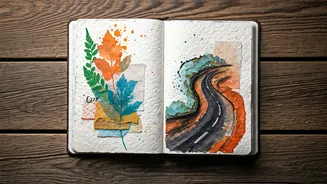
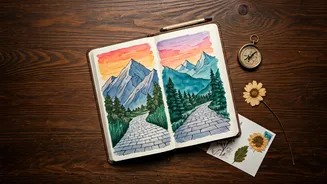
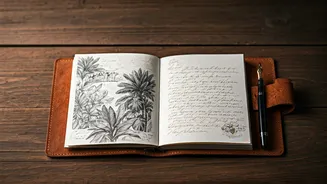
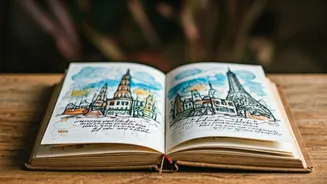
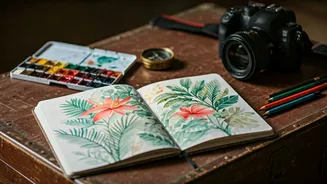
Forget the simple, text-heavy logbooks of the past. Today’s travel art journal is a vibrant, multimedia chronicle of a journey. It’s a sketchbook, a scrapbook, and a diary all rolled into one. Inside, you’ll find quick pencil sketches of a bustling café,
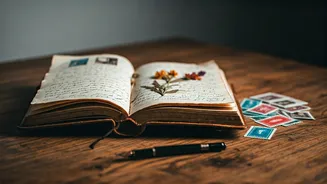
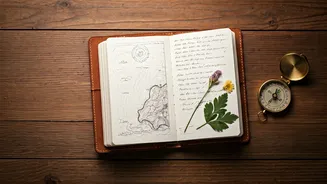
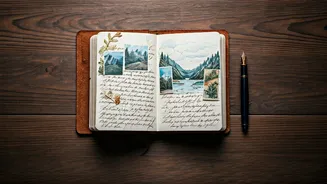
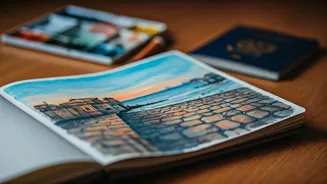
a watercolor wash of a sunset over the coast, a ticket stub from a memorable train ride, a pressed flower from a mountain hike, or a hastily jotted-down conversation overheard at a local market. It’s less about recording a perfect itinerary and more about capturing the feeling of a place. The goal isn’t to create a masterpiece worthy of a gallery but to create a document that feels intensely personal. This shift redefines the travel souvenir, transforming it from a mass-produced trinket into a one-of-a-kind artifact created by the traveler themselves.
From Collecting to Connecting
The rise of the art journal reflects a deeper change in travel philosophy. The old model, symbolized by the passport stamp, was about accumulation—collecting countries, checking off bucket-list sights, and proving where you’ve been. It was often a passive, consumerist approach to seeing the world. In contrast, art journaling is an act of active engagement. It’s about slowing down and truly connecting with your surroundings. In an age of fleeting Instagram stories and perfectly filtered photos, the art journal offers something tangible and lasting. It’s a quiet rebellion against performative, fast-paced travel, favoring deep experience over a broad but shallow itinerary. A passport proves you were there; an art journal begins to explain what it was like to be you, in that place, at that moment.
The Power of Paying Attention
The true magic of art journaling lies in the process, not just the final product. To sketch a building, you must notice its architectural details. To paint a landscape, you must observe how the light falls. To collage materials from a city, you must interact with its textures and ephemera. This act of focused observation is a powerful form of mindfulness. It pulls you out of your head and into the present moment, forcing you to see beyond the surface. Travelers who journal this way often report stronger, more vivid memories of their trips. The 15 minutes spent sketching a fountain creates a far more durable memory than the 15 seconds spent snapping a photo before moving on. It transforms travel from a blur of motion into a series of distinct, sensory-rich moments.
How to Start Your Own
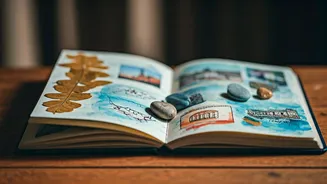
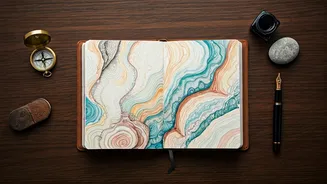
The best part about this trend is its accessibility. You don’t need to be a trained artist to start. The barrier to entry is wonderfully low. Begin with a small, sturdy sketchbook that can handle a bit of wear and tear. Add a good pen, a simple set of colored pencils, or a compact watercolor palette. A glue stick is essential for incorporating ephemera like postcards, labels, and receipts. The key is to let go of perfectionism. Your journal is for you. Make a swatch of the color of the sea. Draw a map of your walk. Glue in a sugar packet from your favorite coffee shop. Write down a single word that captures the day. The page is a playground, not a test. It’s about the joy of creation and the act of remembering, one imperfect, beautiful mark at a time.