





A New Kind of Urban Family
For generations, pet ownership in India often meant a guard dog for the yard or a semi-feral cat that came and went. Today, a seismic cultural shift is underway, particularly among the nation’s growing urban middle and upper classes. Millennials and Gen
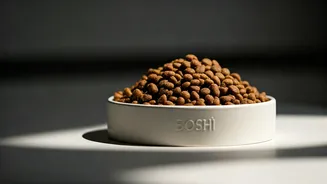
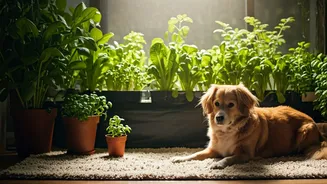
Z, often living in nuclear families far from their ancestral homes, are embracing pets not as animals, but as 'fur babies'—integral members of the family who sleep in their beds, feature in their social media, and receive the best care money can buy. This new form of companionship is reshaping priorities. Just as parents obsess over organic food for their children, these 'pet parents' are applying the same discerning standards to their four-legged dependents, fueling a multi-billion dollar pet care industry.
The Search for Green in a Concrete World
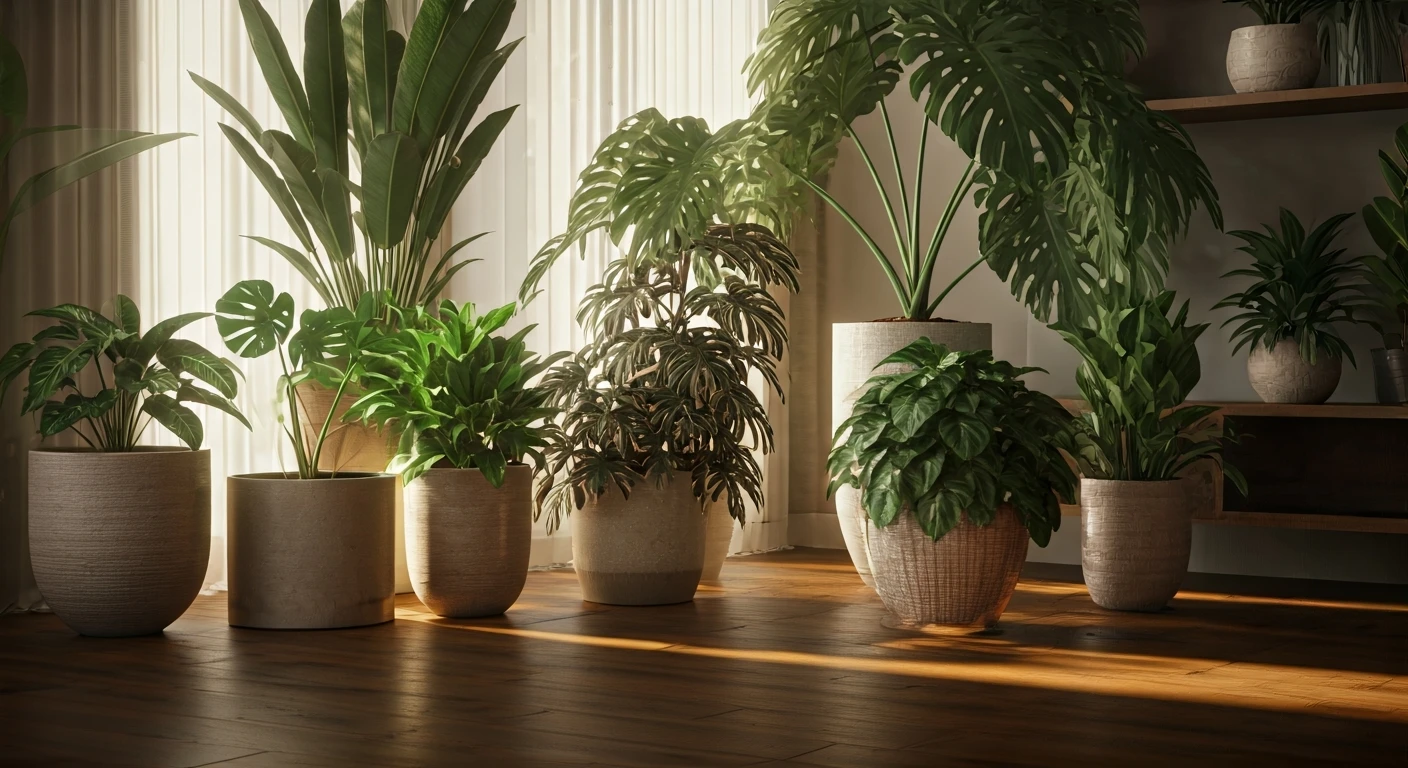
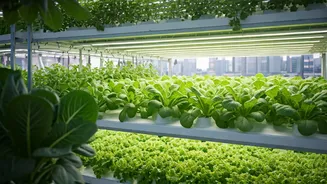
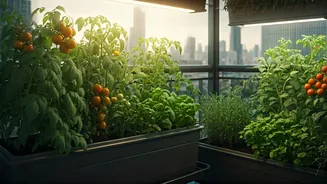
Life in a major Indian metropolis is a study in contrasts: incredible energy and opportunity coexist with pollution, noise, and a profound lack of green space. In response, urban farming has blossomed from a niche hobby into a mainstream movement. Spurred by concerns over pesticide-laden produce and a desire to reconnect with nature, city dwellers are transforming tiny balconies, terraces, and windowsills into verdant micro-farms. They’re using vertical planters, hydroponic systems, and traditional pots to grow everything from herbs and salad greens to tomatoes and chilies. This isn't just about food; it's a therapeutic act of cultivation, a way to reclaim a patch of green and exert control over one’s environment in an otherwise chaotic setting.
Where Wellness for Pets and People Meet
The convergence of these two trends—humanized pets and urban gardening—is where the magic happens. As Indian pet parents become more educated about animal nutrition and wellness, they’re growing skeptical of mass-produced pet foods and treats. They read ingredient labels with suspicion, looking for fillers, artificial additives, and potential allergens. The solution for many is simple and sits right on their balcony. Urban farming provides a direct, trustworthy source of fresh, organic supplements for their pets' diets. It’s the ultimate expression of care: personally cultivating nutrient-rich foods to enhance the health and longevity of a beloved companion.
What’s Growing in the Pet-Friendly Garden?
This isn't about replacing commercial kibble entirely. Instead, it’s about supplementation and enrichment. A typical Indian pet parent’s garden might include a pot of mint or parsley, known to aid digestion and freshen a dog's breath. They might cultivate a patch of wheatgrass or barley grass, which provides cats and dogs with essential vitamins and fiber. For cats, a pot of catnip or cat grass is non-negotiable. Some ambitious gardeners grow carrots, pumpkins, and green beans—vegetables that can be steamed and mixed into a pet’s meal for an added boost of vitamins and texture. It's also about safety. By growing their own, owners ensure these greens are free from toxic pesticides and other contaminants found in public parks or on roadsides, where a pet might otherwise be tempted to graze.
More Than a Trend, It’s a Statement
Ultimately, the rise of urban farming for pets in India is less a single 'trend' and more a powerful symbol of modern urban life. It reflects a global movement toward wellness, sustainability, and mindful consumption, adapted to the unique realities of Indian cities. For these pet parents, tending to a small garden is an act of love that serves multiple purposes. It provides a mental escape for the human, a healthy supplement for the pet, and a shared activity that strengthens their bond. It’s a small-scale, deeply personal solution to the big-scale challenges of city living, proving that even on a tiny balcony, one can cultivate a world of care.