







Not an Oil, But a Liquid Wax
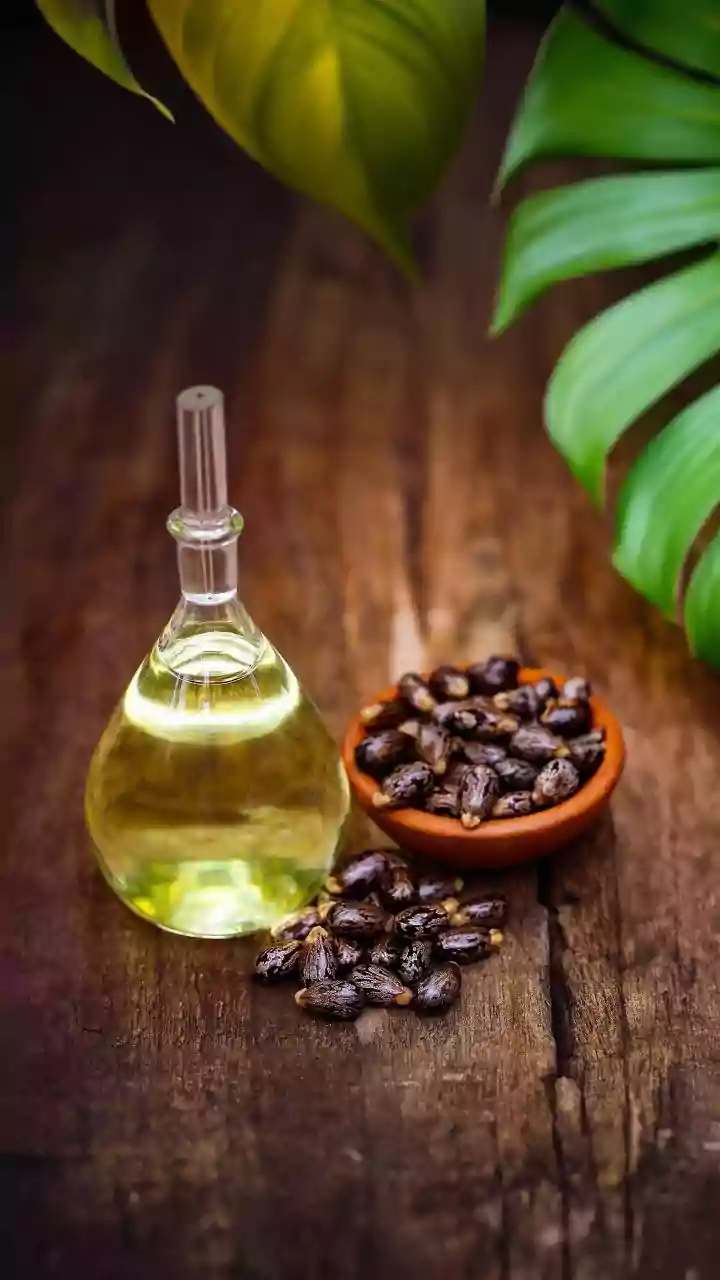
Let’s clear up a common misconception first. While we call it an 'oil,' jojoba is technically a liquid wax ester extracted from the seeds of the Simmondsia chinensis shrub, a plant native to the deserts of Arizona, California, and Mexico. This distinction
is more than just a science-class factoid; it’s the key to its magic. Unlike true oils like coconut or olive oil, which are composed of triglycerides, the molecular structure of jojoba wax is remarkably similar to something our own bodies produce: sebum.
The Sebum Secret Weapon
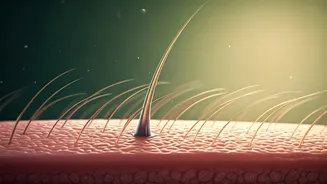
Sebum is the natural, waxy oil produced by our skin and scalp. Its job is to moisturize, protect, and create a barrier against the elements. When your scalp produces too much, your hair gets greasy. Too little, and you're left with a dry, itchy scalp and brittle strands. Jojoba oil’s near-identical structure allows it to mimic and supplement your natural sebum. This means your scalp essentially recognizes it. If your scalp is overproducing oil, jojoba can help signal that it has enough, potentially balancing out greasiness. If it's dry, jojoba provides gentle, non-greasy moisture that’s readily absorbed.
Deep Moisture for Hair and Scalp
Because it’s so light and similar to our natural oils, jojoba is a superior moisturizer for both the scalp and the hair shaft. It can penetrate the hair cuticle to deliver hydration from within, rather than just coating the surface. This helps repair damage from heat and styling, reduce frizz, and add a natural-looking shine. For the scalp, it provides relief from dryness and flakiness without clogging pores, which is a common issue with heavier oils. This makes it an excellent choice for people prone to scalp acne or sensitivity.
How to Add Jojoba to Your Routine
Integrating jojoba oil is simple and versatile. Here are a few easy ways to start: 1. Scalp Treatment: Before showering, massage a few drops directly into your scalp. Let it sit for 20-30 minutes to help dissolve sebum buildup and soothe dryness before shampooing as normal. 2. Conditioner Boost: Add a few drops to your favorite conditioner in your palm, mix, and apply. This will give your regular product an extra dose of moisturizing power. 3. Leave-In Frizz Tamer: After washing, rub one or two drops between your palms and lightly scrunch or smooth it onto the ends of your damp hair. It will help seal moisture and combat frizz as your hair dries. 4. Finishing Shine Oil: Once your hair is dry and styled, use a single drop, warmed between your palms, to lightly tame flyaways and add a final touch of shine without weighing your hair down.
What to Look For When Buying
Not all jojoba oil is created equal. To get the maximum benefits, you want a product that is as pure as possible. Look for bottles that are labeled “100% pure,” “cold-pressed,” and “unrefined.” Cold-pressing ensures that the delicate nutrients and molecular structure of the wax are not destroyed by heat during the extraction process. Organic is a plus, as it ensures the plant was grown without synthetic pesticides. The oil should have a clear, golden-yellow color and a mild, slightly nutty scent. Avoid products with added fragrances, preservatives, or other carrier oils if you’re looking for pure scalp and hair benefits.