







A Green Jewel in the Desert
Mount Abu is an anomaly. As the only hill station in Rajasthan, it sits perched in the Aravalli Range, a plateau of granite rock that rises dramatically from the surrounding plains. For most of the year, it’s a pleasant retreat from the desert heat. But
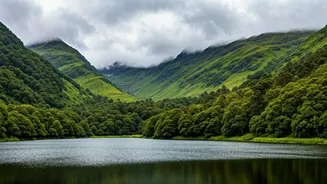
when the monsoon clouds roll in from June to September, the area undergoes a magical transformation. The dry, dusty landscape gives way to rolling green hills, dense fog blankets the valleys, and the air becomes crisp and cool. For travelers accustomed to the golden hues of Jaipur or Jaisalmer, seeing Rajasthan draped in such vibrant emerald is a revelation. It’s this stark contrast that makes Mount Abu during the rainy season feel less like a tourist spot and more like a well-guarded secret.
Nakki Lake Shrouded in Mist
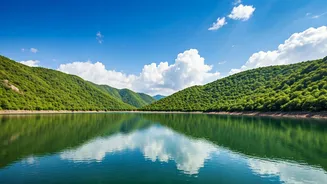
The heart of Mount Abu is Nakki Lake, a serene body of water steeped in local legend. During the monsoon, it becomes something ethereal. A thick, cinematic mist often hangs low over the water, obscuring the surrounding hills and giving boat rides a dreamlike quality. The typical tourist buzz quiets down, replaced by the gentle patter of rain and the quiet hum of nature. Strolling along the pathway that circles the lake, you can watch the fog drift in and out, revealing and then concealing the iconic Toad Rock formation. It’s the perfect place to grab a hot cup of masala chai from a local vendor and simply watch the landscape breathe. The experience is meditative and deeply atmospheric, a world away from the high-energy tourism of the dry season.
Where Temples Meet Waterfalls
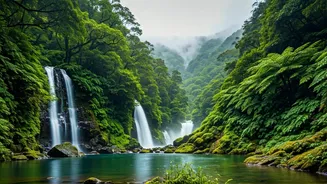
The rain doesn’t just beautify the landscape; it brings the region’s spiritual and natural sites to life. The Dilwara Temples, a complex of five Jain temples carved from brilliant white marble, are a must-see in any season. But visiting them when it’s raining outside adds a layer of tranquility. The sound of rain on the ancient roofs provides a soothing soundtrack as you marvel at the impossibly intricate carvings depicting mythological scenes. Beyond the temples, the monsoon awakens seasonal waterfalls that cascade down the rocky hillsides. Spots like the Doodh Baori (“milk well”) or the Gaumukh Temple’s spring become particularly vibrant, with fresh water streams gushing through lush foliage. These sites, enhanced by the rain, offer a unique blend of cultural pilgrimage and natural wonder.
The View from the Clouds
For a breathtaking perspective, a trip to Guru Shikhar is essential. As the highest point in the Aravalli Range, it offers panoramic views that, during the monsoon, are anything but clear. And that’s the point. Instead of seeing for miles, you’ll often find yourself standing literally inside a cloud. The drive up is an adventure in itself, with winding roads cutting through thick fog. At the summit, home to a small temple dedicated to Guru Dattatreya, the world below disappears into a sea of white. On a good day, the clouds part for a few minutes, revealing dramatic glimpses of the green valleys below before swallowing the view once more. It’s a humbling, almost mystical experience that perfectly captures the essence of a monsoon in the mountains.
Monsoon Comforts and Local Flavors
A trip to Mount Abu in the rain is also a treat for the senses, especially the taste buds. The cool, damp weather creates the perfect excuse to indulge in local comfort foods. All over town, you’ll find vendors roasting bhutta (corn on the cob) over hot coals, rubbing the kernels with salt, chili, and lime—a classic Indian monsoon snack. It’s the ideal companion for a walk around Nakki Lake. Cozy cafes offer a refuge from a sudden downpour, serving everything from hot coffee to savory pakoras (fried vegetable fritters). Indulging in these simple, warm treats while wrapped in the cool, misty air is a core part of the Mount Abu monsoon experience, grounding your visit in delicious local tradition.