


Beyond Simple Hydration
First, let’s get the definition straight. A “functional drink” is essentially any beverage marketed with ingredients that claim to provide a health benefit beyond basic nutrition or hydration. This isn't your parents' Gatorade or a high-octane energy
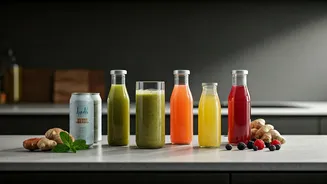
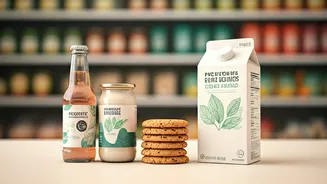
drink loaded with synthetic caffeine and sugar. Today’s functional beverages are a different breed, often touting sophisticated ingredients like adaptogens (herbs like ashwagandha said to help the body manage stress), nootropics (compounds like L-theanine intended to boost cognitive function), and probiotics for gut health. Brands like Olipop, Poppi, Kin Euphorics, and Recess have built empires on this premise. They offer everything from prebiotic sodas that taste like classic cola to sparkling waters infused with hemp and ginseng, all designed to deliver a specific feeling or benefit—be it 'calm,' 'focus,' or 'social energy.' They are the liquid embodiment of a desire to optimize our daily lives, one sip at a time.
The Promise of 'Easy Wellness'
A huge part of the appeal lies in the sheer convenience. In a world where we’re constantly told to eat cleaner, sleep more, and manage our stress better, the idea of achieving a wellness goal by simply cracking open a can is incredibly seductive. It bypasses the effort of brewing specialty teas, remembering to take a handful of supplements, or dedicating time to a lengthy meditation session. Instead, wellness becomes a grab-and-go affair. This taps directly into a modern psychological need for control and efficiency. When life feels chaotic, having a small, tangible way to 'improve' yourself feels empowering. The drink acts as a simple tool for self-regulation. Feeling stressed before a meeting? Grab a can that promises calm. Hitting an afternoon slump? There’s a drink designed for clean energy. This approach makes wellness feel less like a chore and more like an effortless upgrade to your daily routine.
Dressed for the Instagram Feed
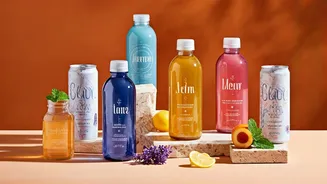
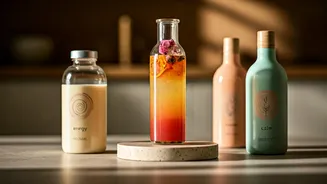
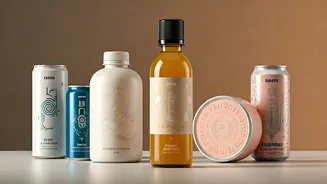
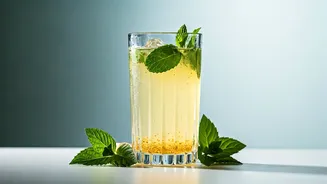
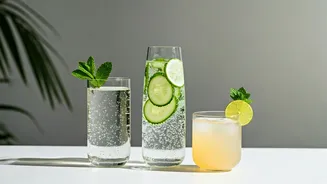
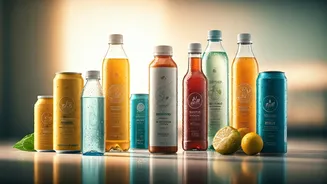
It’s impossible to separate the rise of functional drinks from their visual appeal. This is where the “shareable” component comes in. These products are meticulously designed to be beautiful. With their minimalist fonts, soft-focus gradients, and dreamy color palettes, the cans are as much an aesthetic accessory as they are a beverage. Holding one is a signal. It says, 'I’m invested in my well-being, and I have good taste.' In the age of social media, where personal identity is often curated and performed online, a can of beautifully branded sparkling water becomes a prop in the story of your life. It’s a low-lift way to participate in the broader wellness culture, turning a personal health choice into a public statement. This aesthetic-forward approach has been a key driver of their viral success, creating a feedback loop where consumers essentially become brand ambassadors every time they post a picture.
A Symptom of Modern Culture
Ultimately, the functional drink trend is a perfect reflection of our times. It sits at the crossroads of several major cultural shifts. Firstly, there’s the booming wellness industry, which has repositioned health as a primary lifestyle aspiration. Secondly, it caters to the growing “sober curious” movement. For those looking to drink less alcohol but still want a sophisticated, interesting beverage in a social setting, a complex-tasting 'euphoric' or adaptogenic drink is the perfect substitute. It provides the ritual of having a special drink without the hangover. Finally, it speaks to our desire for quick, easy solutions in an increasingly complex world. While no single drink can solve systemic stress or burnout, it can provide a moment of perceived control and self-care, packaged in a way that feels both modern and delightful.