







Meet the Power Couple: Almond and Ragi
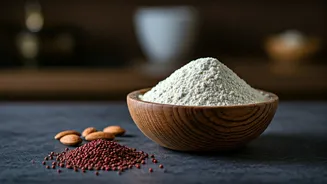
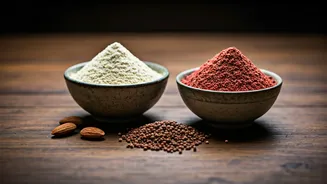
First, let's get acquainted. You likely already know almond flour. It’s the reliable, popular star of the gluten-free world, loved for its high protein, healthy fats, and moist texture in baked goods. It’s the go-to for everything from macarons to paleo-friendly
pancakes. The newcomer for many Americans is ragi, also known as finger millet. This ancient grain, a staple in parts of Africa and Asia for centuries, is a nutritional powerhouse. Naturally gluten-free, ragi is packed with calcium, iron, and fiber. On its own, it has a distinct, nutty, and slightly earthy flavor. While it’s incredibly healthy, ragi flour by itself can sometimes result in dense, heavy baked goods—a common challenge with many alternative flours.
The 'Why' Behind the Blend
So why are these two suddenly being mixed together? It’s a response to a major shift in what we want from our food. The modern baker, whether a professional or a home enthusiast, is often looking for more than just a sweet treat. There’s a growing demand for food that is both delicious and functional. This trend is driven by several factors. First, the ever-expanding gluten-free market is maturing. Consumers are no longer satisfied with gritty, flavorless options; they want texture and taste that rival traditional baked goods. Second, the wellness movement has put a premium on nutrient density. We’re not just avoiding 'bad' ingredients; we’re actively seeking 'good' ones. A cookie made with ragi and almond flour isn't just a cookie—it's a source of protein, fiber, and minerals. Finally, there's a growing culinary curiosity, a desire to explore new flavors and ingredients from around the world.
The Science of a Perfect Partnership
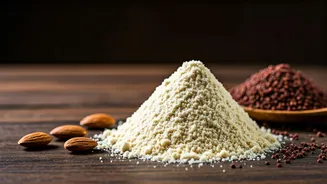
This isn’t just a random pairing; it’s a brilliant bit of baking science. Almond and ragi flours complement each other perfectly, solving the problems each can present on its own. Almond flour, with its high fat content, brings moisture, richness, and a delicate crumb. It helps create a tender texture that can be difficult to achieve in gluten-free baking. However, it can be heavy and expensive. That's where ragi comes in. Ragi flour provides structure and a more 'traditional' grainy texture, preventing the final product from being overly dense or oily. Its earthy flavor adds a complexity that balances the sweetness of many recipes. The blend leverages almond flour’s richness to soften ragi’s rustic character, while ragi’s nutritional profile and structure elevate the almond flour. The result is a baked good that is moist, flavorful, structurally sound, and nutritionally superior.
From Niche Blogs to Bakery Shelves
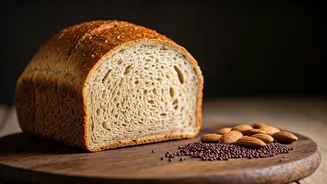
While 'dominating' might sound strong, the influence of this blend is undeniable in health-focused food circles. A decade ago, you’d only find ragi in specialty Indian grocery stores. Today, you’re seeing it pop up in pancake mixes from wellness brands, in muffin recipes on popular food blogs, and on the menu at artisanal bakeries catering to a health-conscious clientele. Bakers are using the almond-ragi combination for everything from chocolate chip cookies and brownies to savory breads and even pizza crusts. It provides a beautiful, rustic color and a satisfyingly complex taste that stands on its own. It's a sign that bakers are moving beyond simply replacing wheat flour and are instead creating new, exciting recipes built around the unique properties of these powerful ingredients.