





From 'Off-Season' to Main Attraction
Conventional wisdom tells us to avoid a destination’s 'off-season,' that dreaded period of unpredictable weather that can supposedly ruin a well-planned getaway. For many tropical and subtropical locations, this means the monsoon or rainy season. But
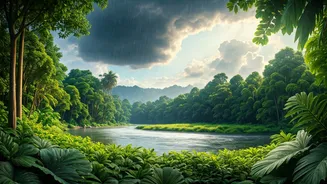
what if the 'bad' weather was actually the main event? Welcome to the world of monsoon travel, a philosophy that embraces the drama and beauty of the wet season. Instead of seeing rain as an obstacle, this trend reframes it as an immersive experience. It's about trading crowded beaches for lush, green landscapes, the roar of jet skis for the rhythmic sound of rainfall, and peak-season prices for off-season serenity. This isn't about toughing it out in a downpour; it's about choosing destinations that come alive with the rain, offering a completely different, and often more profound, character than they do in the dry, sunny months.
The Practical Perks of a Downpour
The romance of a rain-swept vista is compelling, but the practical benefits are just as attractive. Traveling during the so-called 'green season' is, first and foremost, a budget-friendly move. With lower demand, airlines and hotels often slash their prices, making luxury stays more accessible and stretching your travel dollar further. Fewer tourists also mean more space. Imagine having a world-famous temple, a national park trail, or a scenic viewpoint almost to yourself. This allows for a more intimate and authentic connection with a place, free from the jostling crowds and long lines that define peak season. For locals, your visit during the quieter months provides a more stable, year-round income, making your trip a more sustainable choice for the community you’re visiting. It’s a win for your wallet, your sanity, and the local economy.
A Symphony for the Senses
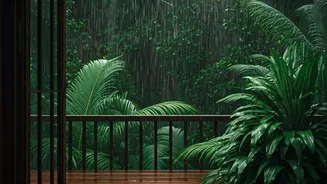
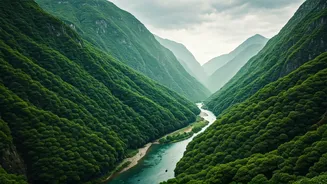
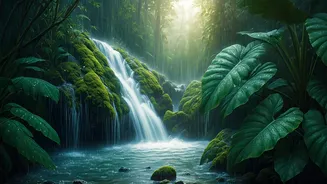
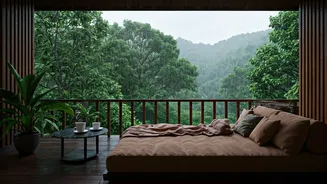
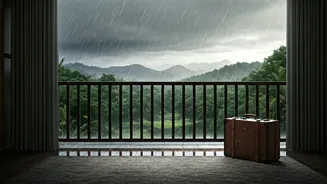
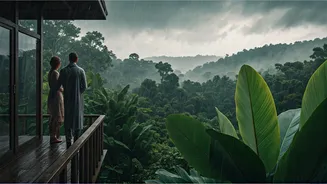
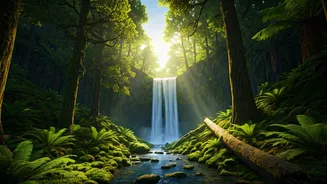
Beyond the practicalities, monsoon travel is a feast for the senses. Landscapes are transformed. Parched, dusty terrain erupts into a riot of impossible greens. Waterfalls, once mere trickles, become thunderous torrents. The air itself feels different—cleaner, charged with energy, and filled with the unique, earthy scent of petrichor (the smell of rain on dry soil). There's a distinct coziness to it all. Picture yourself curled up with a book and a hot drink in a Costa Rican eco-lodge, watching a tropical storm roll in over the rainforest canopy. Or enjoying a cup of chai on a veranda in Kerala, India, as the monsoon breathes life into the tea plantations around you. The dramatic, cloud-heavy skies create a soft, diffused light beloved by photographers, making every scene feel painterly and moody. It’s an experience that engages you completely, turning the weather from a background detail into a central part of the adventure.
Where to Chase the Storm
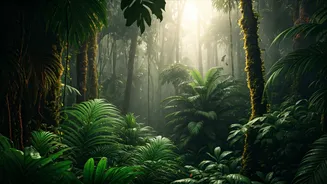
This trend is taking hold in destinations around the globe. In Southeast Asia, places like Thailand's northern city of Chiang Mai become particularly verdant and tranquil during the summer wet season. While the southern islands can be a washout, the north offers misty mountains and vibrant rice paddies. In Central America, Costa Rica brilliantly rebranded its rainy season as the 'green season,' attracting visitors who want to see the rainforests at their most vibrant and wildlife at its most active. But you don't have to fly halfway around the world. The Pacific Northwest offers a domestic version of this experience. The temperate rainforests of Washington’s Olympic National Park or the dramatic coastline of Oregon are arguably at their most atmospheric when shrouded in mist and drizzle. The key is to pick a place where the infrastructure is prepared for rain and the scenery is enhanced by it, not defeated.