




The Science Behind the Crash
That lethargic, foggy feeling that hits mid-afternoon is often the result of a blood sugar rollercoaster. When you eat simple carbs or sugary foods on an empty stomach—like a sweet iced coffee or a pastry—your blood sugar spikes, giving you a quick burst
of energy. But just as quickly, it crashes, leaving you feeling drained, irritable, and craving more sugar. Summer exacerbates this cycle. Longer days, disrupted routines, and increased physical activity can throw off meal times, making you more likely to grab whatever is quick and convenient. Heat also plays a role, as your body expends extra energy to stay cool, which can contribute to fatigue if your internal fuel tank is running low.
Anchor Your Day with Protein and Fiber
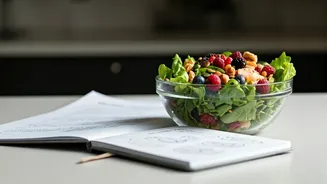
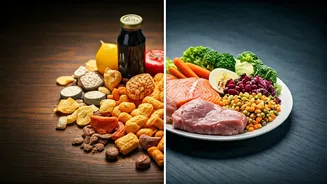
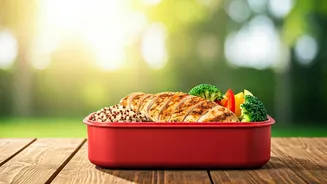
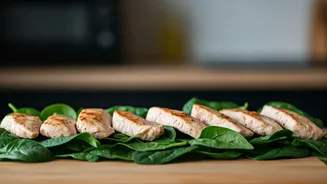
The key to preventing these crashes is building meals that release energy slowly and steadily. The two most important tools for this are protein and fiber. Protein (found in eggs, Greek yogurt, chicken, fish, beans, and lentils) slows down digestion and helps you feel full and satisfied. Fiber (abundant in whole grains, fruits, vegetables, and nuts) helps manage how your body absorbs sugar, preventing those dramatic spikes and dips. Instead of a simple bagel for breakfast, try two eggs with a slice of whole-wheat toast and avocado. For lunch, a salad with grilled chicken and chickpeas will provide far more staying power than a slice of pizza. These balanced meals act as anchors, keeping your energy levels stable for hours.
Rethink Your Snack Strategy
Snacking isn't the enemy—unplanned, low-nutrient snacking is. A well-timed snack can be a crucial bridge between meals, preventing you from becoming ravenously hungry and overeating later. The goal is to treat snacks like mini-meals. They should contain a mix of protein, healthy fats, or fiber. Forget the chips and candy. Instead, reach for an apple with peanut butter, a handful of almonds, a small container of cottage cheese with berries, or veggie sticks with hummus. These options provide sustained energy without the subsequent crash. Planning your snacks ahead of time, especially on busy beach or pool days, ensures you have a smart choice ready when hunger strikes.
Hydration Is Half the Battle
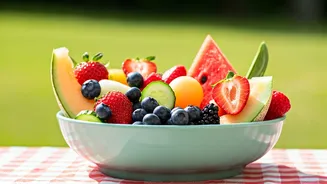
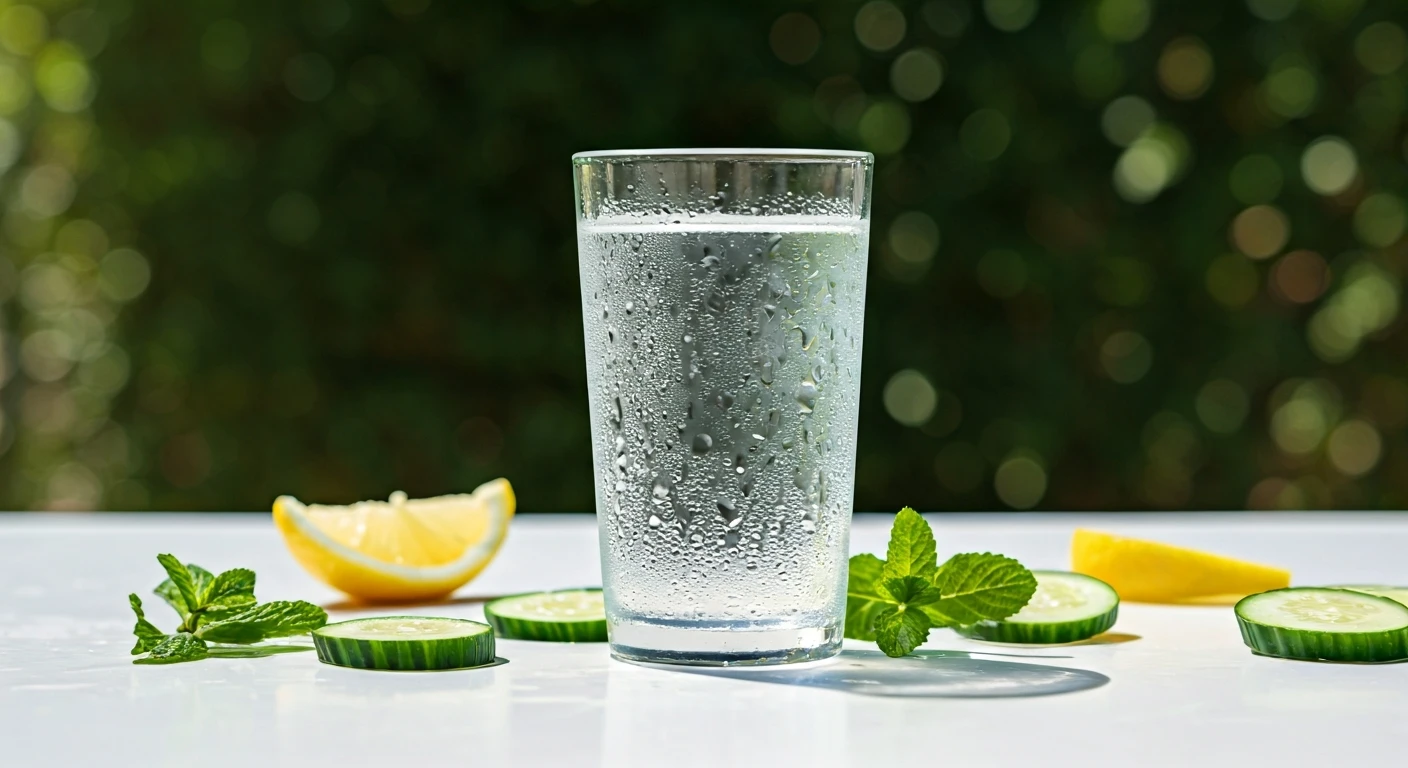
Mild dehydration is often mistaken for hunger or fatigue. Before you even feel thirsty, your body's energy levels can take a nosedive. In the summer heat, you lose fluids more rapidly through sweat, making consistent hydration essential. While water is always the best choice, you can also hydrate with food. Water-rich foods like cucumber, watermelon, celery, and strawberries contribute to your daily fluid intake while also providing vitamins and fiber. Try starting your day with a large glass of water and keeping a reusable bottle with you at all times. If you find plain water boring, infuse it with lemon, mint, or berries. Avoiding sugary sodas and juices is also key, as they can contribute to the blood sugar rollercoaster you’re trying to avoid.
Don't Underestimate a Routine
One of the best parts of summer is the freedom from rigid schedules, but our bodies thrive on a certain level of predictability. Eating your meals at roughly the same time each day helps regulate your metabolism and internal clock (circadian rhythm), which in turn helps manage energy levels. This doesn't mean you need a militant schedule. Simply aiming for breakfast within an hour or two of waking, a midday lunch, and an evening dinner creates a reliable rhythm. This consistency trains your body to anticipate fuel, making your digestive and metabolic processes more efficient. Even on lazy vacation days, establishing a loose framework for meals can make all the difference between feeling vibrant and feeling completely wiped out by 3 p.m.