







More Than Just Counting Steps
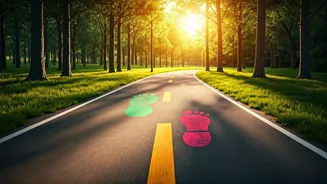
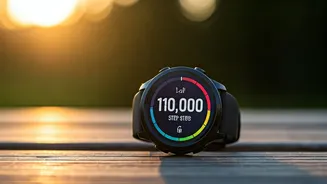
At its core, a walking challenge seems simple: walk a certain number of steps or miles over a set period. But their booming popularity isn't just about hitting a number on a fitness tracker. The real magic lies in three key elements: community, gamification,
and accessibility. Unlike training for a marathon or committing to a CrossFit gym, walking is something most people can do without special equipment or training. Challenges add a layer of structure and motivation to this basic activity. They create a shared goal, turning a solitary habit into a collective journey. Whether you're competing against other departments at work or collaborating with friends to reach a virtual destination, that sense of connection provides accountability and makes the process far more engaging than simply trying to walk more on your own.
The Post-Pandemic Stride
The rise of walking challenges isn't a coincidence; it's a direct response to our changing lifestyles. The pandemic shifted millions to remote or hybrid work, dissolving the natural activity of a daily commute. This sedentary shift created a huge demand for simple, home-based fitness solutions. Walking challenges filled that void perfectly. They offer a reason to get up from the desk, explore the neighborhood, and de-stress during the workday. Furthermore, as people sought new ways to connect with colleagues and friends from a distance, virtual challenges provided a healthy, positive outlet. The focus on outdoor activity also tapped into a collective desire to spend more time in nature for mental health benefits, a trend that has only grown stronger.
Finding the Right Challenge for You
The beauty of the walking challenge trend is its versatility. There isn't a one-size-fits-all model, so you can easily find one that suits your personality and goals. Workplace challenges are incredibly common, often organized by HR departments with team-based leaderboards and small prizes to foster friendly competition. If you're more self-motivated, numerous apps like Strava, Pacer, and Charity Miles offer solo challenges where you can work toward personal goals or raise money for a cause. For those who thrive on social motivation, you can easily start a private challenge with a group of friends using a shared spreadsheet or a dedicated app, setting your own rules and rewards. The key is to choose a format that feels fun, not like a chore.
Tips for a Successful First Challenge
Ready to join in? A little preparation goes a long way. First, get the right gear—and it doesn't have to be expensive. The most important investment is a pair of comfortable, supportive walking shoes that fit well. Cotton socks are a blister-in-waiting; opt for moisture-wicking synthetic or wool blends instead. Next, set a realistic goal. If you currently average 3,000 steps a day, aiming for 15,000 overnight is a recipe for burnout. Start with a smaller, achievable target and build from there. Finally, make it easy to stay consistent. 'Habit-stacking' is a powerful technique: tack your walk onto an existing routine, like right after your morning coffee or during your lunch break. And don't let a rainy day derail you. A 20-minute walk on a treadmill, around a mall, or even just pacing in your living room while on a phone call still counts.
Beyond the Physical Payoff
While the physical health benefits of walking—improved cardiovascular health, weight management, stronger bones—are well-documented, participants often find the mental and emotional rewards are even more significant. Completing a daily walk provides a clear, tangible accomplishment, boosting self-esteem and creating a sense of control. The rhythmic nature of walking can be meditative, helping to clear your head and reduce stress. It offers a dedicated time to disconnect from screens, listen to a podcast or music, or simply enjoy the quiet. This combination of physical movement and mental space is a powerful tool for improving overall well-being, making every step a win for both body and mind.