




Beyond Just 'Plant-Based'
For years, the leap to a vegetarian or vegan diet was often associated with a simple act of subtraction: removing meat, poultry, and fish. What remained was sometimes a carb-heavy landscape of pasta, rice, and bread, with vegetables playing a supporting
role. While perfectly fine, this approach left many feeling unsatisfied or concerned about meeting their nutritional needs, especially for protein. Now, a significant shift is underway. Influenced by fitness culture, a greater understanding of macronutrients, and a booming market of innovative products, 'plant-based' is getting a high-protein makeover. This isn't just about ethics or environment anymore; it's about performance, strength, and building a robust diet where plants are the undisputed stars, not just the sidekicks.
Why the Sudden Focus on Protein?
The momentum comes from a convergence of factors. First, the myth that you can't build muscle or be a serious athlete on a plant-based diet has been thoroughly debunked by high-profile athletes and everyday gym-goers. Second, the wellness conversation has moved beyond simple calorie counting to a more nuanced understanding of how macronutrients—protein, fat, and carbs—affect our bodies. Protein is lauded for its ability to promote satiety (keeping you fuller for longer), support muscle repair and growth, and maintain a stable metabolism. As people become more strategic about their health, they're applying the same logic to plant-based eating. They don't just want a veggie burger; they want a veggie burger with 20 grams of protein.
The Building Blocks of a Plant-Protein Pantry
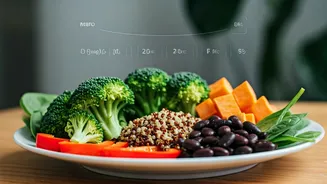
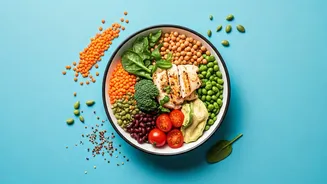
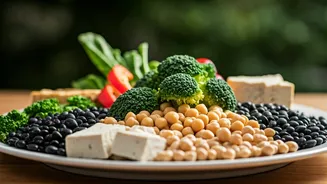
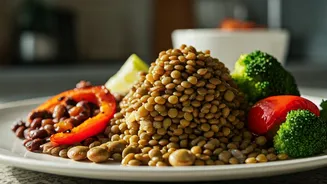
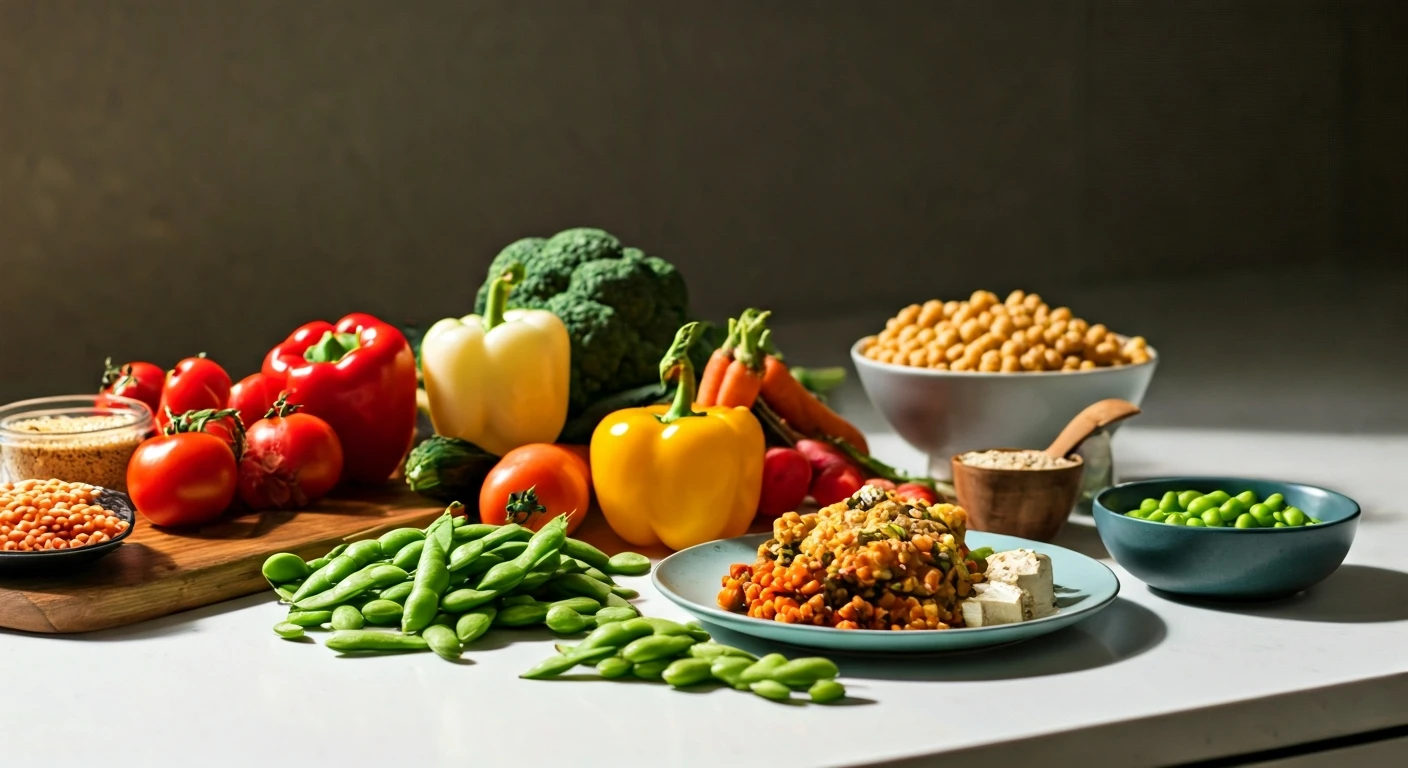
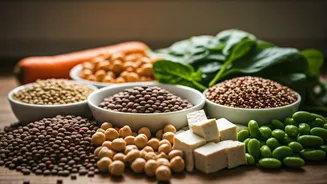
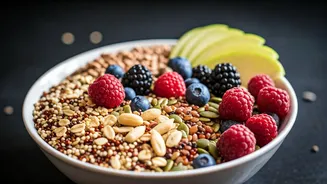
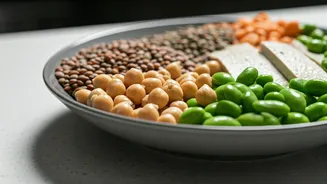
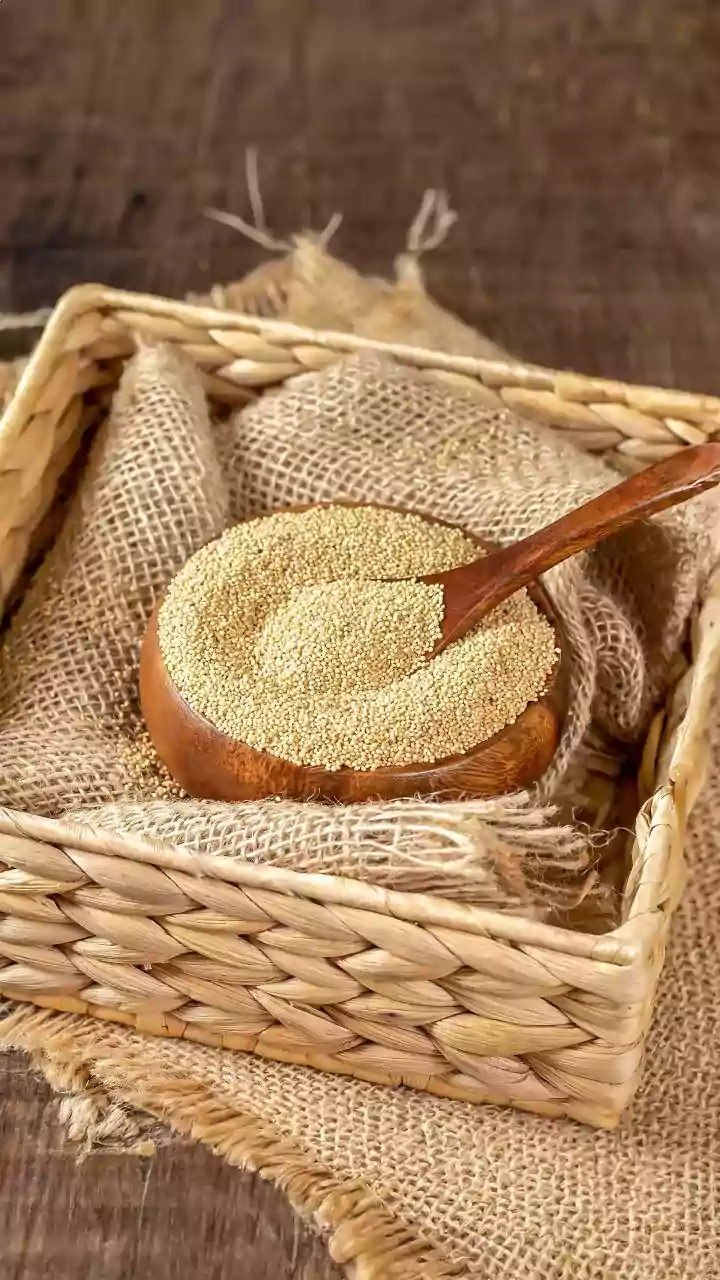
Building a high-protein vegetarian or vegan diet is easier than ever. The key is knowing which foods deliver the most bang for your buck. Legumes are the undisputed champions: lentils, chickpeas, black beans, and edamame are inexpensive, versatile powerhouses. Soy products like tofu and tempeh are next on the list; a single block of firm tofu can contain over 40 grams of protein. Don't forget about nuts and seeds—almonds, peanuts, chia seeds, and hemp seeds are not only rich in protein but also healthy fats. Even grains can contribute significantly, with quinoa and seitan (a wheat-based protein) offering impressive numbers. The modern grocery store also offers a wealth of fortified options, from protein-packed plant milks and yogurts to pastas made from chickpeas or lentils.
A Sample Day of High-Protein Plant Eating
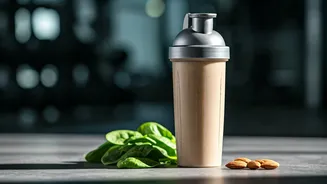
So, what does this look like in practice? It’s less about restriction and more about smart additions. **Breakfast:** A smoothie with plant-based protein powder, a scoop of almond butter, and soy milk. Or, a tofu scramble with turmeric, black salt, and a side of whole-grain toast. **Lunch:** A large salad topped not just with greens, but with a full cup of chickpeas, a sprinkle of hemp seeds, and a tahini-based dressing. Another great option is a bowl of lentil soup with a side of whole-wheat pita. **Dinner:** Seitan stir-fried with broccoli and bell peppers in a peanut sauce, served over quinoa. Or, black bean burgers on whole-wheat buns with a side of sweet potato fries. **Snack:** A handful of almonds, an apple with peanut butter, or a cup of Greek-style plant-based yogurt. Each meal and snack is an opportunity to strategically add a quality protein source.