
Beyond Kitschy Comfort
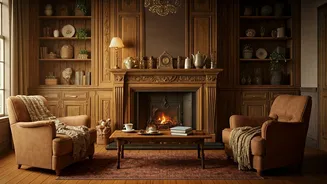
First, let's be clear: this isn't your great-aunt’s dusty, overstuffed living room. Granny Chic 2.0, often called "Grandmillennial" style by design insiders, is a highly intentional and curated evolution. The original wave of Granny Chic celebrated a certain
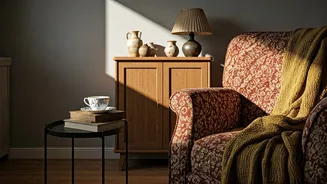
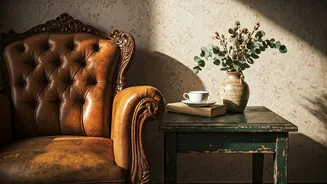
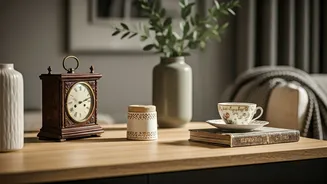
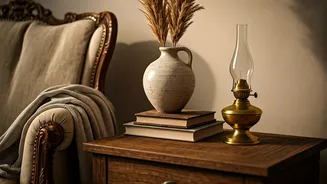
kitschy, nostalgic comfort. Think floral everything, delicate teacups, and perhaps a few too many doilies. The 2.0 version is more sophisticated. It cherry-picks the best parts of traditional design—quality craftsmanship, classic patterns, and items with a soul—and blends them into a fresh, contemporary context. It’s about creating a space that feels layered, personal, and timeless, rather than simply old-fashioned. The goal is to build a room that tells a story, not one that looks like a time capsule. It’s a style that embraces "more" but insists that every piece, from the chintz armchair to the pleated lampshade, earns its place.
The Tapestry as a Narrative Anchor
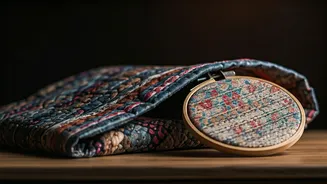
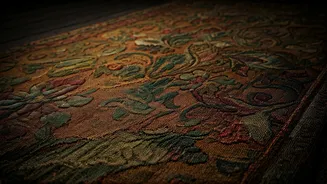
So, where does the tapestry fit in? It's the perfect anchor for the Grandmillennial look. For years, the dominant wall decor was either a single, large piece of abstract art or a meticulously arranged gallery wall of small frames. Both can feel impersonal or formulaic. A tapestry, by contrast, does several things at once. It introduces pattern, color, and—most importantly—texture on a grand scale. Its woven nature softens a room instantly, absorbing sound and adding a layer of warmth that paint or prints cannot replicate. Unlike a painting behind glass, a tapestry is tactile and inviting. It serves as a powerful focal point that grounds the room's other traditional elements, like turned-leg furniture or needlepoint pillows, making them feel like part of a cohesive vision instead of a random assortment of old things.
A Rejection of Digital Sterility
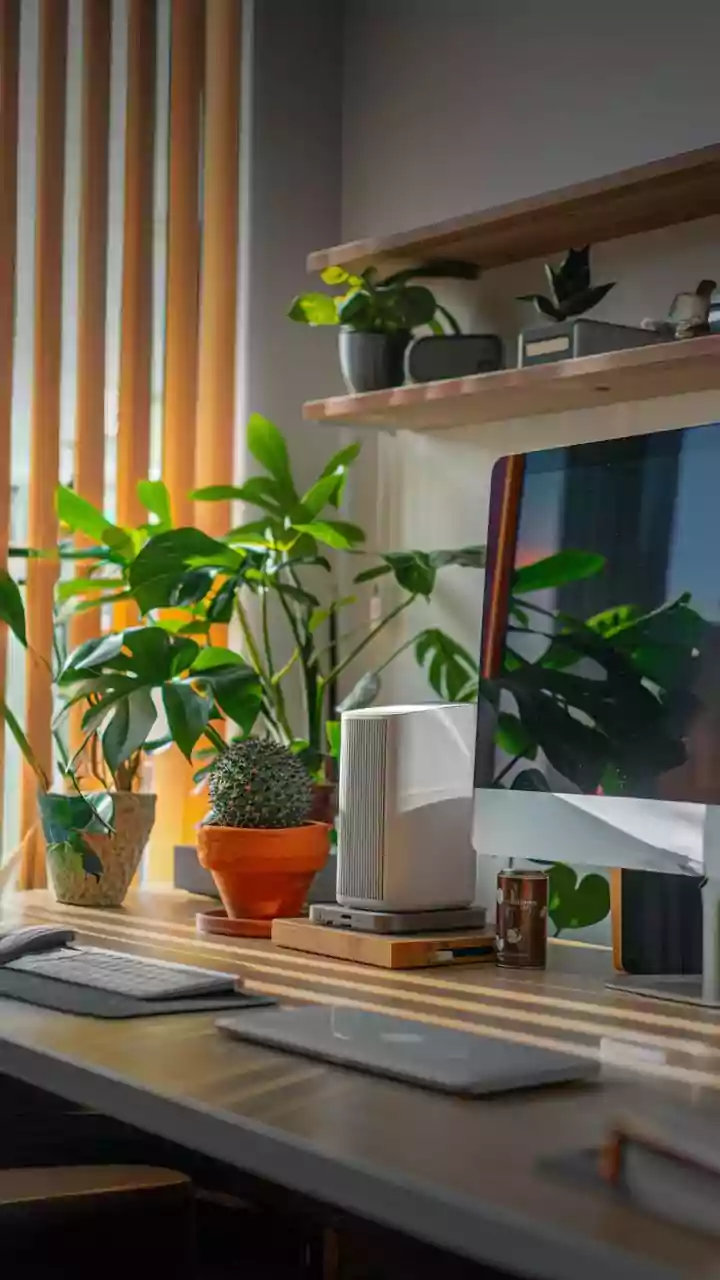
The rise of the tapestry is also a direct reaction to the aesthetic that dominated the 2010s: sterile, tech-bro minimalism. For a decade, the ideal home promoted on social media and in catalogues was a sea of gray, white, and clean lines. It was an aesthetic optimized for screens—uncluttered, geometric, and cold. But after years of living in spaces that looked more like startups than sanctuaries, a collective craving for warmth and authenticity emerged. A tapestry is the antithesis of a sleek digital screen. It’s imperfect, rich with history (real or imagined), and handmade. It represents a connection to a slower, more deliberate form of artistry. In a world of fleeting digital images and mass-produced goods, hanging a large, intricate textile is a comforting act of rebellion, a way of embedding physical substance and human touch back into our daily lives.
Weaving a Personal Story
Ultimately, the appeal of a tapestry in the Granny Chic 2.0 era is its storytelling power. A medieval-style “millefleurs” tapestry might evoke a sense of European history and romance. A more abstract, mid-century modern textile can speak to an appreciation for that design period. Even a brand-new, machine-loomed piece depicting a pastoral landscape tells a story of bucolic escape. It allows you to import a whole world of narrative and atmosphere into a room in a single step. This is crucial for a generation that values self-expression and authenticity. A home is no longer just a place to live; it's an extension of one's identity. A tapestry is a shortcut to character. It suggests you have a rich inner life, an appreciation for history, and a story to tell—even if you just bought it online last week. It transforms a wall from a blank surface into a page from a larger, more interesting tale.