


The Venice of the East Endures
For decades, Udaipur has held a special place in the global imagination. Nestled in the Aravalli Hills of Rajasthan, it’s a city defined by water and stone, romance and royalty. Its most famous moniker, the “Venice of the East,” barely does it justice.
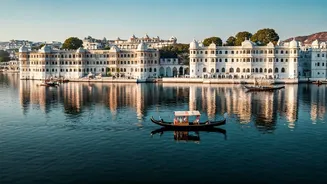
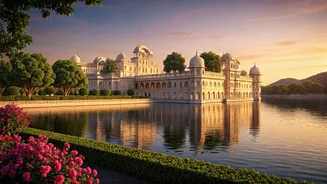
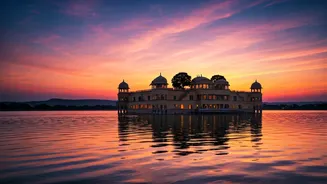
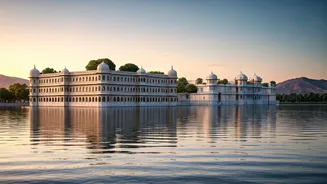
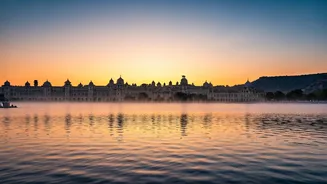
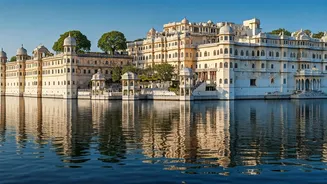
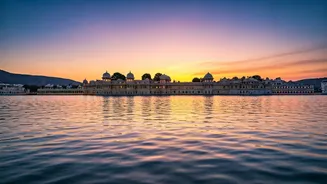
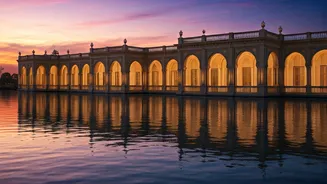
While Venice has canals, Udaipur has a chain of seven man-made lakes, created centuries ago as a brilliant system of water conservation that blossomed into a breathtaking aesthetic. At the heart of it all is Lake Pichola, where the iconic Taj Lake Palace—a former royal summer retreat now operating as a hotel—rises from the water like a marble mirage. On its eastern bank stands the City Palace, a sprawling complex of courtyards, pavilions, and gardens. It’s the largest palace in Rajasthan, a testament to the enduring power of the Mewar dynasty that has ruled here for centuries. This foundational magic—the shimmering lakes, the palatial architecture, and the backdrop of rugged hills—has always been Udaipur’s primary draw.
Living History and Royal Hospitality
What sets Udaipur apart is that its history isn't confined behind museum glass. It’s a living, breathing part of the city’s fabric. The Mewar royal family still resides in a portion of the City Palace, and their legacy of patronage is visible everywhere, from the preservation of historic buildings to the vibrant arts scene. This connection to the past has created a unique brand of hospitality. Many of the city’s most luxurious accommodations are “heritage hotels”—former palaces, forts, and noble homes (havelis) that have been meticulously restored. Staying in one feels less like checking into a hotel and more like being a guest in a grand, historical residence. This experience of stepping back in time, while enjoying modern comforts, is a powerful lure for travelers seeking authenticity over generic luxury. It’s one thing to see a palace; it’s another entirely to sleep in one.
A Modern, Post-Pandemic Renaissance
So why is the world “falling” for Udaipur all over again? The global travel shutdown provided a moment of reset. As international tourism has roared back to life, travelers are emerging with a renewed appetite for meaningful, beautiful, and culturally rich experiences—all things Udaipur delivers in spades. But the city hasn't been frozen in time. A quiet evolution has been underway. Beyond the five-star palace hotels, a new wave of stylish boutique guesthouses has opened in restored havelis, offering intimate and affordable stays within the old city's winding lanes. The culinary scene is also blossoming. While traditional Rajasthani cuisine remains a highlight, a growing number of rooftop cafes and contemporary restaurants are offering global flavors with a stunning lakeside view. This blend of the ancient and the modern makes the city feel fresh and relevant to a new generation of travelers, including those who may have visited before and are discovering new layers to the city.
Beyond the Palace Walls
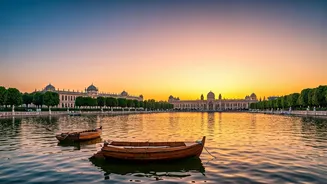
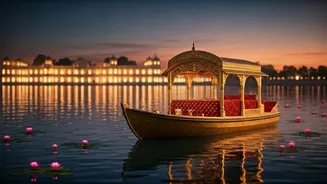
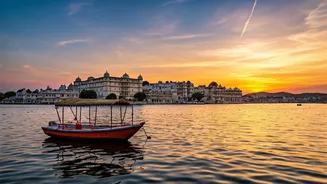
The true enchantment of Udaipur reveals itself when you venture beyond the main attractions. A sunset boat cruise on Lake Pichola is practically mandatory, offering unparalleled views as the city’s lights begin to twinkle. But the real soul of the city is found in its maze-like old quarter. Here, you can wander through bustling bazaars filled with colorful textiles, intricate silver jewelry, and hand-painted miniatures—an art form for which the region is famous. You can stumble upon centuries-old temples, watch locals perform their daily rituals at the ghats (steps leading to the water), and sip chai from a clay cup while taking in the street life. This immersive, sensory experience is what elevates a trip to Udaipur from a simple vacation to a lasting memory. It's the feeling of being part of a story that has been unfolding for centuries, and is now, once again, ready for its close-up.