

The Ultimate Gateway Green
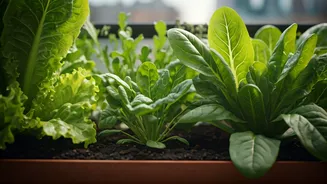
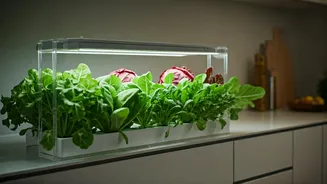
Why lettuce? Why not tomatoes or sprawling zucchini plants? Because lettuce is the perfect entry point for the aspiring urban farmer. It’s forgiving. Many varieties grow quickly, offering the near-instant gratification our brains are now wired to crave.
You can harvest leaves from a single plant for weeks, a process charmingly called “cut-and-come-again.” In as little as 30 days, a handful of seeds in a modest pot can become a tangible, edible success story. This low barrier to entry is crucial. For apartment dwellers with no access to a yard, limited sunlight, and even less experience, the humble lettuce plant offers a win. It doesn’t demand complex trellises or deep soil. It asks only for a bit of water and a patch of sun, delivering a crisp, rewarding crunch in return. It’s a small, manageable project that makes a person feel capable—a feeling often in short supply in modern urban life.
A Small Harvest of Control
This trend isn’t happening in a vacuum. It’s a micro-response to a series of macro-anxieties. In recent years, Americans have been confronted with images of empty grocery store shelves, headlines about E. coli outbreaks in romaine, and ever-rising food prices. The complex, fragile supply chain that brings food to our tables suddenly feels visible—and vulnerable. Growing a small patch of your own food, even if it’s just enough for a few sandwiches, is a quiet act of rebellion against this uncertainty. It’s a way of reclaiming a tiny piece of the food system. Knowing exactly where your greens came from (your own balcony), what was used to grow them (water and sun), and that they are available regardless of shipping delays provides a profound sense of security. It’s not about achieving total self-sufficiency; it’s about the psychological comfort that comes from exercising a small, tangible degree of control in a world that often feels chaotic.
The Antidote to Digital Burnout
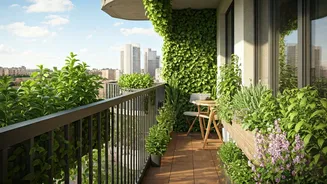
Our lives are lived through screens, our work is often abstract, and our rewards are frequently delayed. The simple, tactile act of gardening offers a powerful antidote. Plunging your hands into soil, tending to a living thing, and watching its daily progress provides a grounding, mindful experience that a dozen meditation apps can only hope to simulate. For many, the balcony garden has become a sanctuary. It’s a reason to step away from the laptop, to spend a few minutes focusing on something real and alive. It connects us to natural rhythms—the cycles of growth, the changing light, the turn of the seasons—even if it’s from 10 stories up. This isn’t just about the end product; it’s about the process. The daily ritual of checking the soil and observing a new leaf unfurl is a form of self-care that nourishes the mind as much as the eventual harvest nourishes the body.
An Aesthetic You Can Eat
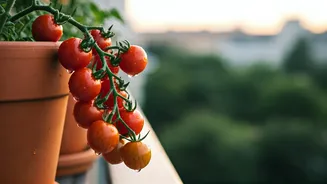
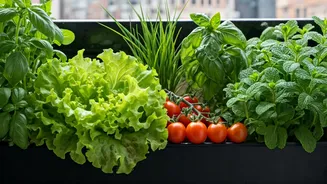
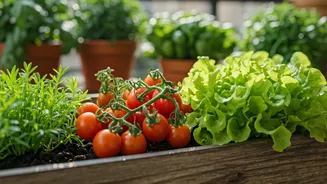
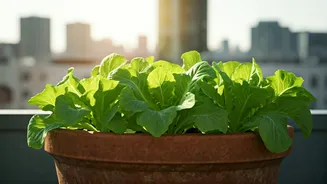
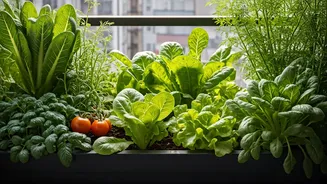
Let’s be honest: it also just looks good. In an era where the “cottagecore” aesthetic celebrates rustic simplicity and a connection to nature, a pot of vibrant, ruffled lettuce on a concrete balcony is a potent visual statement. It signals a set of values: wellness, sustainability, and an appreciation for the homespun. Unlike a purely decorative houseplant, edible plants carry an extra layer of meaning. They are beautiful, yes, but they are also useful. A photo of a sun-dappled pot of arugula isn't just a picture of a plant; it's a picture of a future meal, of health, of capability. It’s a subtle brag that you are the kind of person who cultivates their own food. This aesthetic of practical beauty is perfectly suited for our times, blending the desire for authenticity with the very real need for joy and sustenance.