





From Pilgrimage to Paragliding
For generations, domestic travel in India was largely defined by two things: visiting family and religious pilgrimage. A vacation might mean a train journey to a sacred city or a stay with relatives in another state. While that tradition remains strong,
a powerful new trend is emerging, driven by a burgeoning middle class with disposable income, a hunger for new experiences, and the ever-present influence of social media. The pandemic acted as a powerful accelerant. With international borders closed, Indians turned inward, discovering the staggering diversity of their own country. Suddenly, the “staycation”—not as in staying home, but as in exploring one’s own nation—became the default. And it turned out to be far more exciting than many had imagined. This isn’t just about visiting a different city; it’s about actively seeking thrills. The new Indian traveler wants an experience, a story to tell, and a stunning photo to post.
The Himalayan High Ground
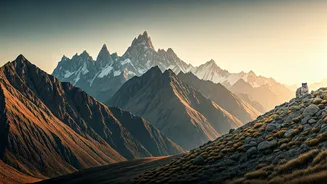
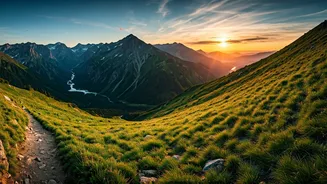
Nowhere is this shift more dramatic than in the Indian Himalayas. States like Himachal Pradesh, Uttarakhand, and the union territory of Ladakh have become epicenters of adventure. The colonial-era hill stations, once sleepy retreats from the summer heat, are now bustling hubs for adrenaline junkies. In Manali, you’ll find travelers gearing up for multi-day treks to high-altitude glacial lakes or renting motorcycles to tackle some of the world’s highest mountain passes. The sleepy town of Bir Billing has become a global hotspot for paragliding, boasting the second-highest launch point on the planet. Further north, in Kashmir's Gulmarg, heli-skiing—once the exclusive domain of international experts—is drawing a growing number of affluent Indian skiers, eager to carve fresh tracks in pristine Himalayan powder. This is a far cry from a quiet cup of tea overlooking the mountains; this is about conquering them.
Coastal Thrills and Jungle Treks
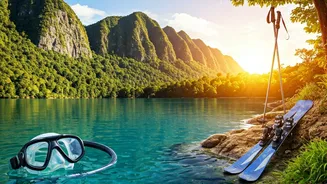
The adventure isn’t just at high altitude. India’s 4,700-mile coastline and dense tropical forests are now prime destinations for different kinds of escapades. The Andaman and Nicobar Islands, a remote archipelago in the Bay of Bengal, are gaining a reputation as a world-class scuba diving destination. Once a niche activity for foreign tourists, diving schools are now packed with domestic travelers earning their PADI certification and exploring vibrant coral reefs that rival those in Southeast Asia. On the mainland, the Western Ghats—a mountain range running parallel to the country’s western coast—offer a lush, green alternative to the stark Himalayas. Here, particularly in states like Kerala and Karnataka, trekking through dense shola forests, staying in eco-lodges, and searching for elusive wildlife have become popular weekend getaways for city dwellers from Bangalore and Mumbai. It’s a complete sensory immersion, swapping urban noise for the sounds of the jungle.
A Sign of a Changing Nation
This boom in adventure travel is more than just a passing fad; it's a telling economic and cultural indicator. It reflects a new confidence and curiosity within India. A generation is choosing to spend its money on experiences over things, and it’s discovering that the world-class adventures it used to see on Instagram are available right in its own backyard. This domestic demand is fueling the creation of new infrastructure, from boutique adventure lodges to professional guide services, creating a self-sustaining tourism ecosystem. For American observers, this trend offers a fascinating glimpse into the aspirations of a modernizing India. It’s a reminder that the country is not a static postcard of ancient monuments but a dynamic, evolving nation where a billion-plus people are redefining what it means to explore, to connect, and to have fun.