



The Geographic Get-Out-of-Jail-Free Card
The secret to Spiti’s monsoon-era perfection is a simple meteorological phenomenon: the rain shadow. Think of the mighty Himalayas as a colossal wall. As moisture-laden monsoon clouds roll in from the south, they are forced to rise up the mountain range.
This ascent causes them to cool, condense, and dump all their rain on the southern slopes. By the time the air crests the peaks and descends into the Spiti Valley on the other side, it's been wrung completely dry. While the rest of the subcontinent is navigating floods and humidity, Spiti enjoys clear blue skies, brilliant sunshine, and pleasantly mild daytime temperatures. It’s not just a place that gets *less* rain; it’s a place that exists in an entirely different climate zone during these months, making it one of the most reliable and spectacular destinations in Asia for a summer adventure.
A Landscape from Another Planet
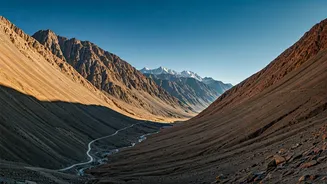
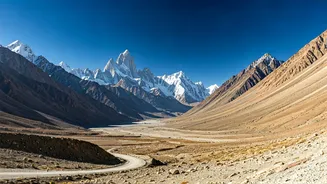
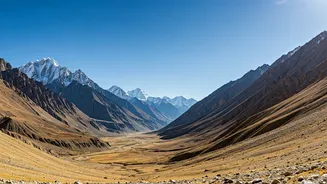
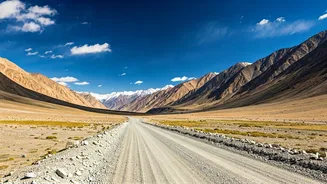
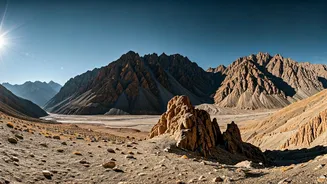
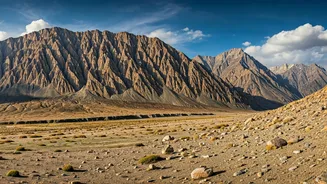
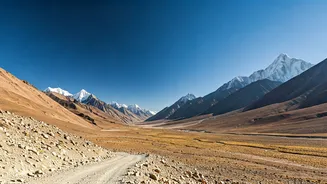
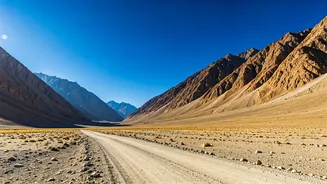
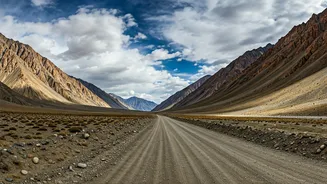
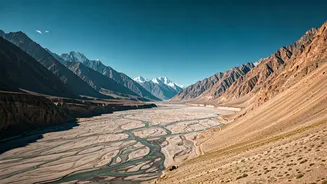
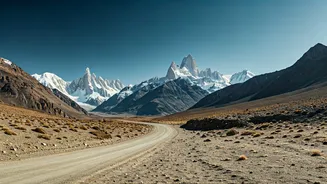
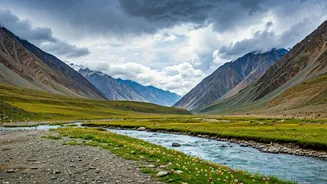
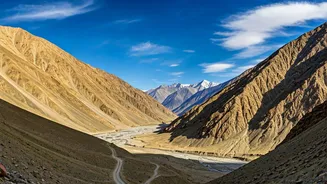
Entering Spiti is like landing on a different world. The lush green foothills you travel through to get there abruptly give way to a stark, breathtaking panorama of barren mountains, deep gorges carved by turquoise rivers, and vast, open skies. Often called “Little Tibet,” the region is a cold desert, where the raw beauty of the landscape is the main event. The color palette is a dream for photographers: ochre and purple mountains, whitewashed monasteries clinging to cliffs, and patches of bright green pea and barley fields hugging the riverbanks. The air is thin, crisp, and clean. This is not a place of passive relaxation; it’s a destination that energizes you with its scale and silence. The absence of rain means uninterrupted views and the ability to fully immerse yourself in a landscape that feels ancient, powerful, and profoundly peaceful.
Monasteries, Mummies, and Mountain Culture
Spiti’s soul is found in its vibrant Tibetan Buddhist culture, which has flourished here for over a thousand years. The monsoon season is an ideal time to explore its iconic monasteries without the peak-season tourist throngs. The Key Monastery, a stunning hilltop gompa that looks like a fortress of faith, is the region's largest and most famous. The Tabo Monastery, a UNESCO World Heritage site, is a low-slung complex of mud-brick temples housing some of the most exquisite ancient frescoes in the Himalayan world. For the truly adventurous, a visit to the village of Giu reveals a 500-year-old self-mummified monk, preserved by the dry, cold climate. The season is also great for visiting some of the highest inhabited villages in the world, like Komic and Hikkim—home to the world’s highest post office, where you can mail a postcard from over 14,500 feet.
Navigating the Journey
Getting to Spiti is an adventure in itself, and there are two main routes. The classic circuit starts from Shimla, following a winding but generally more reliable road that slowly acclimatizes you to the altitude. This route is typically open year-round, except for temporary blockages. The more dramatic route is from Manali, via the high-altitude Rohtang and Kunzum passes. While this road is only open for a few months in summer and autumn—coinciding perfectly with the monsoon travel window—it offers some of the most spectacular road-trip scenery on Earth. Traveling during this period means the approach valleys are at their greenest, providing a stunning visual contrast before you cross into the arid Spiti region. While the roads are challenging and require a sturdy vehicle and an experienced driver, they are also part of the allure, transforming a simple trip into a genuine expedition.