




Beyond the Usual Probiotics
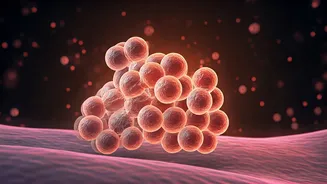
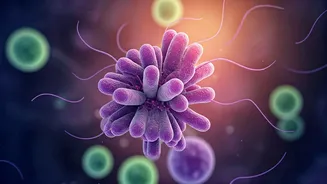
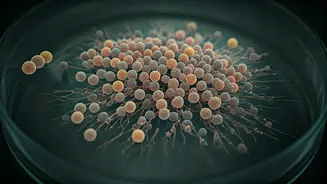
Remember when kombucha was the most exotic thing in the health food aisle? That was just the beginning. The first wave of gut-friendly eating was all about probiotics—live beneficial bacteria found in fermented foods. While yogurt and kombucha are still
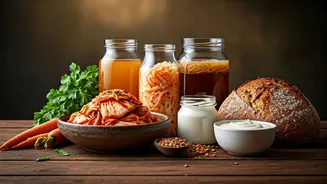
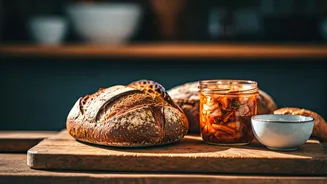
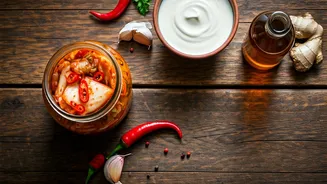
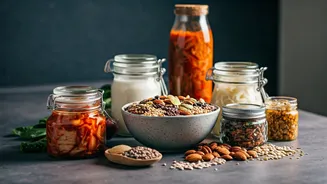
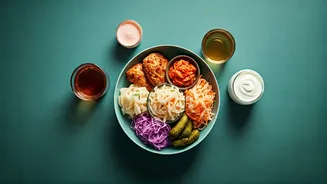
great, the 'upgrade' is about diversity. We're now seeing a massive embrace of other, often more potent, fermented foods from around the globe. Think of spicy, crunchy kimchi, the Korean staple made from fermented cabbage, which is loaded with a wide array of bacterial strains. Or consider kefir, a fermented milk drink with a thinner consistency than yogurt but often a higher probiotic count and greater strain diversity. Even traditional sauerkraut (the unpasteurized kind from the refrigerated section) and tempeh, a fermented soybean cake from Indonesia, are stepping into the spotlight. The new rule isn't just to eat probiotics, but to consume a variety of them to cultivate a more resilient and diverse gut microbiome—like tending a garden with many different types of plants instead of just one.
Meet the Prebiotics: Food for Your Flora
Here’s where the real upgrade comes in. If probiotics are the good bacteria (the 'seeds' you plant in your gut garden), prebiotics are their food (the 'fertilizer'). Without a steady supply of prebiotics, those beneficial microbes can't thrive and multiply. This is the crucial piece of the puzzle many people were missing. Your body can’t digest these specific types of fiber, but your gut bacteria can, and they love them. So, where do you find them? You don't need expensive supplements. Prebiotics are abundant in everyday plant foods. Think garlic, onions, leeks, asparagus, and bananas (especially when they're slightly green). Other powerful sources include chicory root (often found in coffee alternatives), Jerusalem artichokes, and whole grains like oats and barley. The modern approach to gut health isn’t just about adding bacteria; it's about nourishing the trillions you already have. Making a simple swap like adding sautéed onions and garlic as a base for your meals is a powerful step.
The Rise of Polyphenols
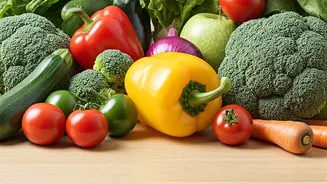
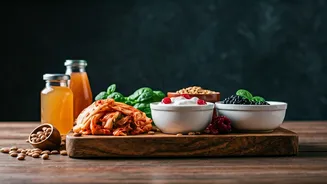
If you're still with us, here's the advanced class. Beyond pro- and prebiotics, scientists are increasingly excited about polyphenols. These are naturally occurring compounds in plants that give them their vibrant colors, from the deep red of a raspberry to the rich brown of dark chocolate. While known for their antioxidant properties, it turns out they also play a major role in gut health. Like prebiotics, our bodies don't absorb polyphenols very well on their own. Instead, they travel to the colon, where our gut microbes break them down. This process not only feeds the good bacteria but also produces beneficial byproducts called postbiotics, which have anti-inflammatory effects. To get more polyphenols, the advice is simple and delicious: eat the rainbow. Think berries, dark leafy greens, colorful vegetables, nuts, seeds, green tea, and even a small amount of high-quality dark chocolate. It’s a tasty way to support your microbiome.
It’s All About Diversity
If there’s one takeaway from this popular upgrade, it’s this: a healthy gut isn't about finding one single 'superfood' or magic pill. It's about fostering a diverse and robust ecosystem. The science increasingly points to dietary variety as the single most important factor. Studies of people with the healthiest gut microbiomes in the world, like traditional hunter-gatherer populations, find that they consume a huge range of different plant species throughout the year. For the average American, this means breaking out of a dietary rut. Instead of eating the same three vegetables every week, challenge yourself to try something new. Pick up a different type of leafy green, try a new whole grain like farro or quinoa, or add a handful of mixed seeds to your morning oatmeal. The goal isn't perfection; it's variety. Each new plant food introduces different fibers and compounds that feed different types of bacteria, contributing to a more complex and stable inner world.