


The Silent Killer: Root Rot
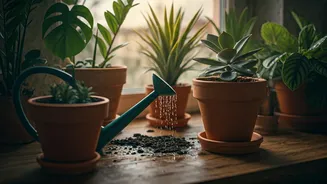
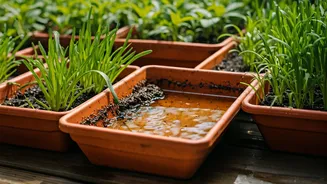
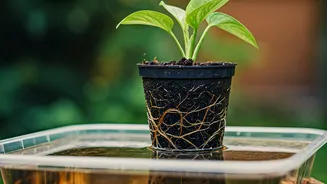
The primary danger of a water-filled tray is root rot. It’s a common misconception that plant roots love to be constantly wet. In reality, roots need to breathe. They absorb oxygen from the tiny air pockets in the soil. When a pot sits in a saucer full
of standing water, that water gets wicked back up into the lower soil, creating a soggy, oxygen-deprived zone. This anaerobic environment is the perfect breeding ground for fungi and bacteria that attack and decay the plant’s root system. The initial signs can be subtle—yellowing leaves, wilting despite wet soil—which many gardeners misinterpret as a need for *more* water, creating a vicious cycle that quickly kills the plant. A healthy plant can’t survive with a compromised, rotting foundation.
An Open Invitation for Pests
Beyond root rot, a perpetually damp saucer is a welcome mat for household pests. The most common culprits are fungus gnats. These tiny, black, annoying flies thrive in moist soil and lay their eggs in the top few inches. A saucer of standing water ensures the entire soil column stays damper than it should, creating a five-star resort for these pests. Their larvae feed on organic matter and delicate root hairs, adding another layer of stress to your already struggling plant. Standing water can also attract other unwanted guests, like mold, mildew, and even mosquitos if the plant is on a patio or balcony. What you intended as a simple watering aid has now become a pest nursery right in your living room.
The Slow Scourge of Salt Buildup
Every time you water, you’re not just adding H2O. Tap water contains dissolved minerals, and if you use fertilizer, you’re adding nutrient salts. A crucial part of healthy watering is flushing these excess salts out through the drainage holes. When a pot sits in a tray, that flushed-out, mineral-rich water is often reabsorbed. As the water evaporates from the tray or gets pulled back into the soil, the salts and minerals are left behind, concentrating in the lower soil layers. Over time, this buildup becomes toxic, effectively burning the plant’s delicate roots, hindering its ability to absorb water and nutrients, and leading to stunted growth and scorched-looking leaf tips.
Using Trays Without the Trouble
So, should you throw out all your water trays? Not at all. Their purpose—protecting your windowsills, floors, and tables—is a valid one. The key is to change how you use them. Think of a tray as a temporary drainage catcher, not a permanent water reservoir.
The best practice is to water your plant thoroughly in a sink or bathtub, letting all excess water drain away completely before returning it to its decorative pot or saucer. If that’s not practical, there’s another way: after watering your plant in place, wait about 15 to 30 minutes. Then, come back and empty any and all water that has collected in the tray. Don’t let the pot sit in water for hours or days. For extra security, you can place “pot feet” or a layer of pebbles in the saucer to elevate the pot, ensuring its base is never submerged in any residual drainage.