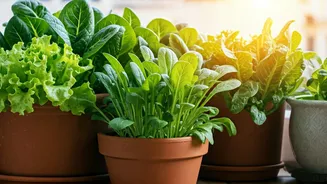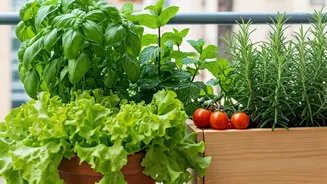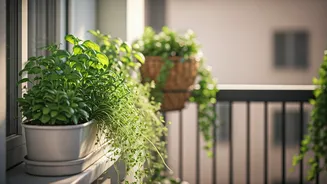



Why It’s a Foodie Fantasy Come True
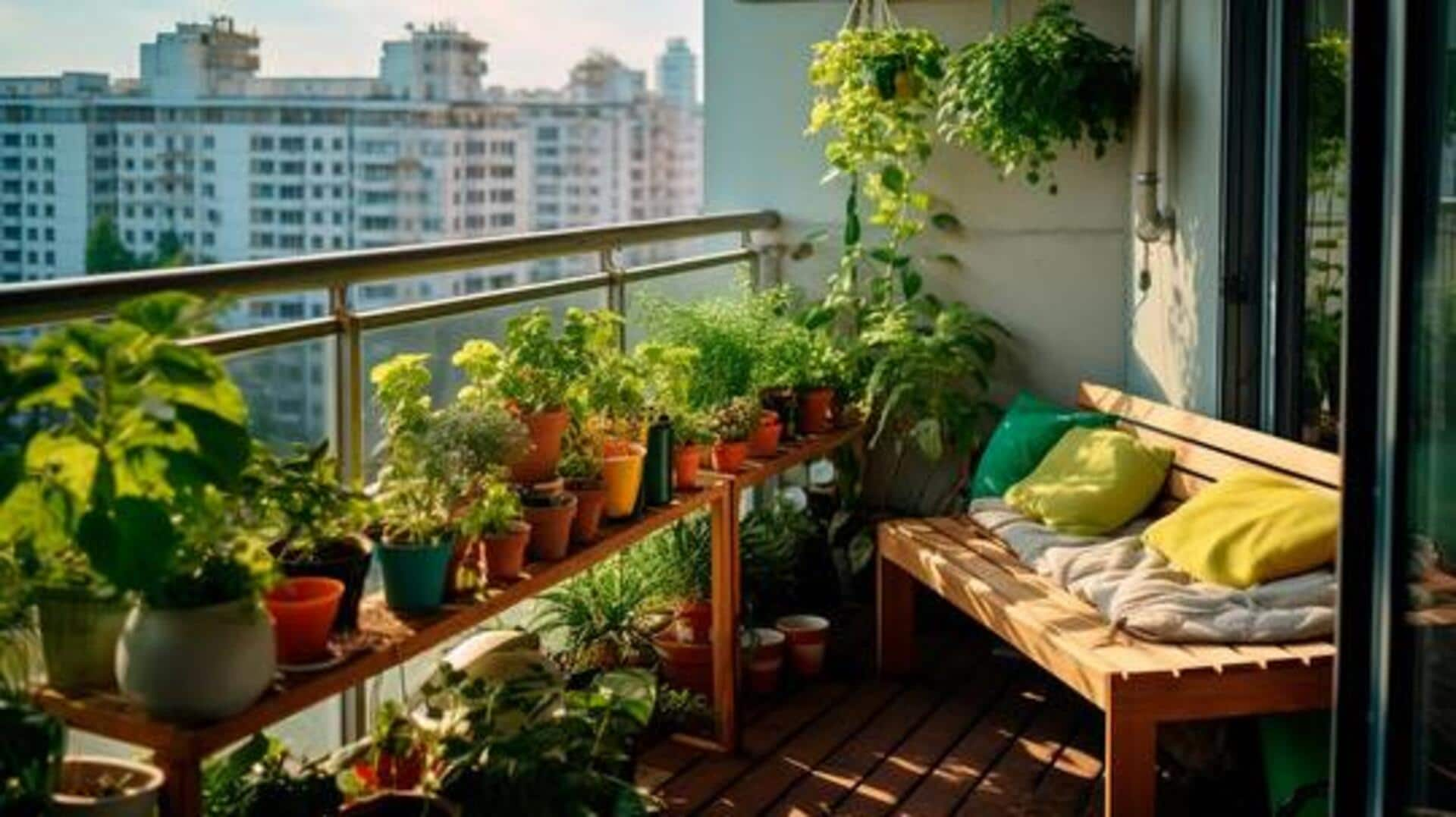
For years, the gold standard for food lovers has been “farm-to-table.” But a new, even more intimate standard is emerging: “patio-to-plate.” The balcony salad bowl is the perfect embodiment of this shift. It’s a single, wide container, often no more than
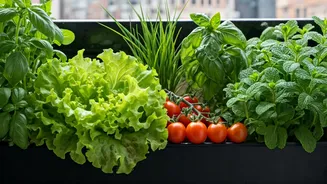
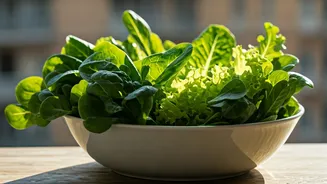
18-24 inches in diameter, dedicated to growing a mix of salad greens. The appeal is multilayered. First, there’s the unparalleled freshness. Lettuce harvested 30 seconds before it’s dressed has a crispness and vitality that store-bought greens, even organic ones, simply can’t match. Second, it’s about control. You know exactly what’s gone into your food—no mystery pesticides, no triple-washing in chlorinated water. Finally, it’s a small, beautiful, and deeply satisfying project that connects you to your food in a tangible way. It turns a small, often-overlooked space into a productive and edible oasis.
Choosing Your Cut-and-Come-Again Crew
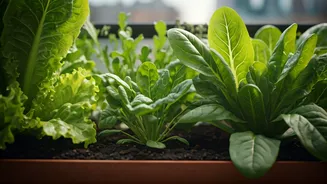
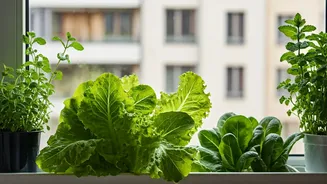
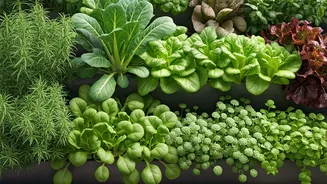
The secret to a successful balcony salad bowl is choosing the right plants. You want “cut-and-come-again” varieties, which allow you to harvest the outer leaves while the center of the plant continues to produce new ones. This ensures a steady supply for weeks or even months from a single planting. Forget trying to grow a dense head of iceberg; think loose-leaf. Excellent choices include: * **Loose-Leaf Lettuces:** Varieties like ‘Black Seed Simpson,’ ‘Red Sails,’ and ‘Oakleaf’ are dependable, fast-growing, and perfect for this method. * **Arugula:** Its peppery bite adds a gourmet touch to any salad. It grows quickly and thrives in containers. * **Spinach:** Choose a fast-maturing variety like ‘Tyee’ or ‘Bloomsdale Long Standing.’ Spinach loves cooler weather, making it ideal for spring and fall gardens. * **Mustard Greens:** For a spicy kick, greens like ‘Florida Broadleaf’ or the frilly ‘Giant Red’ are fantastic additions. * **Mâche (Corn Salad):** This mild, nutty green is a delicacy. It’s compact and cold-hardy, perfect for tucking into small spaces in your bowl.
The Perfect Potting Situation
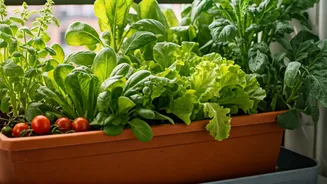
The term “salad bowl” isn’t just a metaphor; it describes the ideal container shape. Look for a pot that is wide but relatively shallow. A depth of 6-8 inches is perfectly adequate for the shallow root systems of most salad greens. A wider diameter (18 inches or more) gives you more surface area to plant a mix of varieties, creating a living mosaic of colors and textures. Ensure any container you choose has excellent drainage holes. Greens don’t like “wet feet,” and soggy soil can lead to root rot. Terracotta is a classic choice that breathes well, but it also dries out quickly. Glazed ceramic or high-quality plastic containers retain moisture better, which can be an advantage on a hot, sunny balcony. The key is ample drainage, whatever the material.
Simple Steps for Soil, Sun, and Water
Once you have your pot and seeds, the rest is simple. Don't use heavy garden soil, which compacts easily in containers. Instead, fill your bowl with a high-quality, lightweight potting mix. Many brands are formulated specifically for containers and will provide the right balance of drainage and water retention. Moisten the soil before planting your seeds, scattering them over the surface according to the packet’s instructions. You can plant in distinct sections or create a mixed “mesclun” blend. Most salad greens thrive in full sun but will also tolerate partial shade—in fact, some afternoon shade can prevent them from bolting (flowering) in hot summer weather. This makes them surprisingly adaptable to different balcony exposures. Keep the soil consistently moist but not waterlogged. Think of a damp sponge. Check it daily by sticking your finger an inch into the soil; if it’s dry, it’s time to water.
Harvesting Your Never-Ending Salad
This is the magical part. In as little as three to four weeks, your greens will be ready for their first harvest. Don’t pull the whole plant! Using a pair of small scissors, snip the outer leaves from each plant, about an inch above the soil line. Be sure to leave the central growing point and the smaller inner leaves intact. This is the heart of the plant, and it will continue to generate new growth. By rotating which plants you harvest from, you can enjoy a small salad every day or two. This continuous harvest cycle is what makes the balcony salad bowl so rewarding. You’re not just growing a plant; you’re cultivating a miniature, self-renewing food source just steps from your kitchen.