


The End of the Itinerary
First, let's get one thing straight: ‘slow travel’ doesn't mean taking a month to see one museum. It’s a mindset, not a pace. It’s about rejecting the vacation-as-checklist mentality, where success is measured by how many landmarks you can cram into a 72-hour
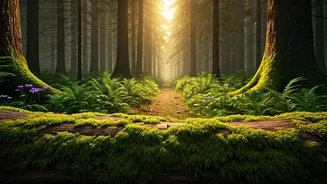
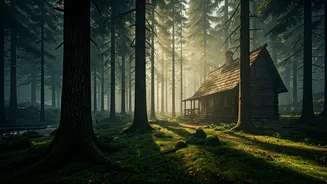
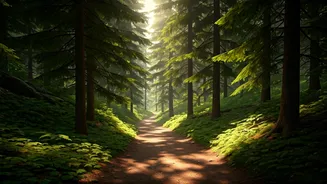
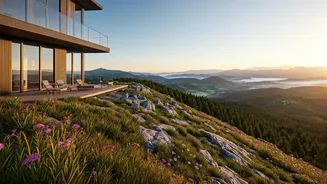
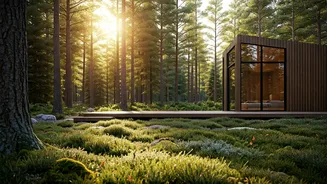
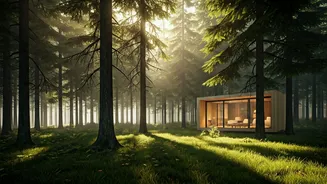
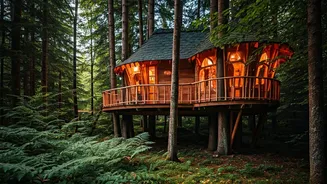
period. Instead, slow travel champions connection—to a single place, its culture, and, most importantly, yourself. It’s the difference between seeing a place and actually experiencing it. This philosophy is finding its perfect match in nature-centric getaways. Rather than booking a hotel as a simple base for urban exploration, travelers are making the accommodation the destination itself. They’re seeking out secluded cabins, A-frame houses, and cottages nestled in the woods, where the main attraction is the absence of attractions.
From Burnout to Biophilia
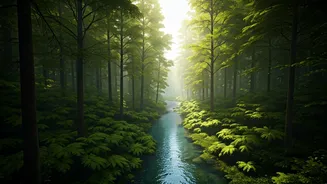
So, why the sudden urge to trade skyscrapers for sycamores? The trend is a direct response to modern life’s pressures. We’re living through an epidemic of burnout, fueled by a relentless digital tether and an ‘always-on’ work culture. The pandemic amplified this, blurring the lines between home and office and leaving many people craving a hard reset. Forest-side stays offer a powerful antidote. The appeal is rooted in ‘biophilia,’ the innate human tendency to connect with nature. Scientific studies have shown that spending time in a forest environment—a practice the Japanese call ‘Shinrin-yoku’ or ‘forest bathing’—can lower stress levels, reduce blood pressure, and improve mood. This isn’t just about getting away; it’s a form of preventative wellness, a deliberate choice to disconnect from digital noise and reconnect with the restorative rhythms of the natural world.
The Allure of the A-Frame
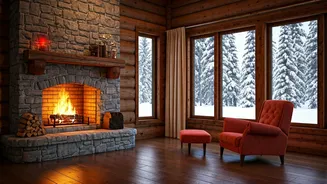
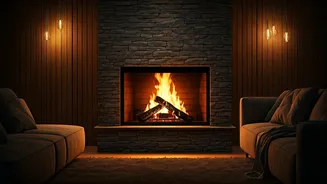
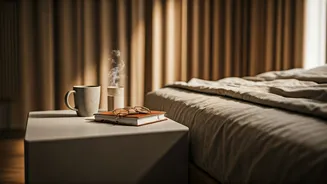
A quick scroll through Instagram or Pinterest confirms it: the cozy, isolated cabin is the new five-star resort. The aesthetic is a huge part of the appeal. Think floor-to-ceiling windows framing a canopy of trees, a crackling wood stove, a well-worn armchair with a stack of books, and a sprawling deck perfect for morning coffee or evening stargazing. Travel booking platforms like Airbnb and Vrbo have noted a significant surge in searches for unique stays like cabins, tiny homes, and treehouses, particularly in rural areas near national parks and forests. These aren't rustic shacks (though they can be). Many offer high-end amenities, blending the comfort of a boutique hotel with the profound peace of an isolated setting. The goal isn’t roughing it; it’s about being comfortably immersed in nature.
More Than Just a Pretty View
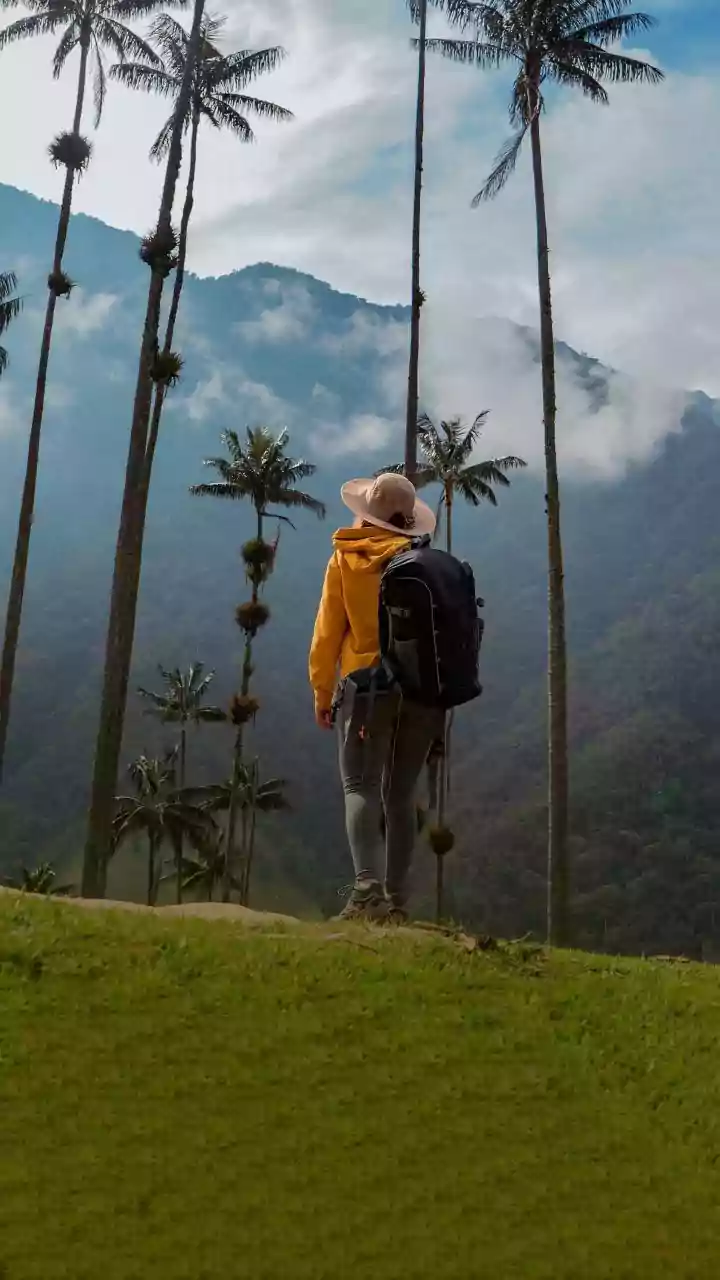
A vacation centered on a forest-side stay fundamentally changes the daily routine. The pressure to ‘do something’ evaporates, replaced by an invitation to simply ‘be.’ Days are measured by the changing light, not a schedule of tours and reservations. Activities are simple and analog: a long hike on an unmarked trail, foraging for wild berries, cooking a slow meal, reading a novel cover-to-cover without interruption, or simply sitting in silence and listening to the wind in the trees. It’s a chance to reclaim the unstructured time that daily life so often steals. This isn’t a vacation for those who need constant entertainment. It’s for those who find entertainment in stillness, who understand that the most memorable moments often happen when you aren’t planning them at all.