

Why Routine Anchors a Floating Season
The promise of summer is freedom—from school schedules, from heavy coats, from the general rigidity of the other nine months. Yet, for many, this lack of structure creates a different kind of stress. The constant question of “What’s for dinner?”—or lunch,
or breakfast—can amplify the feeling of chaos. This is a classic case of decision fatigue, the psychological concept where our ability to make good choices deteriorates after a long session of decision-making. Every day, we make dozens of food-related choices. By creating a light framework for your meals, you’re not adding rigidity; you’re building an anchor. This food-focused stability frees up precious mental energy, allowing you to be more spontaneous and present for the fun parts of summer, like an impromptu trip to the pool or a last-minute backyard barbecue.
Establish Your Anchor Meals
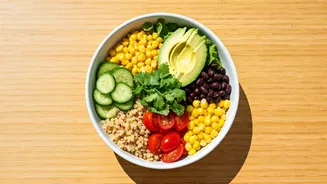
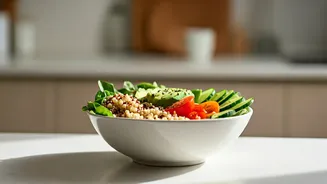
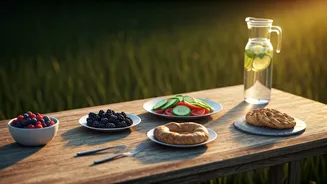
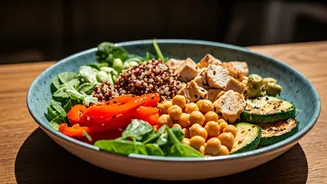
The easiest way to start is by automating the meals that require the least fanfare: breakfast and lunch. Instead of reinventing the wheel daily, establish a small rotation of “anchor meals.” These are simple, satisfying options that require minimal thought or effort. Maybe breakfast is always a rotation of smoothies, yogurt with granola, or overnight oats. Perhaps lunch is a DIY salad bar with pre-chopped veggies, a protein, and a dressing, or a series of simple wraps. For kids home from school, this can be a lifesaver. By having a predictable, easy-to-assemble lunch plan, you eliminate a major daily negotiation. The goal isn’t boredom; it’s efficiency. Save your culinary creativity for dinners or weekend feasts when you have more time and energy.
Embrace Thematic Dinner Nights
Meal planning can feel daunting, especially when a weeklong schedule gets derailed by a single spontaneous event. A more flexible approach is to use nightly themes. This provides just enough structure to simplify grocery shopping without being overly restrictive. Your themes can be as broad or specific as you like. Think “Grill Night” (burgers, chicken, veggie skewers), “Pasta Night” (with a red sauce, pesto, or just olive oil and garlic), “Taco Tuesday,” or “Global Flavors Thursday” (stir-fry, curry, etc.). A theme doesn’t dictate the exact recipe; it just narrows the universe of possibilities. This approach makes it easier to use what you have on hand and adapt to changing plans. If Grill Night gets rained out, the burgers can be cooked on the stovetop.
Master the Cook-Once, Eat-Twice Method
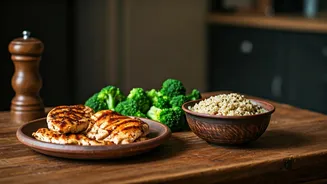
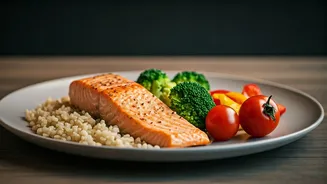
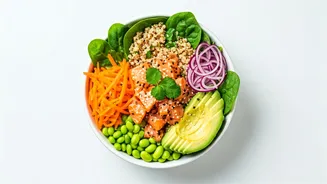
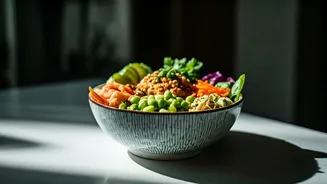
Summer is no time to be chained to a hot stove every evening. The “cook once, eat twice” philosophy is your best friend. This involves making larger batches of versatile components that can be repurposed throughout the week. Grill a double batch of chicken breasts on Sunday; use them for chicken salad sandwiches on Monday and slice them over a Caesar salad on Wednesday. Roast a big tray of vegetables to add to grain bowls, omelets, or pasta. Cook a large pot of quinoa or rice to serve as a base for multiple meals. This strategy not only saves time but also reduces food waste. You’re simply creating a toolkit of ready-to-go ingredients that makes assembling a healthy, home-cooked meal almost as fast as ordering takeout.
Curate a Smart Snack Station
With schedules thrown off, an unstructured day can quickly devolve into a free-for-all of grazing on chips and cookies. The constant refrain of “I’m hungry!” can wear down even the most patient person. Take control by creating a designated snack station. Use a drawer in the fridge or a basket in the pantry and stock it with parent-approved, easy-to-grab options. Think string cheese, individual yogurts, pre-portioned bags of trail mix, washed fruit like apples and grapes, and small containers of hummus with veggie sticks. This empowers kids (and adults) to help themselves while ensuring the choices are generally healthy. It sets a clear boundary and turns snacking from a constant negotiation into a simple, self-service process.