





The New Career Trifecta
For decades, the aspirational career path was linear: climb the corporate ladder, secure a high salary, and earn status. But for the digitally native and value-driven Gen Z (born roughly between 1997 and 2012), that model feels outdated. Their ideal career isn't
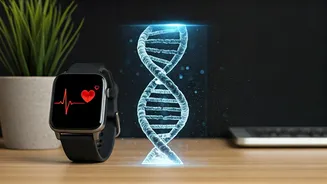
a job; it's an integrated part of their identity. The new holy grail sits at a fascinating intersection: health and wellness, cutting-edge technology, and authentic lifestyle integration. This isn't just about a job that offers a gym membership. It's about work that is fundamentally connected to improving human well-being, using technology as the primary tool, and allowing for a flexible, expressive life outside (and inside) the office.
Driven by Values, Not Just a Paycheck
What’s fueling this shift? It’s a direct reflection of Gen Z’s core values. This is the first generation to grow up with mental health as a mainstream topic of conversation. As a result, they prioritize psychological safety and work that contributes positively to their well-being, rather than detracting from it. They are also true digital natives; technology isn't a tool they learned, but an environment they inhabit. They are naturally drawn to roles that leverage this fluency. Finally, authenticity is their currency. They’ve watched millennials burn out in the “hustle culture” and are instead seeking purpose and flexibility. A Deloitte survey found that Gen Z workers place a high value on work-life balance and learning opportunities, often above salary. This trifecta—mental health, tech fluency, and a demand for purpose—makes the health-tech-lifestyle space a natural magnet for their ambitions.
What These Jobs Actually Look Like
This emerging career path isn't abstract. It's taking shape in tangible, fast-growing sectors. Think of the software engineers, product managers, and data scientists at companies like Oura, which makes smart rings to track sleep and activity, or Whoop, the fitness and recovery tracker. Consider the user experience (UX) designers creating intuitive interfaces for meditation apps like Calm and Headspace. These roles combine high-tech skills with a clear, health-focused mission. Beyond corporate roles, this trend powers a significant portion of the creator economy. The fitness influencer who builds a brand on YouTube, the nutritionist who runs a subscription service, or the mental health advocate who hosts a popular podcast are all operating at this intersection. They use tech platforms to build a lifestyle brand centered on wellness, blurring the lines between work, passion, and personal identity. They aren't just employees; they are entrepreneurs of their own integrated lives.
The End of the 9-to-5 Mindset
The implications for the broader world of work are enormous. Companies that want to attract and retain top Gen Z talent can no longer rely on old perks. They must now demonstrate a genuine commitment to employee well-being, offer meaningful work, and provide the flexibility that allows for lifestyle integration. This means more than just remote work options; it means fostering a culture where employees are trusted to manage their own time and are encouraged to bring their whole selves to work. The rigid separation between “work life” and “real life” is dissolving. For employers, this is a challenge to adapt or be left behind. For Gen Z, it's an opportunity to build a career that doesn’t require them to sacrifice their health, values, or identity for a paycheck.