


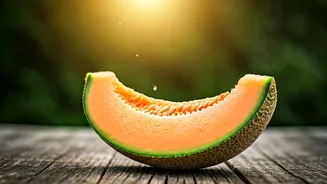
The Comeback Melon
For years, cantaloupe played a supporting role. It was the filler in hotel breakfast buffets and the least-exciting component of a pre-cut fruit medley. But the tide is turning. In an era of complex recipes and aspirational cooking, there’s a growing
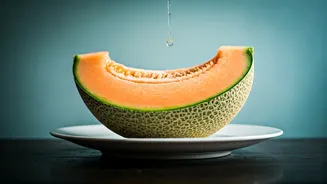
counter-movement that champions simplicity. And what’s simpler than a perfectly ripe, cold melon? The cantaloupe’s resurgence is part of a larger trend of embracing “little luxuries” and mindful moments. The act of preparing the melon—washing it, slicing it open, scooping out the seeds, and cubing the sweet, orange flesh—has become a form of self-care. It’s a quiet, ten-minute ritual that results in a healthy, hydrating, and beautiful snack. On social media, meticulously arranged containers of chilled cantaloupe cubes are popping up, framed not as a chore, but as a deliberate act of preparing for a good week. It’s the food equivalent of tidying your desk or laying out your clothes for the next day: a small effort with a significant psychological payoff.
How to Pick a Perfect Cantaloupe
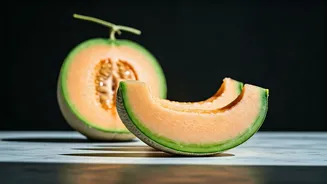
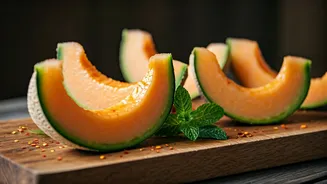
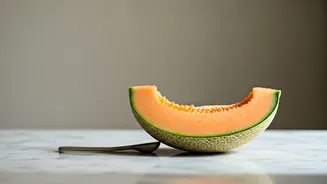
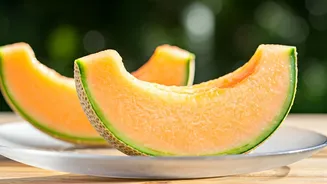
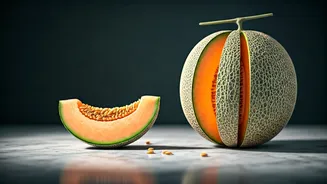
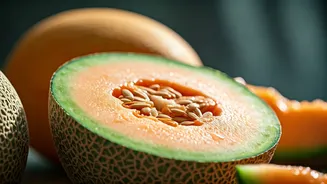
The difference between a sublime cantaloupe experience and a disappointing one comes down to selection. A bad cantaloupe is watery, crunchy, and flavorless. A good one is a fragrant, candy-sweet slice of summer. So how do you find a winner? Ignore the thumping—it’s not a watermelon. Instead, use your other senses. First, look at it. The melon should be a nice beige or creamy yellow-gold, with a raised, web-like netting pattern on the rind. Avoid melons with too much green, which indicates it was picked too early, or soft spots and bruises. Next, pick it up. It should feel heavy for its size, suggesting it’s full of juicy goodness. Finally, and most importantly, use your nose. Sniff the end of the melon where it was attached to the vine (the “blossom end”). It should have a sweet, floral, and slightly musky aroma. If you smell nothing, it’s not ripe. If it smells overly fermented or alcoholic, it’s past its prime. A sweet, fragrant smell is the single best indicator of a delicious cantaloupe.
The Prep: A Ritual of Its Own
Once you have your perfect melon, the prep is key. And it starts with a wash. Cantaloupe rinds grow on the ground and their netted texture can trap bacteria like Salmonella or Listeria. Before you ever cut into it, give the entire melon a good scrub under cool, running water with a produce brush. This prevents you from dragging germs from the outside into the pristine flesh. After washing and drying, place the melon on a sturdy cutting board. Use a large, sharp knife to slice off the stem and blossom ends to create flat, stable surfaces. Stand the melon on one of the flat ends and slice it in half from top to bottom. Use a large spoon to scoop out the seeds and stringy pulp from each half. From here, you can slice each half into wedges and cut the flesh away from the rind, or place the half cut-side-down and carefully slice off the rind before dicing the flesh into perfect, snackable cubes. For the best flavor, transfer your prepped cantaloupe into an airtight container and chill it in the refrigerator for at least an hour. The cold enhances its sweetness and makes it incredibly refreshing.
Beyond the Simple Cube
While perfectly chilled, unadorned cantaloupe is a treat in itself, its mild sweetness makes it a fantastic canvas for other flavors. This is where you can get creative and elevate your melon game. For a classic savory pairing, wrap wedges or cubes of cantaloupe in thin slices of prosciutto; the salty, cured meat is a perfect counterpoint to the sweet melon. For a touch of spice, sprinkle your cantaloupe with a chili-lime seasoning like Tajín, or a pinch of flaky sea salt and black pepper. A drizzle of high-quality balsamic glaze or hot honey can also create a surprisingly complex and delicious flavor profile. On the sweeter side, try serving it with a scattering of fresh mint leaves and a dollop of Greek yogurt or a drizzle of honey. And don’t forget beverages: blend chilled cantaloupe with water and a little lime juice for a classic Mexican agua fresca, or freeze cubes to use as a flavorful, all-natural ice cube in water or seltzer.