







More Than Just No Trash
When Americans hear “zero-waste,” they might picture mason jars and reusable straws. But in India, the concept runs deeper, tapping into a cultural ethos of frugality and respect for ingredients that has existed for centuries. It’s a full-circle philosophy.
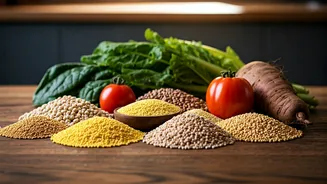
These pioneering restaurants don’t just eliminate plastic; they rethink their entire supply chain. They source produce directly from local farms, favoring seasonal and indigenous ingredients. They practice “root-to-shoot” and “nose-to-tail” cooking, ensuring that every part of a plant or animal is used. Vegetable peels are turned into crisps, fruit skins are fermented into beverages, and leftover rice is transformed into crackers for the next day's service. The final, unavoidable organic scraps are meticulously composted, often on-site, to be returned to the very farms that supply the kitchen. It’s less a trend and more a return to a pre-industrial-age wisdom, updated for the 21st-century city.
The Pioneers of the Plate
Bengaluru, often called India's Silicon Valley, has also become the epicenter of this culinary movement. Restaurants like Go Native have become standard-bearers for the cause. Here, the dining experience is holistically sustainable. The furniture is made from reclaimed wood, the staff uniforms are crafted from organic cotton, and the food itself is a celebration of hyper-local, seasonal produce. Dishes are served on traditional stoneware or banana leaves, eliminating the need for disposable plates. Another notable example is the restaurant Forage, which champions foraged ingredients and forgotten grains, crafting a menu that is both innovative and deeply connected to the local ecosystem. These aren't just restaurants; they are living laboratories for a new kind of urban sustainability, proving that a business can be both profitable and principled. Their success has inspired a new generation of restaurateurs in cities like Mumbai, Delhi, and Goa to adopt similar practices.
Old Traditions, Modern Problems
This movement is a response to a distinctly modern crisis: India's massive urban waste problem. Its cities generate over 62 million tons of waste annually, a figure that is rapidly growing. Landfills are overflowing, and plastic pollution clogs waterways. In this context, zero-waste dining is not just a boutique affectation but a necessary act of resistance. Yet, its power comes from its connection to the past. The philosophy aligns with the Indian concept of *jugaad*, or frugal innovation, and the deep-seated cultural value of not wasting food—a principle taught in many Indian households. Before packaged foods and complex supply chains became the norm, using every part of an ingredient was simply common sense. By reviving these practices and giving them a modern, marketable identity, chefs are making tradition feel aspirational again.
Is It Really Mainstream?
While the headline-grabbing zero-waste restaurants are still concentrated in major metropolitan areas, the philosophy they champion is resonating on a broader scale. The term “mainstream” in India doesn’t just mean what’s happening in high-end establishments. It reflects a shift in conversation and values. The principles of reducing waste, buying local, and valuing traditional foods are gaining traction across different segments of society. The movement’s true impact lies in its ability to influence home cooks and smaller eateries, reminding them of sustainable practices that were already part of their heritage. It's a quiet re-embracing of what was once standard practice, now re-packaged as a conscious environmental choice. In this sense, the movement isn't just about creating a few elite, perfectly sustainable restaurants; it's about re-seeding an entire culture with the values of resourcefulness.