





Think of Your Scalp as Soil
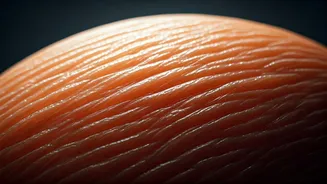
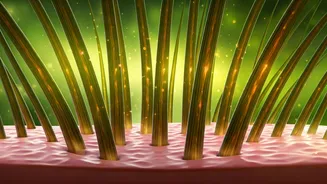
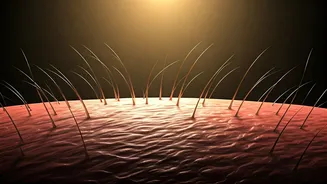
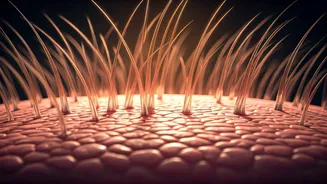
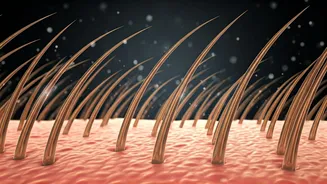
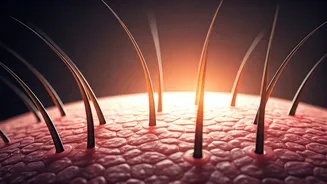
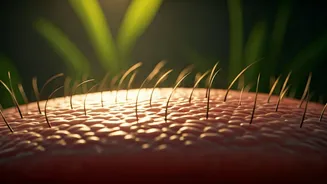
The most effective way to understand hair health is with a simple gardening analogy: your scalp is the soil, and your hair strands are the plants that grow from it. You wouldn't expect a beautiful, thriving garden from dry, nutrient-poor soil. The same
principle applies to your head. The visible part of your hair, the shaft, is technically dead tissue. Its structure, strength, and texture are determined while it’s being formed inside the follicle, deep within the scalp. No amount of serum or conditioning mask can fundamentally change the structure of hair that has already grown. To change the output, you have to improve the factory—and that factory is the scalp.
The Follicle's Life Support System
Each hair strand grows from a hair follicle, a tiny but powerful biological engine. This engine needs fuel to run properly. That fuel is delivered by a network of tiny blood vessels in the scalp that supply oxygen and essential nutrients—like proteins, vitamins, and minerals—directly to the base of the follicle. Poor circulation, nutritional deficiencies, or high stress levels can restrict this vital supply line. When the follicle is under-resourced, it can't produce its best work. The result is hair that grows in weaker, thinner, and more prone to breakage. This is why a balanced diet rich in iron, zinc, biotin, and protein is consistently linked to better hair. It's not just a wellness trend; it’s a biological necessity for nourishing your hair from the inside out.
Your Scalp's Delicate Ecosystem
Your scalp is home to a complex and delicate ecosystem of microorganisms, known as the scalp microbiome. In a healthy state, this mix of good bacteria and fungi lives in harmony, protecting your skin from pathogens. However, this balance can be easily disrupted. Over-washing or using harsh sulfates can strip the scalp of its natural protective oils, leading to dryness and irritation. On the other hand, under-washing or excessive use of dry shampoo can cause a buildup of oil, dead skin cells, and product residue. This buildup can clog hair follicles, create an environment where harmful yeasts and bacteria thrive (leading to dandruff and itchiness), and cause inflammation. Chronic inflammation is a key enemy of the hair follicle, potentially shortening the hair's growth phase and leading to shedding.
From Knowledge to Action
Understanding the 'why' is the first step; applying it is the next. Building a root-focused routine doesn't have to be complicated. Start by assessing your cleansing habits. Are you washing your scalp, or just your hair? Use your fingertips (not nails) to gently massage shampoo directly onto your scalp to break up oil and debris. Consider incorporating a clarifying shampoo once a week to tackle stubborn buildup. If your scalp is dry and itchy, look for shampoos with hydrating ingredients like hyaluronic acid or soothing agents like aloe vera. For oily scalps prone to dandruff, ingredients like salicylic acid or ketoconazole can help regulate oil production and rebalance the microbiome. Finally, a regular scalp massage can help boost circulation, bringing all those vital nutrients right where they need to go.