



The Tyranny of the Perfect Recipe
We’ve been conditioned to see recipes as rigid blueprints. That beautiful food blog, the glossy cookbook, the viral TikTok video—they all present a flawless finished product, implicitly telling us that deviation is failure. This is the root of recipe panic.
You’re not just missing a tablespoon of sherry vinegar; you’re failing the test. The pressure mounts to replicate, not to create. This approach turns the kitchen, a place that should be about nourishment and creativity, into a source of stress. It chains you to a shopping list and robs you of the confidence to trust your own instincts. The truth is, most recipes are not scientific formulas. They are suggestions, roadmaps from one cook to another. The real magic happens when you learn to read the map, not just follow the turn-by-turn directions.
Adopt an Ingredient-First Mindset
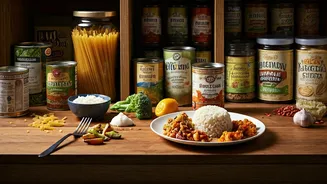
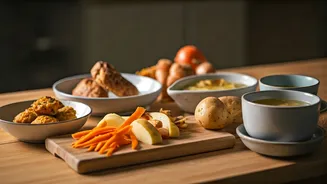
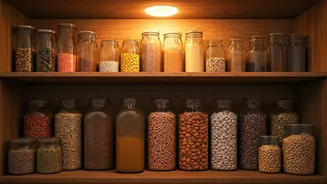
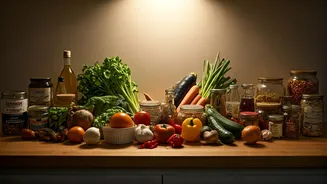
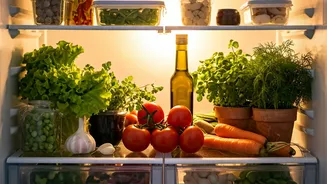
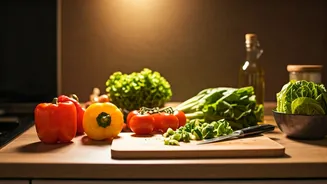
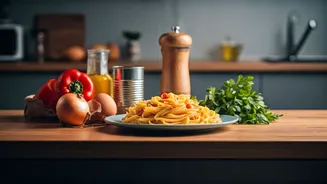
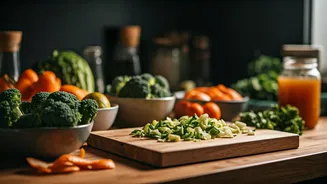
To break free, stop asking, “What recipe should I make?” and start asking, “What do I have?” This is the cornerstone of intuitive cooking. Open your fridge, your pantry, your freezer, and take inventory. That half an onion, the wilting spinach, the can of chickpeas, the lonely chicken thigh—these are not problems; they are possibilities. Instead of searching for a recipe that uses exactly those four things, think in categories. You have a protein (chicken), a vegetable (spinach), an aromatic (onion), and a versatile legume (chickpeas). This is the foundation of a stir-fry, a soup, a simple skillet hash, or a grain bowl. By seeing ingredients for their potential role in a dish—protein, veg, starch, fat, acid, crunch—you unlock infinite combinations. Your kitchen becomes a palette of flavors, not a checklist of specific items.
Master the Art of the Swap
The secret weapon of a “cook what you have” expert is knowing how to substitute. This isn’t about random guesswork; it’s about understanding function. Don't have lemon juice? You need acid. A splash of white wine vinegar, lime juice, or even a crisp apple can often serve the same brightening purpose. No fresh parsley? Another fresh, soft herb like cilantro or dill might work, or you can pivot to the deeper flavor of dried oregano. Think in families. Most leafy greens are interchangeable; roast any root vegetable the same way. No breadcrumbs? Crushed crackers, potato chips, or oats can provide a similar crunchy topping. Once you stop seeing “one cup of kale” and start seeing “a few handfuls of a sturdy green,” your options expand dramatically. This skill not only saves you from a last-minute grocery run but also reduces food waste by encouraging you to use what's about to go bad.
Build Your Flavor Toolbox
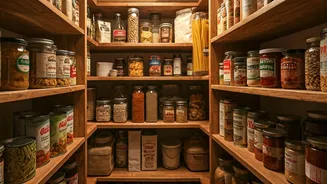
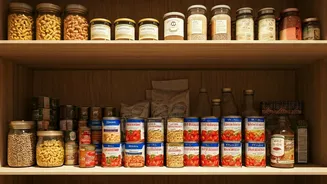
Improvisational cooking isn’t bland. The key is having a small arsenal of flavor boosters that can elevate simple ingredients. If your pantry is stocked with these, you can make almost anything taste good. Start with a solid foundation: good olive oil, salt, and black pepper. Then, build from there. For aromatics, always have onions and garlic. For umami (savory depth), soy sauce, tomato paste, or a chunk of parmesan cheese are game-changers. For acid, a collection of vinegars and citrus is essential. For heat, a bottle of hot sauce or a jar of red pepper flakes goes a long way. You don’t need a hundred spices. A few versatile workhorses—like cumin, smoked paprika, and oregano—can take you from Mexico to Italy to the Middle East. With these tools on hand, a simple can of beans and a few eggs can become a masterpiece of flavor.