






The Last Great River Frontier
Tucked away in the northeastern-most corner of India, sharing borders with Bhutan, China, and Myanmar, Arunachal Pradesh is often called the “last Shangri-La.” For the global community of extreme whitewater enthusiasts, it’s something more: the final
frontier. While rafting trips on the Colorado or Zambezi are iconic, the rivers of Arunachal Pradesh offer an expedition-level experience that feels like a true exploration. These aren’t afternoon trips with a gift shop at the end. These are multi-day, self-supported journeys into a world of impenetrable jungle, remote tribal cultures, and some of the most powerful and pristine river systems on the planet. The region was largely off-limits for decades, preserving its raw character. Now, for those with the nerve, it offers a challenge that is as much about logistics and endurance as it is about paddling skills.
A Trinity of Legendary Rivers
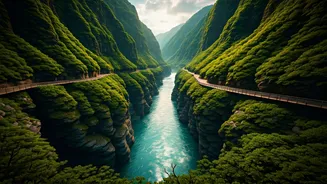
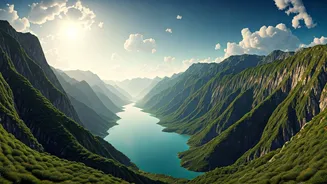
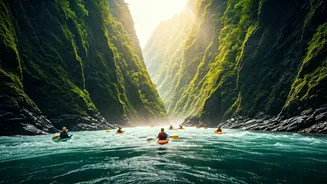
While the state is crisscrossed by waterways, three main arteries form the holy trinity for rafters. The undisputed king is the Siang River, the main tributary of the mighty Brahmaputra, which thunders down from Tibet. A trip on the Siang is a high-volume behemoth, with massive wave trains and rapids graded at a demanding Class IV and V. It’s a test of power and teamwork.To the east lies the Subansiri River, the “Gold River,” which flows through a spectacular, deep canyon of sandstone and granite. Its rapids are technical and challenging, but the experience is defined by its utter remoteness and the stunning white-sand beaches that serve as campsites under a star-filled sky. It’s considered one of the best multi-day river trips in the world.For the true expert seeking a technical challenge, there’s the Lohit River. It’s a colder, more turbulent river that demands precise maneuvering through a maze of rapids and boulder gardens. It’s less about sheer volume and more about surgical skill, offering a relentless but rewarding ride through the “cauldron” of its most famous sections.
More Than Just Whitewater
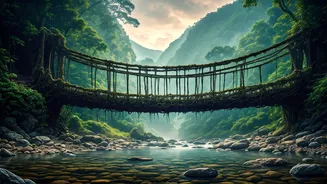
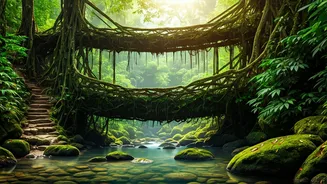
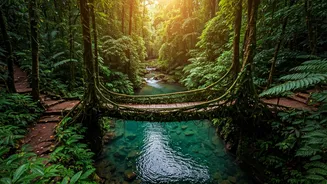
Paddling these gorges is only part of the story. The journey takes you through the heart of a vibrant cultural landscape. The hills are home to dozens of distinct indigenous groups, including the Adi people of the Siang valley, who have lived in harmony with these powerful rivers for centuries. A well-organized expedition works with local guides and communities, offering a rare glimpse into a way of life that is deeply connected to the natural world. The landscape itself is a UNESCO-recognized biodiversity hotspot. You’ll paddle past lush, primary forests echoing with the calls of exotic birds, with the potential (if you’re lucky) to spot rare wildlife. The experience is an immersion, not just in water, but in a world that feels a million miles away from modern life.
The Expedition Mindset
Conquering these rivers is not a casual undertaking. This is not the place to learn how to paddle. Most trips are 10 to 14 days long and require a high degree of physical fitness and a resilient, adventurous spirit. Due to the region’s strategic location, all foreign travelers require a Protected Area Permit (PAP), which must be arranged weeks or even months in advance through a government-approved Indian tour operator. You will be camping on riverbanks, often in basic but stunningly beautiful sites, with no cell service or Wi-Fi. The best season is a short window from November to early March, after the monsoon rains have subsided but before the snowmelt swells the rivers to dangerous levels. The challenge is immense, but for those who undertake it, the reward is an unparalleled sense of accomplishment and a story that few others can tell.