






The Quest for Clean Gains
Walk into any upscale gym in South Delhi, and you’ll find a culture of optimization. It’s a world of macros, PRs (personal records), and an almost religious devotion to protein. For this new generation of Indian fitness enthusiasts, building muscle isn’t
just a hobby; it's a lifestyle heavily influenced by global wellness trends. But they face a uniquely local problem: trust. The journey from farm to table in a sprawling metropolis can be fraught with uncertainty. Concerns over pesticides, heavy metals from polluted water, and inconsistent freshness of market produce have become a major source of anxiety for anyone meticulously tracking what goes into their body. When your body is a temple, you can't risk building it with tainted materials. This creates a powerful demand for a food source that is pure, predictable, and completely within one's control.
Gardening Without the Garden
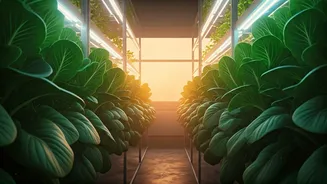
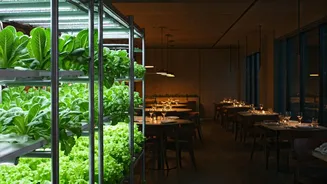
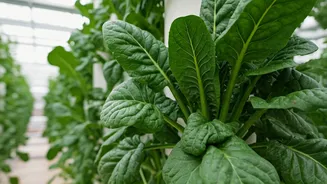
This is where hydroponics comes in. For those unfamiliar, it’s a method of growing plants without soil, using nutrient-rich water solutions instead. Picture a series of pipes or containers with plants suspended in them, their roots bathed in a perfectly balanced cocktail of minerals under the glow of specialized LED lights. For a Delhi apartment dweller, this technology is a game-changer. It solves the biggest hurdle to urban farming: lack of space. A vertical hydroponic system can occupy a footprint no larger than a bookshelf while producing a surprising amount of food. It also bypasses the region’s environmental challenges. By using filtered water and controlled nutrients, growers can eliminate worries about contaminants from the soil or groundwater, creating a sterile, pristine environment for their greens to flourish. It’s the ultimate life-hack for the urban agriculturist.
Beyond Just Basic Salads
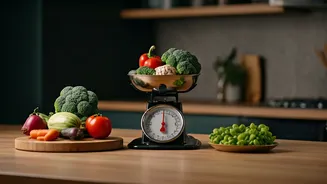
The term “greens” might bring to mind iceberg lettuce, but the crops being cultivated in these home setups are far more sophisticated. We’re talking about nutrient-dense superfoods. Think kale, Swiss chard, amaranth, and a variety of microgreens—tiny, potent versions of mature plants like broccoli and radish. These aren't just for adding crunch to a salad; they are chosen for their high concentrations of vitamins, minerals, and, crucially, protein. While a single leaf of kale won't replace a chicken breast, a diet rich in these specific greens provides essential amino acids and micronutrients vital for muscle repair and overall health. For someone looking to maximize their nutritional intake per calorie, growing these specific, high-value greens is a strategic choice. It’s about cultivating ingredients that directly serve their fitness goals.
A New Kind of Lifestyle Flex
Ultimately, the decision to install a hydroponic system is about more than just nutrition. It’s a statement. In a city where status is often displayed through cars, clothes, or zip codes, the home hydroponic setup has become a new kind of “flex.” It signals dedication, scientific literacy, and a commitment to a clean, optimized lifestyle. It’s a conversation starter and a testament to one's ability to harness technology to control one's environment. Posting a gym selfie is standard, but posting a time-lapse of your own-grown, high-protein microgreens sprouting under purple LED lights? That’s next level. It tells the world you aren’t just consuming the wellness trend; you are actively producing it in your own home. It’s the perfect blend of Silicon Valley futurism and ancient yogic principles of purity, repackaged for the 21st-century Indian man.