




An Unlikely Escape in the Desert State
When Americans think of escaping the summer heat, they might picture a lake house in Michigan or the breezy coast of Maine. In India’s sprawling desert state of Rajasthan, the equivalent is Mount Abu. It’s the state’s only hill station, a verdant plateau
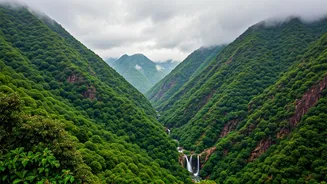
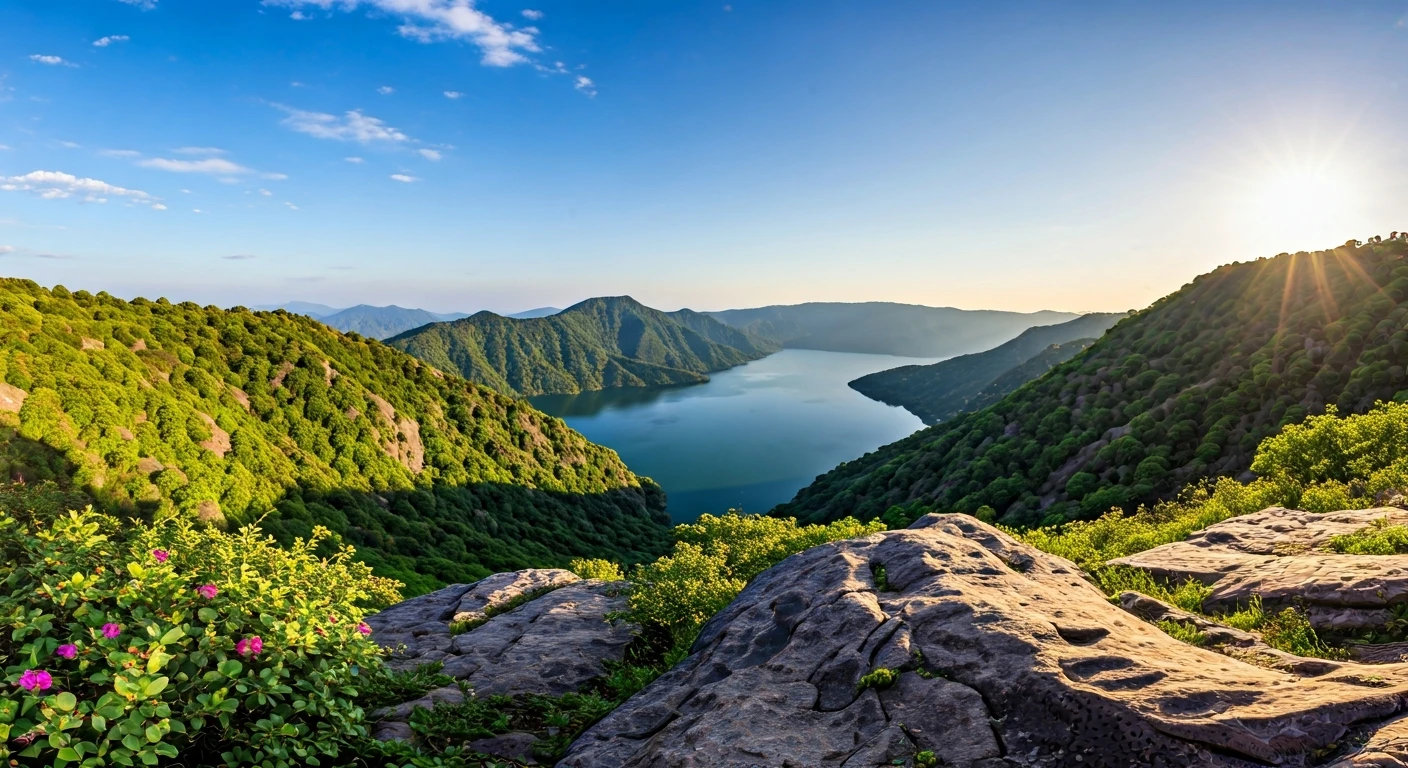
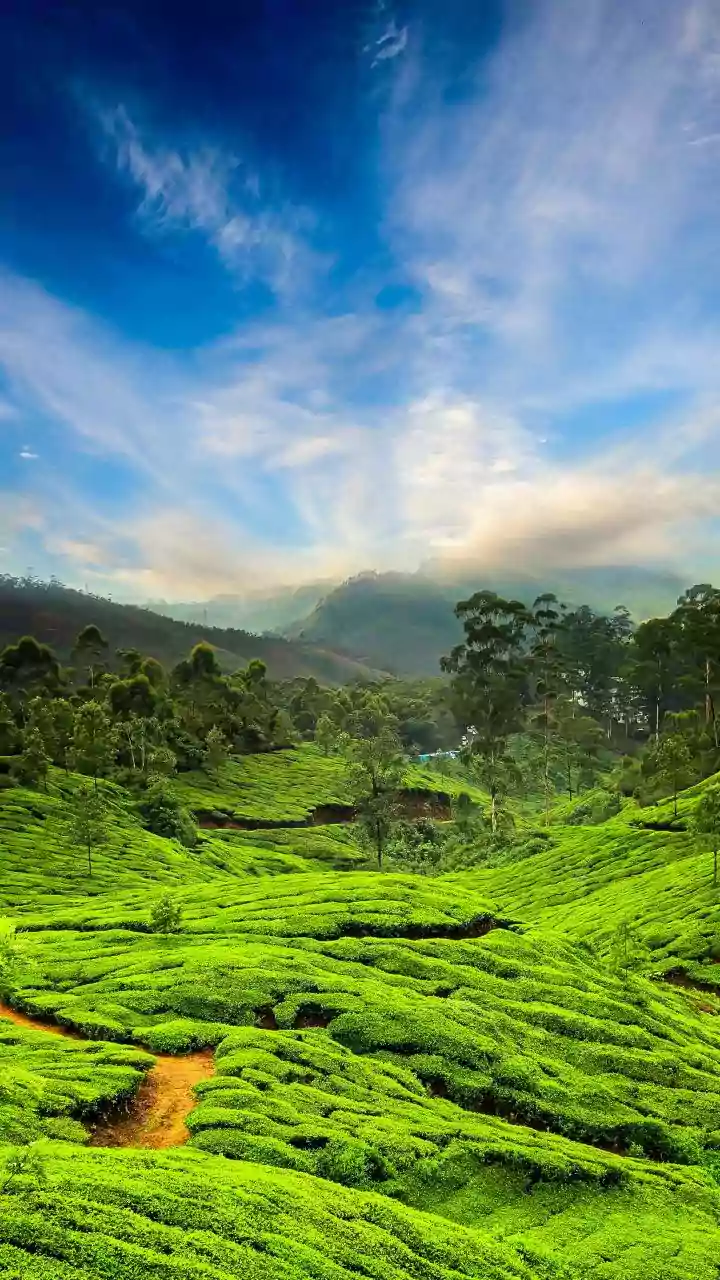
nestled in the ancient Aravalli Range that feels worlds away from the sun-baked plains below. While cities like Jaipur and Jodhpur swelter in 100-plus-degree temperatures, Mount Abu offers a startlingly different climate. The air is thinner, the landscape is dotted with forests and rocky outcrops, and the entire atmosphere is one of cool, green respite. It’s a geological and climatic anomaly that has made it a cherished destination for centuries, a true sanctuary from the relentless Indian summer.
From Royal Retreat to Modern Getaway
Mount Abu’s reputation as a cool haven isn't a recent discovery. Long before air conditioning, it was the preferred summer capital for the Rajputana kings who ruled the region. They would retreat to its high-altitude comfort to escape the oppressive heat of their lowland palaces. Later, during the British Raj, it became a popular R&R spot for colonial administrators and soldiers seeking a slice of English-style weather. This history is etched into the town's architecture, with colonial-era bungalows and royal holiday homes scattered amongst the hills. Today, that legacy continues, but the destination has democratized. It's a bustling hub for tourists from across India and the globe, all drawn by the promise of its uniquely pleasant climate and laid-back vibe.
The Daily Rhythm: Sunshine and Sweaters
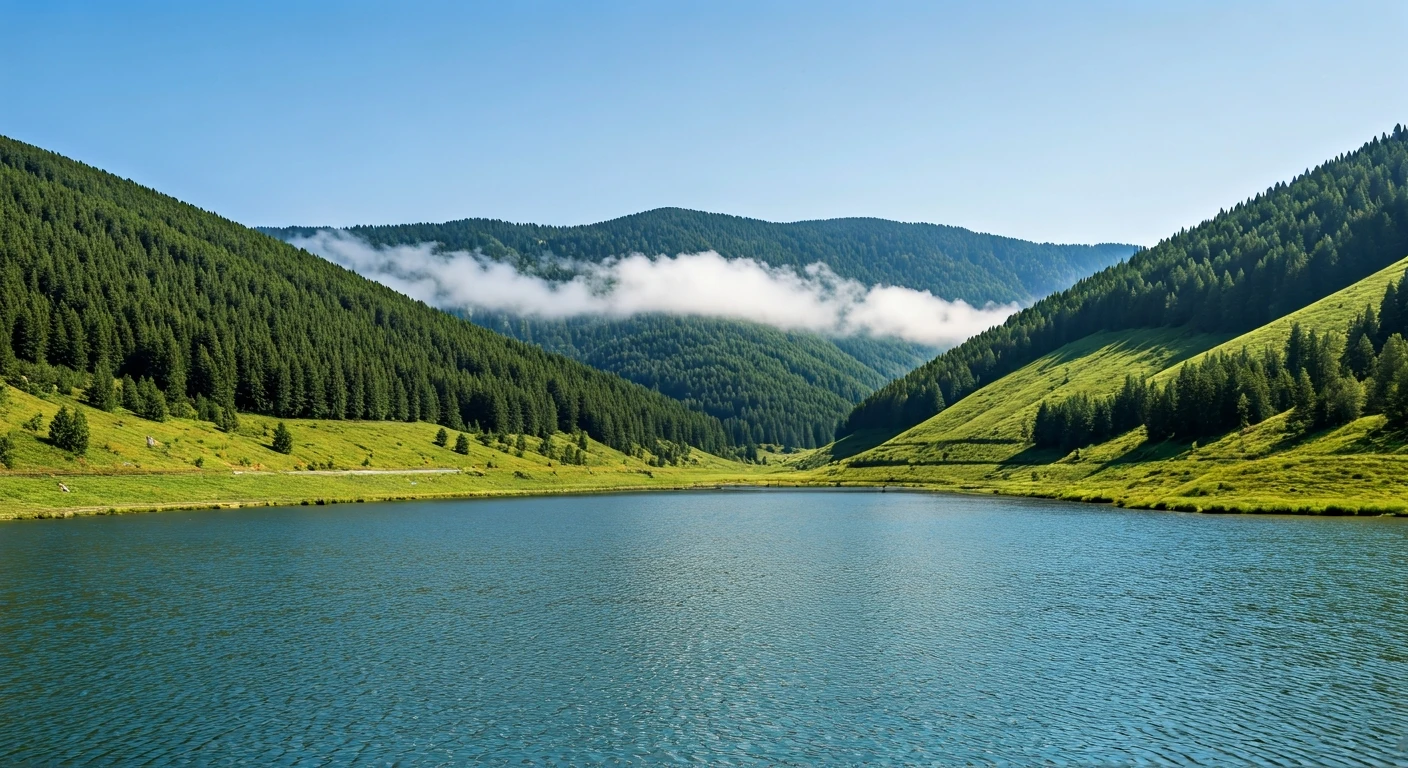
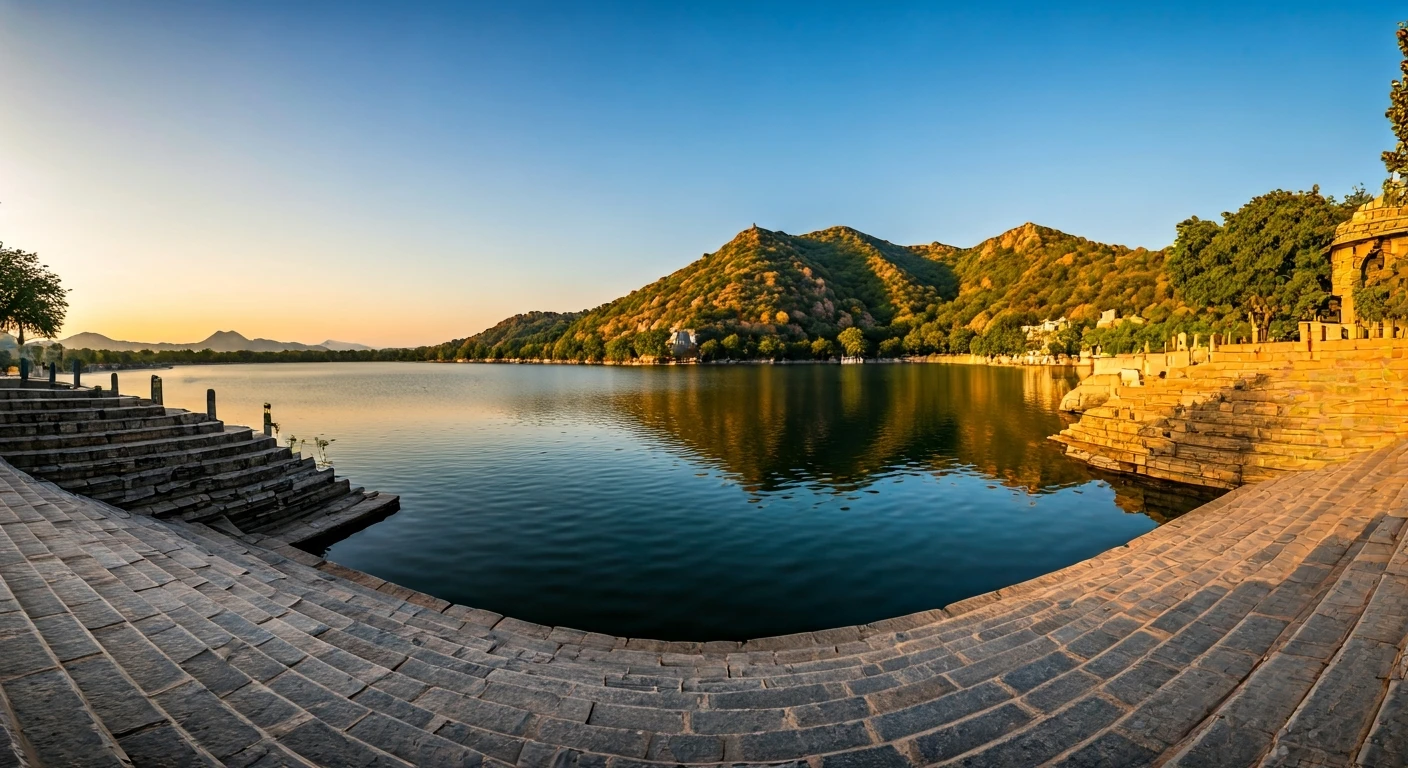
The headline isn't just a catchy phrase; it's a literal description of a summer day in Mount Abu. The daytime brings bright sunshine, perfect for strolling around the town’s centerpiece, Nakki Lake. You can rent a paddleboat, wander through the bustling market, or simply find a bench and enjoy temperatures that hover in the comfortable 80s Fahrenheit. But as the sun begins to dip behind the peaks, a palpable change occurs. The temperature drops swiftly and significantly, often by 20 degrees or more. The warm air of the afternoon is replaced by a crisp, cool evening breeze that rustles through the eucalyptus and pine trees. This is when locals and visitors alike pull out their light jackets and sweaters, gathering at viewpoints to watch the sunset before heading to dinner. It’s a daily ritual that defines the Mount Abu experience.
Beyond the Breeze: What to See and Do
While the climate is the main draw, Mount Abu offers more than just good weather. The region is home to the Dilwara Temples, a stunning complex of five Jain temples dating back to the 11th century. Carved entirely from white marble, their intricate and delicate craftsmanship is jaw-droppingly beautiful, rivaling the Taj Mahal in its artistry. For panoramic views, a trip to Guru Shikhar, the highest point in the Aravalli Range, is a must. On a clear day, you can see for miles across the rugged landscape. The town itself is a charming mix of Indian holiday-town energy and serene natural beauty, with plenty of trails for hiking and spots like Sunset Point offering postcard-perfect vistas. It’s a place where you can be as active or as relaxed as you wish, all while enjoying the cool mountain air.