

The New Desk-Side Staple
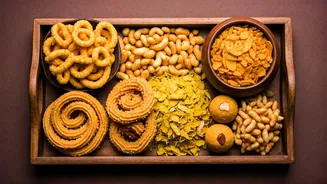
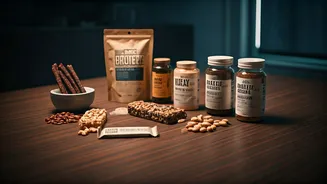
Step into the pantry of a modern Indian tech company or financial firm, and you might be surprised. The familiar aroma of fried samosas or the sweet allure of jalebi is increasingly competing with the crinkle of foil wrappers. Desks are now home to protein
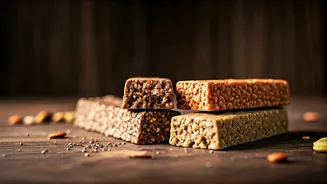
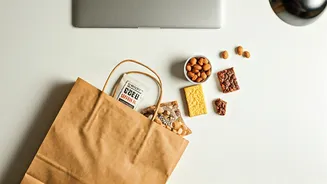
bars, packets of roasted makhana (fox nuts), quinoa puffs, and baked lentil chips. This isn't just a niche health trend; it’s a mainstream shift reflecting the changing realities of the Indian workplace. The traditional mid-day snack, often a social, communal affair involving a trip to a nearby street vendor, is giving way to something that can be consumed quickly, cleanly, and often, solo at one's desk. It’s the culinary equivalent of the hustle culture that defines modern corporate India: efficient, aspirational, and always on the move.
A Cocktail of Causes
This snack-food evolution isn't happening in a vacuum. It’s the product of a perfect storm of social and economic shifts. First, there’s the demanding nature of the jobs themselves. India’s service-led economy, deeply integrated with global markets, means long hours and tight deadlines, often stretching to align with American or European time zones. This leaves little room for a traditional, leisurely lunch, let alone a proper snack break. Convenience has become king. Second, a wave of health and wellness consciousness, similar to what the U.S. has experienced, has swept through India’s urban middle class. A growing awareness of the health risks associated with fried, sugary foods, combined with the aspirational pull of fitness culture seen on social media, has professionals actively seeking out healthier alternatives. Finally, rising disposable incomes give this new generation of workers the power to act on these preferences, choosing to spend more on snacks that promise both fuel and fitness.
From Tradition to Trend
The genius of the Indian snack market is its ability to adapt. While international brands are making inroads, the most successful products often bridge the gap between global health trends and local tastes. You won't just find a generic peanut-butter-and-chocolate protein bar. Instead, you'll see bars flavored with masala chai, mango, or cardamom. Traditional ingredients are being reinvented for the modern consumer. Makhana, once a humble fasting food, is now roasted, flavored, and marketed as a low-calorie, high-fiber superfood. Chickpeas are roasted and spiced, not fried into a heavy batter. This 'glocal' approach makes the transition feel less like a rejection of Indian food culture and more like its natural evolution. It’s a way for young professionals to stay connected to familiar flavors while embracing a modern, health-conscious identity.
The Billion-Dollar Bite
Where there's a trend, there's a market, and this one is booming. India’s healthy snack market is estimated to be a multi-billion dollar industry, with analysts projecting double-digit annual growth. This opportunity has attracted a swarm of players, from agile startups backed by venture capital to legacy conglomerates like Tata and ITC. Startups are winning with slick branding, direct-to-consumer online models, and products that speak directly to the millennial and Gen Z workforce. They’re selling not just a snack, but a lifestyle. Meanwhile, established giants are leveraging their massive distribution networks to place healthier options in every corner store and supermarket, making the grab-and-go choice easier than ever. The competition is fierce, innovation is rapid, and the ultimate winner is the time-strapped consumer who now has a world of options to power through their next conference call.