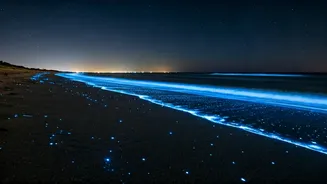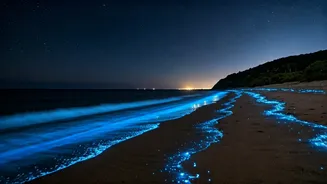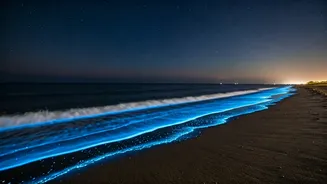





A Glimmering Indian Coastline
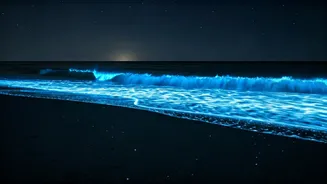
Scroll through Instagram or X lately and you might have seen it: ethereal videos of waves washing ashore in an electric blue hue against the blackness of night. This isn't a filter or a special effect. It’s a natural spectacle currently unfolding along
the coast of Karnataka, a state in southwestern India known for its serene beaches and rich history. For American travelers who might place it on a map, think of India's west coast, south of Goa. Recently, beaches near the city of Udupi, particularly Mattu Beach and Padukere Beach, have become hotspots for this mesmerizing display. Local residents and tourists, armed with nothing but their smartphones, have been capturing the otherworldly glow, transforming these quiet shores into viral sensations overnight. The 'blue tears' or 'sea sparkle,' as the event is often called, draws crowds who gather in the dark, waiting for each wave to deliver its luminous punch.
So, What's Making the Ocean Glow?
The magic behind the light show is biology, not fantasy. The glow comes from a species of marine dinoflagellate—a tiny, single-celled organism—called *Noctiluca scintillans*. Think of them as microscopic fireflies of the sea. These plankton float near the water's surface, and when they are disturbed by movement, such as a breaking wave, a passing boat, or even a hand splashing in the water, they emit a flash of blue light. This reaction, known as bioluminescence, is a defense mechanism. It’s essentially a biological burglar alarm designed to startle predators. When millions of these organisms bloom in the same area, the effect is magnified, turning the entire surf zone into a pulsating, liquid light show. Each ripple and splash triggers a chain reaction, creating the shimmering patterns that have captivated online audiences.
From Local Wonder to Viral Sensation
While bioluminescence is not an entirely new phenomenon, the recent events in Karnataka have hit a social media sweet spot. The combination of high-quality smartphone cameras and the sheer visual splendor of the event created a perfect storm for virality. Videos posted under hashtags like #bioluminescence, #muttubeach, and #seasparkle have racked up millions of views. The footage is undeniably hypnotic: the rhythmic crash of glowing waves, the dark silhouettes of onlookers, and the collective gasps of awe. For many viewers in the U.S. and around the world, it’s a breathtaking glimpse into a natural wonder they never knew existed. The online buzz has not only put these specific beaches on the global map but has also sparked a wider conversation about the planet's hidden beauty, inspiring a new wave of wanderlust for travelers seeking rare and unforgettable experiences.
A Beautiful Warning Sign?
As enchanting as the blue glow is, there's a more complicated story beneath the surface. Marine biologists and environmentalists are quick to point out that these massive *Noctiluca* blooms, sometimes called 'red tides' in the daytime for their reddish appearance, aren't always a good sign. They are often linked to changes in water temperature and an excess of nutrients from agricultural runoff or sewage discharge. In other words, pollution can act like fertilizer for these organisms, causing their populations to explode. While *Noctiluca scintillans* itself isn't toxic, it's a voracious predator of other essential plankton, like diatoms, which form the base of the marine food web. Furthermore, as the bloom dies off, the decomposition process can deplete oxygen in the water and release ammonia, leading to fish kills and creating dead zones. So, while we marvel at the beauty, scientists see it as a potential indicator of an ecosystem under stress—a beautiful warning sign from the ocean.