


The Undisputed King: Geraniums
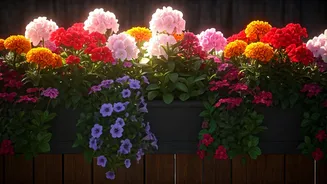
When you picture a classic European balcony overflowing with color, you're likely picturing geraniums (or more accurately, pelargoniums). There's a good reason they're a global favorite. These sun-worshipping plants are incredibly resilient, offering
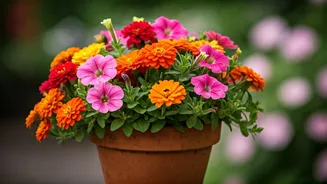
bold clusters of red, pink, white, or salmon flowers that stand up to summer heat. They thrive in containers and their slightly fuzzy, aromatic leaves are a pleasant feature in their own right. For a dramatic look, choose a trailing ivy-leaf geranium for a railing planter. For a more upright, bushy plant in a pot, a zonal geranium is your best bet. They are forgiving of occasional neglect but will reward consistent watering and a sunny spot with continuous blooms all summer long.
The Cascading Performer: Petunias
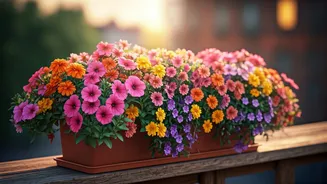
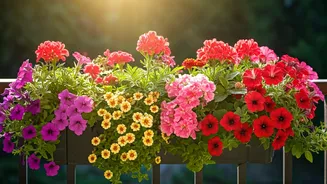
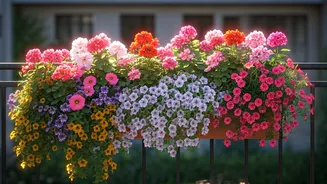
For sheer flower power and a delightful cascading effect, it’s hard to beat the humble petunia. Modern hybrids like 'Wave' or 'Supertunia' varieties are bred to be vigorous growers that spill beautifully over the edges of pots, hanging baskets, and window boxes. They come in a staggering array of colors, from deep velvety purples and burgundies to cheerful pinks and pristine whites, with many bi-color and patterned options available. Most petunias release a delicate, sweet fragrance in the evening, making your balcony a perfect spot to relax after sunset. They need at least six hours of direct sun to perform their best and benefit from regular feeding to fuel their non-stop flower production.
The Shade Solution: Begonias
Not all balconies are blessed with all-day sun. If your outdoor space is on the shadier side, facing north or blocked by a neighboring building, begonias are your best friend. Wax begonias offer glossy leaves and dainty flowers in shades of pink, white, and red. For a more dramatic flair, tuberous begonias produce large, lush, rose-like blooms that can be absolutely stunning. They provide that pop of vibrant color without needing the intense sunlight that other June bloomers demand. Begonias prefer moist, well-drained soil and protection from the harsh afternoon sun, which can scorch their leaves. They bring a touch of tropical elegance to cooler, more sheltered spaces.
The Pollinator Magnet: Salvia
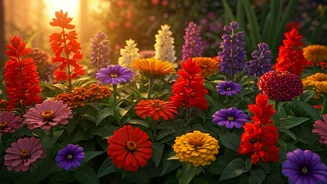
If you want to add life and movement to your balcony garden, plant salvia. The upright spikes of intensely colored flowers—often in shades of electric blue, deep purple, or fiery red—are irresistible to hummingbirds and bees. Annual salvias, like Salvia splendens (scarlet sage) or Salvia farinacea ('Victoria Blue'), are perfectly suited for container life. They are tough, relatively drought-tolerant once established, and love the heat. Their vertical growth habit adds exciting height and structure to a mixed container, contrasting beautifully with mounding or trailing plants. Deadheading the spent flower spikes will encourage a fresh flush of blooms, keeping the show going well into the fall.
The Fragrant Surprise: Nemesia
While not as common as geraniums or petunias, nemesia is a fantastic choice for a June balcony, especially for its delightful fragrance. These charming annuals produce a profusion of small, delicate, orchid-like flowers that can smell like anything from vanilla to coconut. They come in a rainbow of colors, often in beautiful bi-color combinations of yellow, orange, pink, purple, and white. Nemesia appreciates sun but can struggle in extreme heat, making it a great choice for regions with warm days and cooler nights. Plant it where you can enjoy its scent up close, perhaps in a pot near your door or seating area. It's a plant that delights multiple senses at once.
The Edible Essential: Sweet Basil
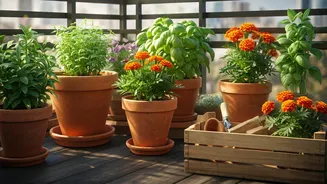
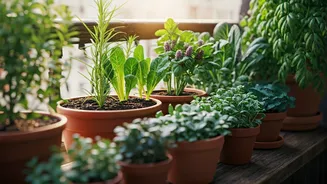
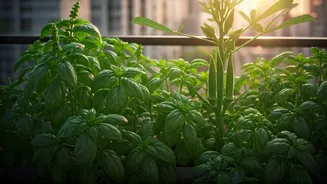
Bright blooms don't always have to be purely ornamental. A pot of sweet basil brings a vibrant, lush green to your balcony, and its value extends right into your kitchen. June's warmth is exactly what basil needs to thrive. The plant’s wonderful, peppery aroma fills the air whenever you brush past it, and having fresh leaves on hand for Caprese salads, pesto, or a garnish for pasta is a true summer luxury. Plant it in a pot that’s at least 8-10 inches in diameter to give it room to grow, place it in your sunniest spot, and keep the soil consistently moist. Pinching the tops regularly will encourage it to become a bushy, productive plant instead of bolting to flower.