



Why Monsoon Humidity Is a Dog’s Worst Enemy
A dog’s coat is a marvel of natural engineering, designed to insulate against both cold and heat. But it’s not designed for the specific, oppressive humidity that defines monsoon season. When the air becomes saturated with moisture, a dog’s fur, particularly
a thick double coat, ceases to be a protective barrier and instead becomes a damp, stagnant swamp. Air can no longer circulate freely against the skin. This creates a perfect breeding ground—a warm, dark, moist environment—for bacteria and yeast to proliferate. What might start as minor dampness can quickly escalate into a significant dermatological problem, turning a season of refreshing rains into a miserable experience for your pet.
The Undercoat: A Moisture-Trapping Liability
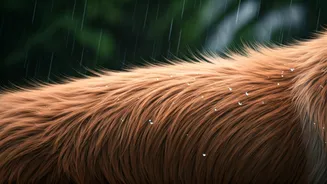
The primary culprit in this scenario is the undercoat. This is the soft, dense, fleecy fur that lies beneath the coarser outer guard hairs. In winter, it’s a dog’s best friend, trapping air to keep them warm. But during a humid summer, it’s their biggest liability. The undercoat acts like a sponge, soaking up ambient moisture and trapping it against the skin. Even without getting directly rained on, a dog with a packed undercoat will remain perpetually damp. This is why a simple surface brushing isn't enough. A professional groomer or a dedicated owner using specialized tools must remove this dead, shedding undercoat. Without this step, you’re essentially leaving your dog wrapped in a damp wool blanket in the middle of a sauna.
The Painful Reality of Hot Spots
The most common and painful result of a moisture-trapped coat is acute moist dermatitis, better known as a “hot spot.” These are red, inflamed, and infected lesions that appear seemingly out of nowhere. They begin with an itch, caused by the underlying irritation. The dog licks, chews, or scratches the area, breaking the skin’s surface. Bacteria, which are already thriving in the damp fur, invade the wound. The result is a rapidly spreading, painful, and oozing sore. Hot spots are notoriously difficult to treat once they appear, often requiring veterinary intervention, antibiotics, and sometimes the dreaded “cone of shame.” Proactive grooming is the single best way to prevent the cycle from ever beginning.
Your Pre-Monsoon Action Plan
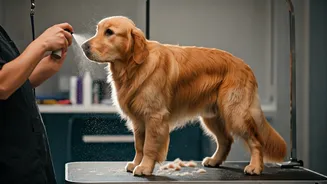
Calling this grooming session “not optional” isn’t an exaggeration; it’s a preventative health measure. Your goal is to prepare your dog’s coat to handle the humidity. First, schedule a visit with a groomer for a thorough de-shedding treatment. They have the high-velocity dryers and specialized rakes to properly remove the impacted undercoat without damaging the topcoat. Important note: do not shave your double-coated dog (like a Husky, German Shepherd, or Golden Retriever). Their coat is designed to protect them from sun and heat, and shaving can lead to sunburn and disrupt their natural cooling system. Ask for a “sanitary trim” around the paws, belly, and rear to reduce mud and moisture collection. Finally, ensure their ears are cleaned, as the same humidity that causes skin issues can also lead to painful ear infections. A nail trim will also help, preventing mud from getting caked in their paws and tracked inside.