







Clear Gutters and Drains
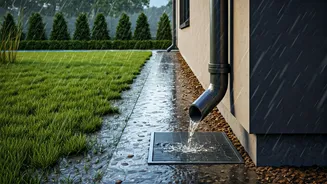
This is the single most important task before the first storm hits. Gutters are designed to channel thousands of gallons of water away from your home's foundation and roof. When they're clogged with leaves, dirt, and other debris, that water has nowhere
to go but down your walls and into your foundation, causing costly damage. Use a ladder, gloves, and a small trowel to scoop out debris. Once clear, run a hose through them to ensure water flows freely through the downspouts and away from the house. Check that drainage areas in your yard are also clear of obstructions.
Inspect Your Roof and Windows
A small leak can become a major problem during a torrential downpour. Before the season starts, perform a visual inspection of your roof. Look for cracked, curled, or missing shingles. Pay special attention to the flashing around chimneys, vents, and skylights, as these are common failure points. If you have a flat roof, common in the Southwest, check for cracks or bubbles in the sealant. While you’re at it, inspect the caulking and weatherstripping around your windows and doors. A fresh bead of silicone caulk is a cheap and easy fix that can prevent water intrusion and drafts.
Manage Your Landscape for Runoff
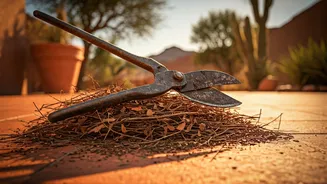
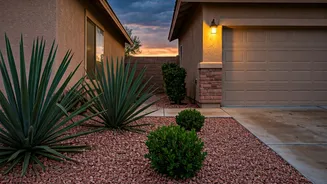
Your yard can either help or hurt your home during a monsoon. Trim tree branches that are dead, weak, or hanging over your roof; high winds can easily snap them, causing significant damage. Next, assess the grading of the soil around your foundation. It should slope away from your house to direct water runoff. If you have low spots where water pools, consider filling them with soil or creating a simple French drain to channel water to a safer location. This simple step is critical for preventing foundation issues and basement flooding.
Secure Outdoor Items
Monsoon storms often produce powerful microbursts—intense, localized downdrafts that can generate winds over 60 mph. These winds can turn unsecured patio furniture, grills, trampolines, and even potted plants into dangerous projectiles. Before a storm is forecast, take the time to move lightweight items indoors or into a garage. For heavier furniture, try to secure it or move it to a sheltered area against the house. Taking a few minutes to clear your yard can prevent broken windows and damage to your home's siding.
Prepare for Pests and Power Outages
Heavy rains flood the habitats of pests like scorpions, spiders, and cockroaches, driving them indoors to seek high, dry ground. Seal any cracks in your foundation, gaps under doors, and openings around pipes or utility lines to block their entry points. The storms can also easily knock out power. Prepare a simple emergency kit with flashlights, fresh batteries, a portable phone charger, a battery-powered radio, and some non-perishable food and water. Having this ready means you won’t be scrambling in the dark if the lights go out.
Combat Humidity and Mold
The spike in humidity during monsoon season can lead to musty odors and, more seriously, mold and mildew growth inside your home. Improve air circulation by using ceiling fans and running your air conditioner. The A/C not only cools but also removes moisture from the air. For poorly ventilated areas like basements, closets, or bathrooms, consider using a standalone dehumidifier. After a storm, check for any damp spots on ceilings, walls, or around windows and address them immediately to prevent mold from taking hold.