


Why Indoor Gardening Is Different Now
For years, the idea of a serious indoor garden felt reserved for dedicated hobbyists with basement space and a tolerance for high electricity bills. The old-school fluorescent and high-pressure sodium (HPS) lights were bulky, generated a lot of heat,
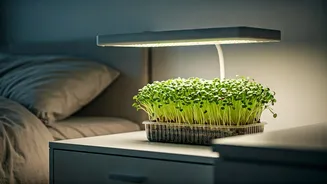
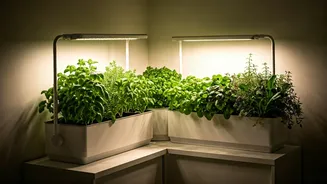
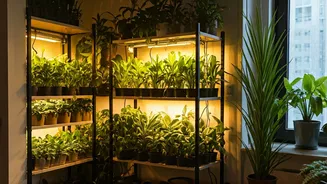
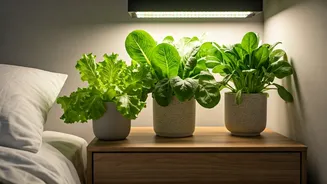
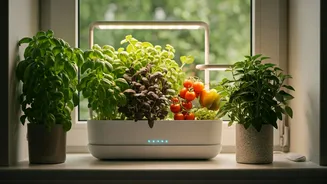
and consumed significant power. They worked, but they weren't exactly user-friendly for the average apartment dweller. Enter the modern LED grow light. This isn't just a minor upgrade; it's a technological leap that has democratized indoor growing. Today’s LEDs are engineered to be highly efficient, converting more electricity into usable light and less into wasted heat. They are also compact, stylish, and can be integrated directly into shelving units or hung discreetly over a countertop, turning a small patch of your home into a productive micro-farm.
The Magic Is in the Spectrum
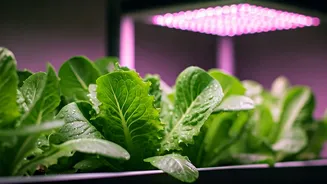
A sunny windowsill might seem like the perfect spot for a plant, but U.S. homes often don't provide the consistent, direct light needed for robust growth, especially in winter. Most edible plants require 12-16 hours of strong light per day, far more than a window can offer. This is where grow lights truly shine. The key innovation is the development of “full-spectrum” LEDs. Early grow lights often produced a harsh, purplish-pink light by combining red and blue diodes, which are crucial for photosynthesis. While effective, this light isn't pleasant to live with. Full-spectrum lights are designed to mimic the quality of natural sunlight, providing all the wavelengths a plant needs while casting a natural, white-hued light that’s easy on the eyes. This means your indoor garden doesn't have to look like a science experiment; it can be a beautiful, living part of your home decor.
What to Look for in a Light
Shopping for a grow light can feel overwhelming with terms like lumens, wattage, and PAR. Here’s a simplified guide for growing greens. First, ignore simple wattage; it measures energy use, not light output. Instead, look for lights marketed as “full-spectrum.” For leafy greens and herbs, you don't need the most powerful light on the market. A simple bar-style or clip-on LED light is often sufficient for a small tray or a few pots. The most helpful, though less common, metric is PPFD (Photosynthetic Photon Flux Density), which measures the amount of usable light that actually reaches your plants. For lettuce, herbs, and other greens, a PPFD reading of 150-300 µmol/m²/s is a great target. Many quality manufacturers now provide these specs, making it easier to choose a light that guarantees results without overspending.
Your First Indoor Harvest: Easy Wins
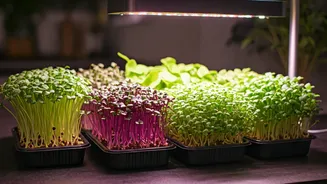
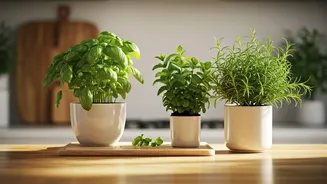
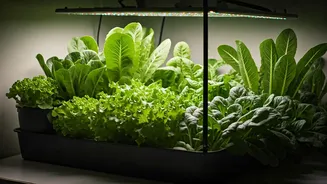
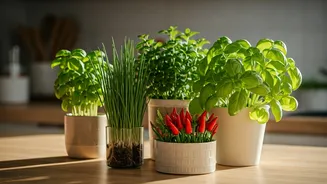
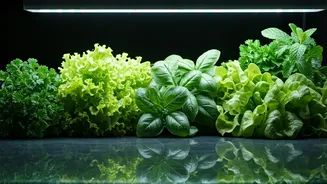
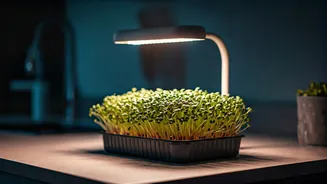
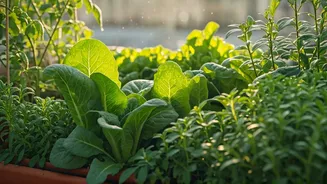
With the right light, you can grow an astonishing variety of greens. The best place to start is with “cut-and-come-again” crops, which allow you to harvest leaves continuously for weeks. * **Loose-leaf Lettuce:** Varieties like Black Seed Simpson, Oakleaf, and Red Sails are perfect. You can start harvesting individual leaves in just three to four weeks. * **Spinach and Arugula:** These peppery, flavorful greens grow quickly and thrive under lights. They add an instant gourmet touch to salads and sandwiches. * **Herbs:** Basil is a classic for a reason—it loves the consistent conditions of an indoor setup. Other great options include cilantro, parsley, mint, and chives. * **Microgreens:** For the impatient gardener, microgreens are the ultimate reward. You can grow radish, broccoli, or kale microgreens on a damp paper towel and harvest them in as little as 7-10 days.
Getting Your Setup Right
Beyond the light, your needs are simple. Choose a shallow tray or individual pots with good drainage. Use a quality potting mix designed for containers, not heavy garden soil. Position your light so it’s just a few inches above the tops of your plants—most LED strips are cool enough that they won't burn the leaves. As the plants grow, raise the light. Keep the soil consistently moist but not waterlogged, and set your light on an outlet timer for a consistent 14-16 hour “day.” That’s it. The system largely runs itself, asking for little more than a quick daily check.