




Why Small Is the New Big
For generations, the American dream was tied to expansion: a bigger house, a larger yard, more room. But a perfect storm of economic and cultural shifts has turned that ideal on its head. Soaring housing costs in desirable urban and suburban areas mean
that for many, especially younger generations, a smaller footprint isn't a choice—it's a reality. The average new single-family home size has begun to shrink after decades of growth. Simultaneously, a cultural pivot towards minimalism and sustainability has people questioning the need for cavernous, hard-to-maintain spaces. Influenced by movements like Marie Kondo’s decluttering philosophy and the aspirational simplicity of the “tiny house” community, more Americans are embracing the idea that a well-designed small space can offer more freedom and financial flexibility than a mortgage-heavy mansion.
Think Vertically, Not Just Horizontally
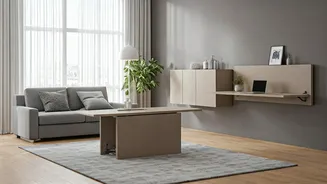
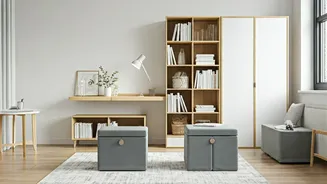
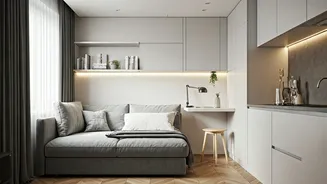
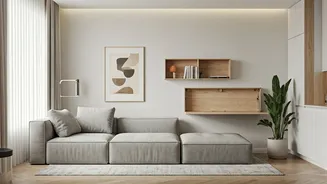
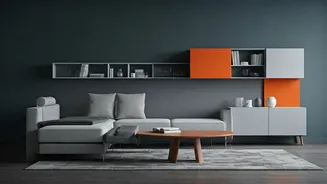
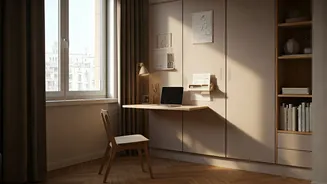
The single most transformative principle in modern space-saving is looking up. Your floor space is finite, but your walls offer a vast, untapped frontier. This trend goes far beyond simply hanging a few pictures. It’s about installing floor-to-ceiling shelving that draws the eye upward and provides immense storage without eating into your living area. Think tall, slender bookcases, floating shelves that seem to hover in the air, and modular wall-grid systems that can hold everything from plants to desk supplies. Even kitchens are getting in on the act, with pot racks and magnetic knife strips freeing up precious counter and drawer space. By utilizing vertical real estate, you not only declutter your floor but also create an illusion of height and openness, making the room feel larger than it is.
The Rise of Double-Duty Design
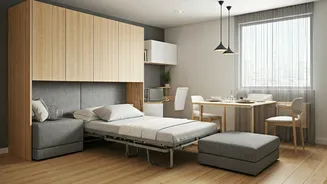
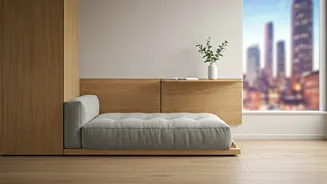
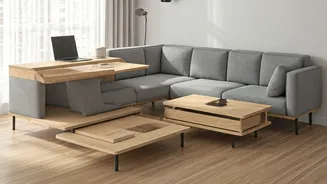
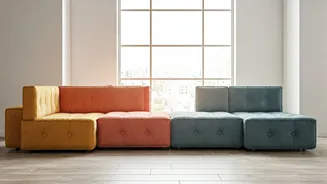
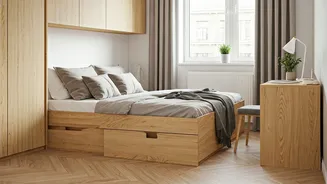
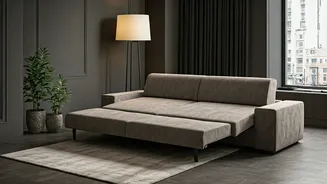
In a home where every inch counts, no piece of furniture should be a one-trick pony. The demand for versatility has fueled a renaissance in multi-functional design. The clunky, uncomfortable sofa bed of the past has been replaced by sleek, stylish sectionals that transform seamlessly into comfortable guest beds. Coffee tables now come with hidden storage compartments or lift-up tops that convert them into dining tables or workstations. Ottomans open to reveal space for blankets, while nesting tables can be spread out when guests arrive and tucked away neatly afterward. Even beds are working harder, with hydraulic lifts that raise the mattress to reveal a massive storage area underneath—perfect for stashing away seasonal clothing, extra linens, or luggage.
Creating 'Zones' Without Walls
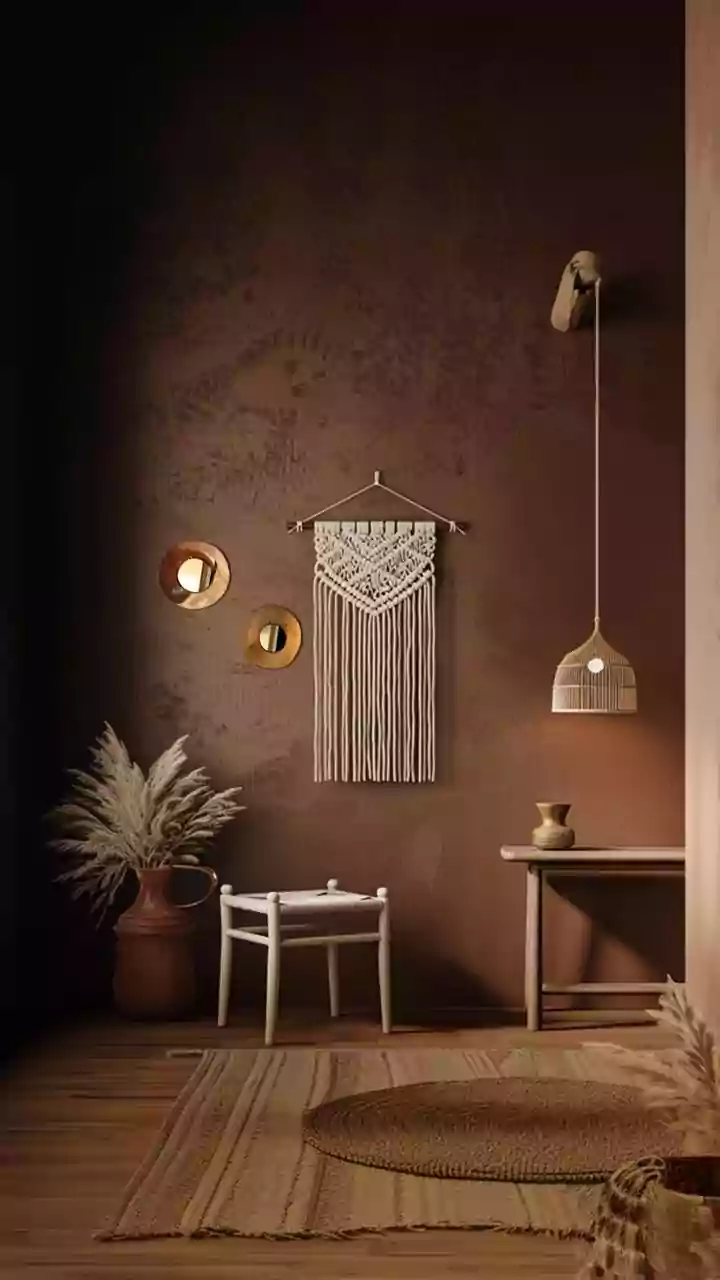
Open-concept living is great for light and flow, but it can make a small space feel like one chaotic, undefined room. The solution is 'zoning'—using clever visual cues to create distinct functional areas without putting up walls. A well-placed area rug can instantly define a living room seating area, separating it from a dining space or home office nook. Strategic lighting also works wonders; a stylish pendant light can designate a dining spot, while a focused floor lamp can carve out a cozy reading corner. Furniture placement is key: using the back of a sofa to create a 'hallway' or placing a console table behind it can establish a psychological boundary. This technique allows a single room to serve multiple purposes, making it feel more organized, intentional, and far more spacious.
Smarter Storage Is the New Decluttering
The first wave of small-space living was about getting rid of stuff. The new wave is about storing the stuff you love in a smarter, more beautiful way. It's a move away from hiding everything in opaque plastic bins and towards integrating storage into your home's aesthetic. This can mean using attractive woven baskets on open shelves, choosing clear glass jars for pantry staples, or finding a vintage trunk to use as a coffee table and storage chest. The principle is simple: if your storage is part of your decor, it doesn't feel like clutter. This approach forces a more mindful curation of your belongings and ensures that the things you need are both accessible and artfully displayed.