


The 'Drama' We Know and Love
For decades, the quintessential Indian home was a vibrant celebration of maximalism. It was a style born from a culture steeped in rich history, bold mythology, and unparalleled craftsmanship. Walls were painted in jewel tones—saffron, emerald, and sapphire.
Furniture was often heavy, dark, and intricately carved from rosewood or teak. Silk and brocade textiles, adorned with complex embroidery or block prints, draped windows and sofas. Every corner held something to look at: brass deities, inherited silverware, and collections of artifacts that told a family's story. This wasn't clutter; it was a curated, layered opulence. This aesthetic, often described as dramatic and theatrical, was a visual feast, a direct reflection of a culture that has never been afraid of color, complexity, or grand gestures.
The Rise of the Urban Sanctuary
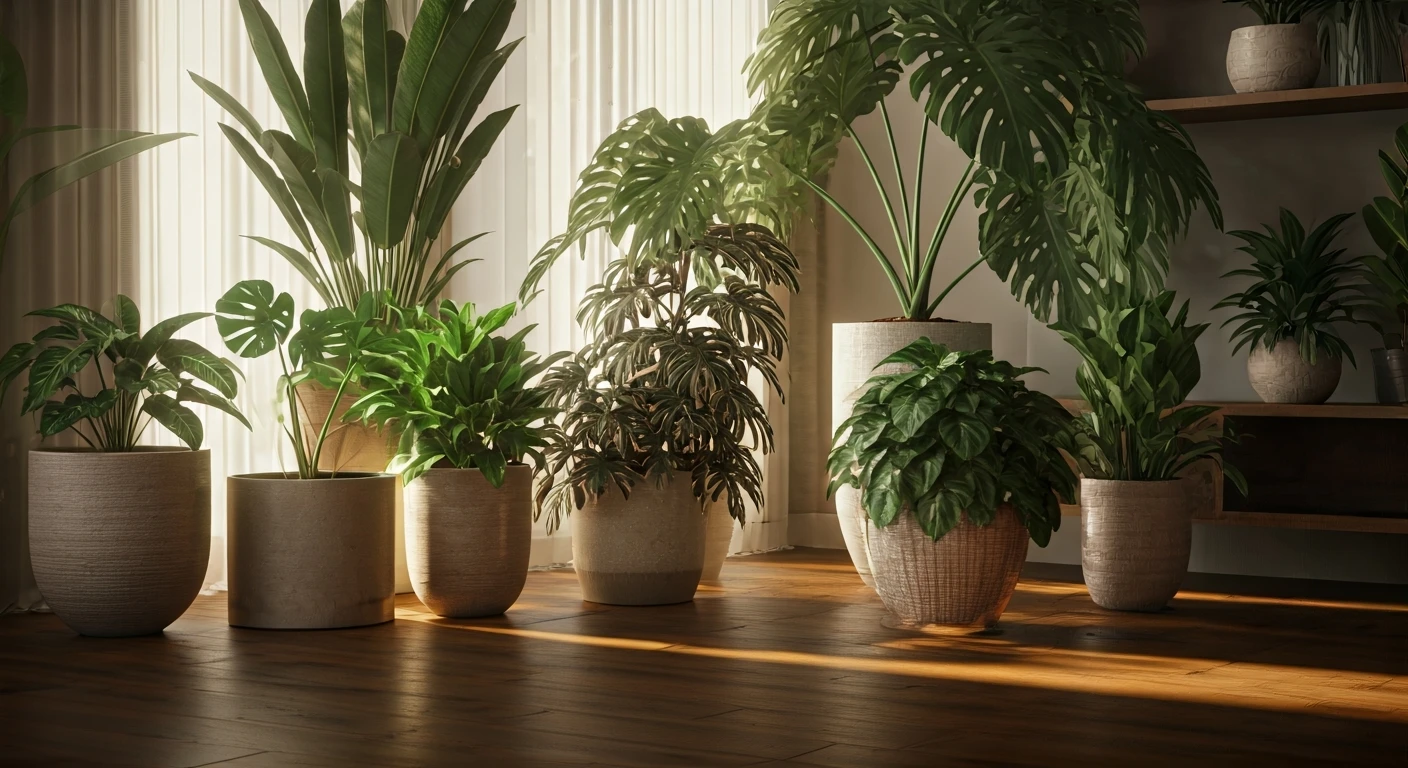
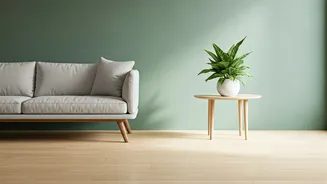
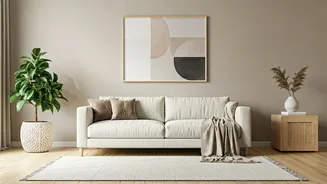
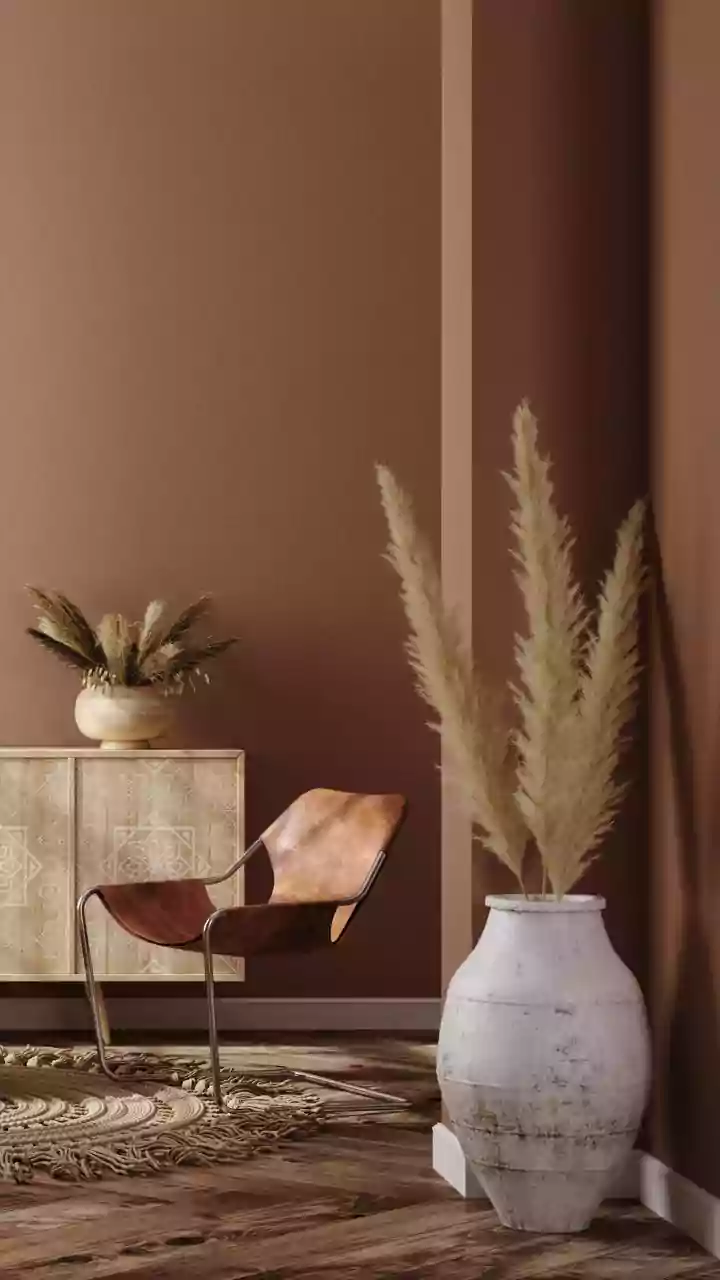
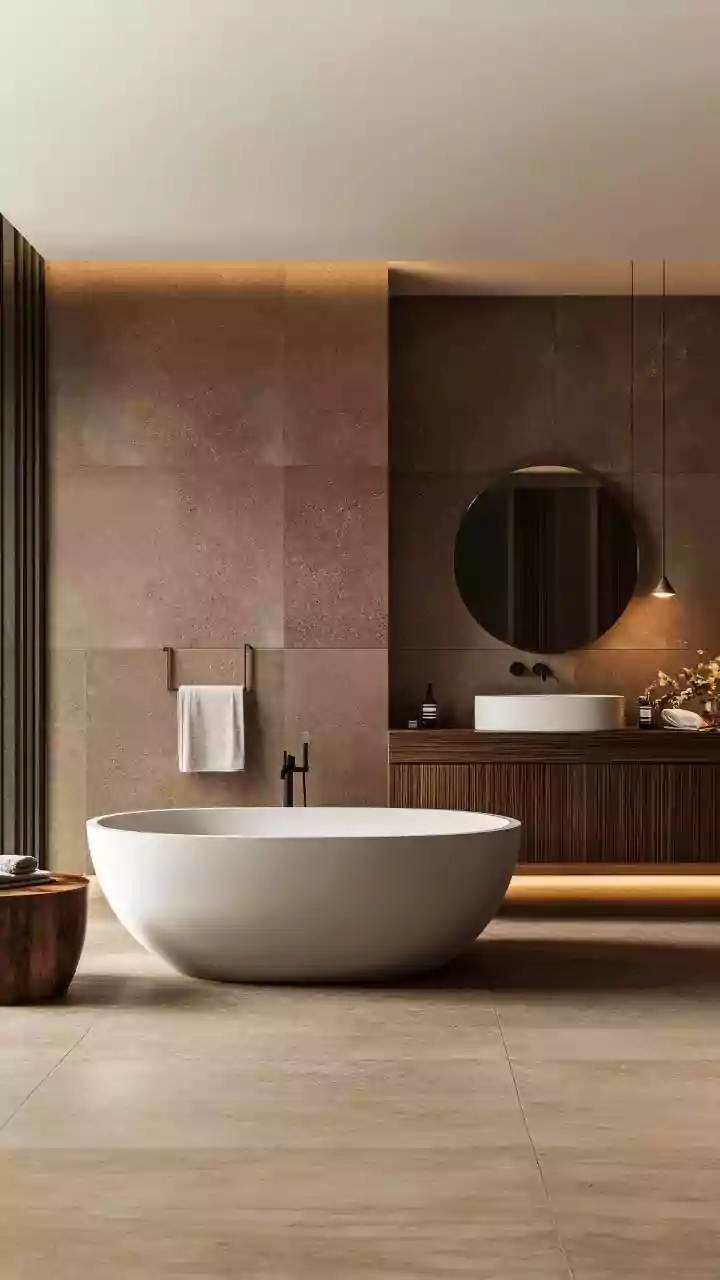
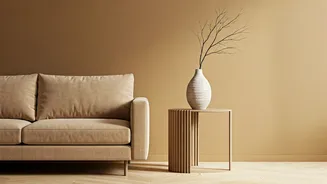
Now, walk into a newly designed apartment in Mumbai, Bangalore, or Delhi, and you might feel like you’ve stepped into a different world. The visual noise has been replaced by a quiet hum. A new design language is emerging, one that prioritizes tranquility and simplicity. Walls are often white, beige, or soft gray. Sunlight streams through unadorned windows, illuminating spaces defined by clean lines and natural textures. Rattan, light-toned wood, linen, and terracotta have replaced heavy brocades and dark, polished furniture. The goal is no longer to impress with opulence but to soothe the senses. For a generation navigating the high-stress, high-stimulus environment of modern Indian cities, the home is being reimagined as a sanctuary—a calm, uncluttered space to decompress, disconnect, and recharge.
An Indian Twist on Global Minimalism
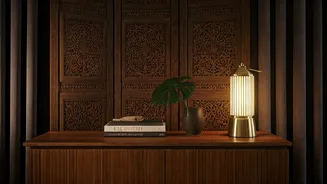
It’s tempting to see this trend as a simple import of Scandinavian or Japanese minimalism—the so-called “Japandi” style that has conquered Pinterest boards worldwide. But that’s too simplistic. What's actually happening is a thoughtful fusion. Indian designers and homeowners are not merely copying a foreign aesthetic; they are adapting it, creating a unique hybrid that feels both global and deeply local. The minimalist canvas becomes a backdrop for carefully chosen Indian elements. Instead of a room full of intricate patterns, you might see a single, beautifully crafted block-printed cushion. Instead of a dozen brass figurines, there might be one elegant, modern lamp with a brass accent. It’s about celebrating Indian craftsmanship with newfound restraint—showcasing a single piece of art, a heritage textile, or a hand-carved wooden stool as the focal point in a serene, uncluttered room.
Why Now? A Generational Shift
This shift is being driven by a confluence of factors, primarily generational and cultural. Younger, urban Indians are more globally connected than ever before. Through Instagram and travel, they are exposed to a world of design possibilities beyond the one they grew up with. Their aspirations are different, too. For their parents’ generation, a heavily decorated home was a symbol of prosperity and social standing. For millennials and Gen Z, personal well-being is the new status symbol. A home that promotes calm and mindfulness is seen as the ultimate luxury. The pandemic accelerated this trend, forcing people to spend more time at home and see it not just as a place to sleep, but as a space to work, exercise, and live their entire lives. The need for a functional, peaceful, and personal environment became paramount.