


The King of the Mango Belt
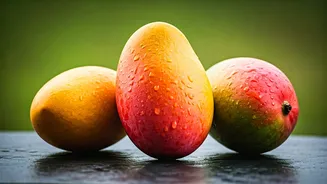
When people talk about Lucknow mangoes, they’re often talking about one specific, legendary variety: the Dasheri. Grown in the Malihabad mango belt near the city of Lucknow, the Dasheri is the crown jewel of Indian mangoes. While the U.S. market is dominated
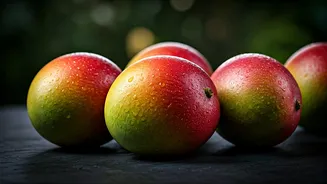
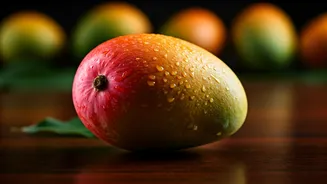
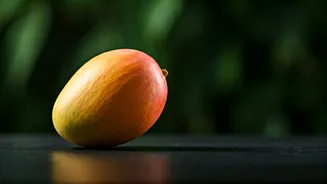
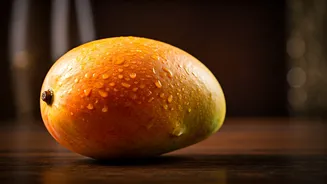
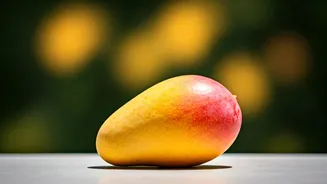
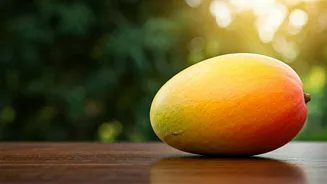
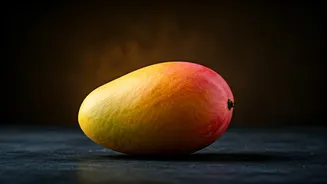
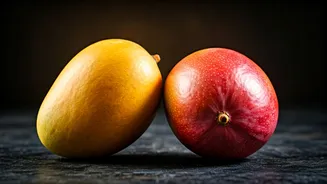
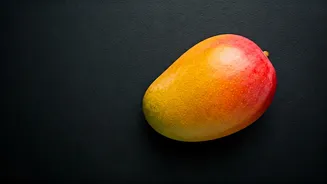
by firm, reddish mangoes like the Tommy Atkins—chosen for durability and shelf life—the Dasheri is prized for something else entirely: an unforgettable eating experience. It’s a medium-sized fruit that ripens from a bright green to a sun-kissed yellow, and its appearance, while lovely, is just a prelude to the magic inside. It’s the reason connoisseurs wait all year, why families send boxes to relatives across the country, and why the word “mango” in this part of the world conjures a very specific, almost sacred, taste memory.
A Fruit with a Royal Pedigree
The “royalty” in the headline isn’t just marketing speak. The history of these mangoes is deeply entwined with the Nawabs of Awadh, the cultured and opulent rulers who governed the region in the 18th and 19th centuries. Known for their patronage of art, music, and cuisine, the Nawabs were also avid horticulturalists. They cultivated vast orchards, or “baughs,” competing to develop fruits with superior flavor and texture. Legend has it that the mother of all Dasheri trees first fruited in the village of Dasheri, within the Nawab’s gardens. For years, its fruit was reserved exclusively for the royal court. This history imbues the mango with a sense of inherited luxury. Eating a Dasheri is like tasting a piece of living history, a flavor profile perfected not by corporate agriculture but by centuries of aristocratic obsession.
What Makes the Flavor So Special?
So, what does it actually taste like? Imagine a mango with virtually no fibrous strings. The flesh is buttery smooth, melting on your tongue like a rich sorbet. The flavor is intensely sweet but complex, with notes of honey, apricot, and a subtle floral aroma that perfumes the air as soon as you slice it. It lacks the slight tartness or resinous aftertaste found in many other varieties. This unique profile comes from the specific soil and climate—the hot, dry summers and the alluvial soil of the Gomti river basin create the perfect conditions. This concept of terroir, often associated with wine, is just as crucial here. A Dasheri mango grown anywhere else simply doesn't taste the same, which is why its origin is so fiercely protected.
Protected Like Champagne or Parmesan
To protect this unique horticultural heritage, the Malihabad Dasheri mango was granted a Geographical Indication (GI) tag. This is the same legal protection given to Champagne from France, Parmesan cheese from Italy, or Tequila from Mexico. The GI tag ensures that only mangoes grown in this specific region of Uttar Pradesh can be sold as “Malihabad Dasheri.” It’s a guarantee of authenticity and quality, a legal acknowledgment that this fruit is a product of its specific place. This status elevates the Dasheri from a simple commodity to a cultural treasure, fighting back against cheaper imitations and preserving the livelihood of the farmers who have cultivated these orchards for generations.