


The Great Climate Escape
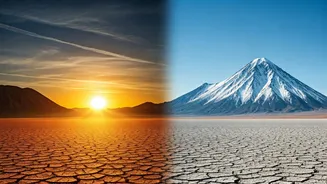
Let’s be honest: sweating through your vacation isn’t the flex it used to be. With record-breaking heat waves becoming a summer staple across the country, the appeal of a 100-degree beach day is starting to melt away. This has given rise to the “cool-cation,”
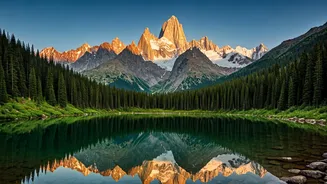
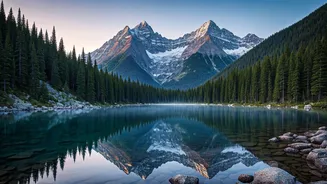
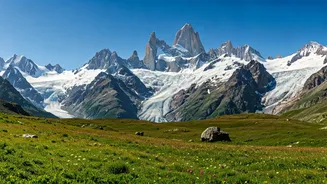
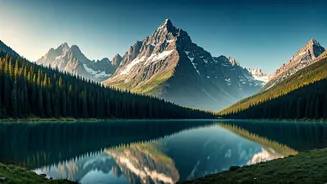
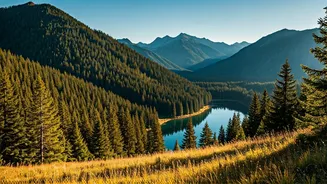
where travelers actively seek destinations to escape extreme heat. Suddenly, the idea of wearing a light jacket in July sounds less like a packing mistake and more like the pinnacle of luxury. Mountain towns from the Rockies to the Appalachians are reaping the benefits. Destinations like Aspen, Colorado, or Jackson, Wyoming, once seen primarily as winter ski havens, are now bustling summer hubs. They offer a simple, unbeatable proposition: while cities and coastlines swelter, they provide a natural air conditioner. A 75-degree day with low humidity, a cool nighttime breeze, and zero risk of your sandals melting to the asphalt is a powerful draw. This isn't just about comfort; it's a pragmatic response to a changing planet, repositioning mountain elevation as the ultimate climate amenity.
More Than Just a View
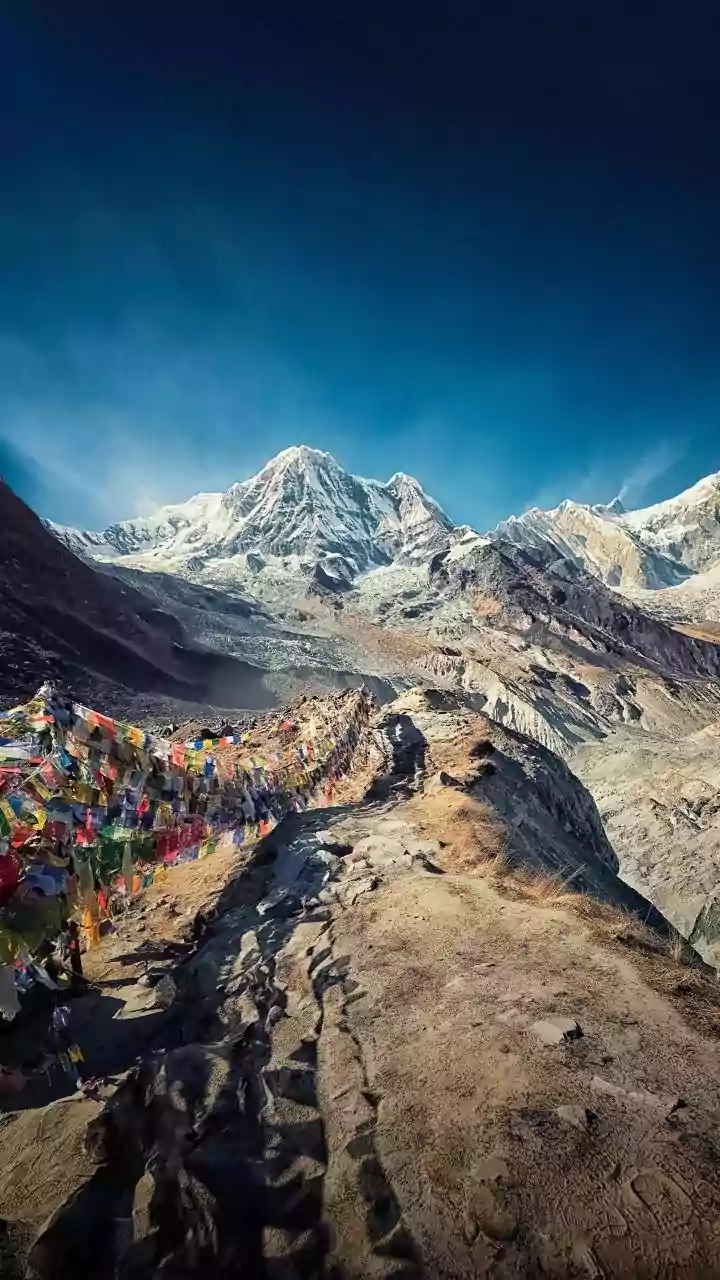
The mountain trend is also perfectly in sync with our culture’s ongoing obsession with wellness. The classic beach vacation can often feel passive—lying around, indulging in rich food and drink. The mountain vacation, by contrast, is inherently active. It’s built around experiences like hiking, trail running, mountain biking, and fly-fishing. It’s about doing, not just being. This reframes the vacation from an act of indulgence to an act of self-improvement. You don’t just come back with a tan; you come back feeling stronger, clearer, and more connected to nature. This aligns with a post-pandemic desire for wide-open spaces and a renewed focus on physical and mental health. Posting a photo from a 12,000-foot summit doesn’t just say, “I’m on vacation.” It says, “I’m investing in my well-being, challenging myself, and finding peace in nature.” In an era where personal growth is a status symbol, the rugged trail has become more aspirational than the perfectly raked beach.
The 'Quiet Luxury' of Nature
If the peak-Instagram era was defined by obvious, often-cloned photo ops—the overwater bungalow in Bora Bora, the infinity pool in Santorini—the mountain trip represents a pivot toward “quiet luxury.” It’s a more subtle, less performative kind of flex. While the photos are still happening, the brag is different. It’s less about a specific, recognizable landmark and more about a feeling: solitude, crisp air, an expansive vista that a camera can’t fully capture. This move counters the exhaustion of over-tourism. Instead of fighting for a spot on a crowded beach or waiting in line for the perfect sunset photo, mountain travelers are seeking something more personal and less commercial. There's an authenticity to being in the wilderness that can't be replicated at a manicured resort. The flex is no longer about being seen in the “right” place, but about finding a place where you can feel genuinely removed from the noise.
From Ski Slopes to Summer Spots
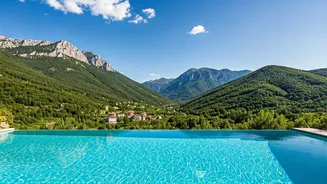
This shift didn’t happen in a vacuum. Ski resorts and mountain towns have been strategically investing for years to transform themselves into four-season destinations. They’ve built out networks of summer hiking and biking trails, developed high-end lodges that are just as appealing without snow, and cultivated world-class dining scenes and cultural festivals to draw visitors during the so-called “off-season.” This infrastructure makes the mountain escape easy and luxurious. You can spend the day on a strenuous hike and return to a gourmet meal and a comfortable bed. This combination of rugged nature and refined comfort is key to the modern mountain appeal. They have successfully sold the idea that you don't have to choose between adventure and amenities, making the mountains a compelling alternative to almost any other type of trip.