





The Experience Is the Destination
Welcome to the era of the 'destination festival,' where the event itself isn't just an activity on the itinerary—it *is* the itinerary. Instead of choosing a city and then looking for things to do, travelers are now securing coveted festival tickets first
and building their entire vacation around them. This shift is a key part of the broader 'experience economy,' where consumers, particularly Millennials and Gen Z, prioritize spending on memorable events over material goods. A weekend at Coachella, Bonnaroo, or even a more niche event like Telluride Bluegrass Festival isn't just about seeing bands; it's a full-sensory, immersive adventure. It offers a powerful combination of live music, community, art, and escapism that a standard city break or beach trip often can't match. People aren't just buying a concert ticket; they're investing in a core memory, a story they can tell for years.
More Than Just a Concert Ticket
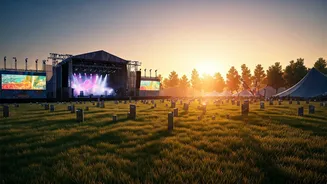
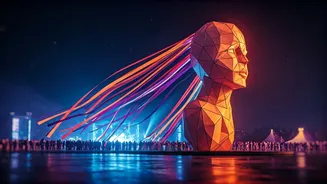
What elevates a festival from a local concert to a travel-worthy goal is the world-building. Major festivals have become temporary cities with their own distinct culture, aesthetic, and rhythm. Coachella, set against the dramatic backdrop of the California desert, is as much a fashion and art spectacle as it is a music event. The food offerings have gone from greasy food trucks to curated culinary experiences featuring world-renowned chefs. Lollapalooza transforms Chicago’s Grant Park into a sprawling urban party, blending music with the city’s iconic skyline. This holistic approach means the value isn't just in who is on stage. It's in the wandering, the discovery of a new artist on a side stage, the shared moments with strangers, and the feeling of being part of something massive and fleeting. The festival grounds become the theme park, the museum, and the resort all rolled into one.
The 'Grammable Getaway and Community
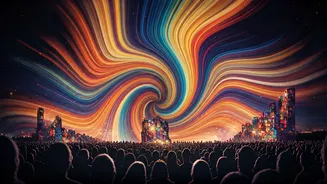
It’s impossible to ignore the influence of social media in fueling this trend. Festivals are tailor-made for the visual world of Instagram and TikTok. From the iconic ferris wheel at Coachella to the sprawling art installations at Bonnaroo, these events are filled with photogenic moments that create a powerful sense of FOMO (fear of missing out) online. Posting from a sought-after festival signals cultural currency and a life rich with experiences. But beyond the digital performance, there's a deeper, more human driver: the search for community. In an increasingly digital and isolated world, festivals offer a rare space for large-scale, in-person connection. Singing along with 50,000 other people creates a profound sense of belonging. For a few days, attendees are part of a tribe, united by a shared love for music and a desire to celebrate together. This communal energy is a powerful antidote to the atomization of modern life and a huge part of the appeal.
Planning Your Pilgrimage
Turning a festival into a travel goal is a serious logistical and financial commitment. These trips are the opposite of spontaneous. Securing tickets often feels like a competitive sport, with popular events selling out in minutes, months before the gates even open. The ticket price is just the starting point. Add in cross-country flights, inflated hotel or Airbnb prices, rental cars, and the high cost of food and drinks on-site, and a festival weekend can easily cost more than a week-long international trip. This requires dedicated saving and meticulous planning. Travelers become amateur project managers, coordinating with friends on ticket-buying strategies, accommodation booking, and daily itineraries. Yet, for millions, the cost and effort are justified. It's an investment in a peak experience, a cultural pilgrimage that punctuates the year and provides a focal point for their social and travel calendars.