







The Sterile Comfort of the Tasting Menu
Let’s be honest about the promise of international fine dining. You travel thousands of miles to a city pulsing with its own unique rhythm, only to step into a hushed, air-conditioned room that could be in New York, London, or Tokyo. The food might be exquisite,
a technical marvel of foams, gels, and reductions. But it’s often a performance of global luxury, not a conversation with the local culture. The ingredients may be sourced from the region, but the experience itself is frequently hermetically sealed, insulating you from the very place you came to explore. You’re observing the culture through a pane of glass, tasting a chef’s interpretation of it rather than the thing itself. It’s a beautiful, expensive, and ultimately predictable evening. It’s safe. But travel shouldn’t always be safe; it should be transformative.
Where the Real Flavor Lives
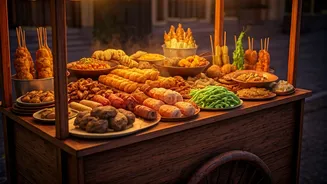
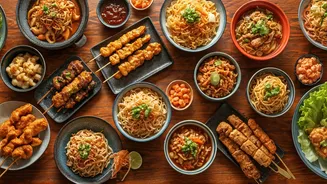
Now, picture this: You’re on a bustling street corner in Hanoi. The air is thick with the scent of grilling pork, star anise, and fresh herbs. You’re sitting on a tiny stool, knees practically touching the person next to you, as a woman who has made one dish her entire life—pho—ladles steaming, fragrant broth over rice noodles. This isn’t just a meal; it’s the city’s heartbeat. In Bangkok, the clang of a spatula in a searing hot wok is the local soundtrack as a vendor whips up a perfect plate of Pad Thai in 90 seconds. In Penang, Malaysia, skewers of chicken satay sizzle over glowing coals, the smoke carrying the promise of peanut sauce and perfectly charred meat. This is where food is life, not just art. It’s sustenance, community, and history all served in a bowl or on a stick. You’re not just a diner; you’re a participant in the daily life of the city.
The Delicious Economics of a Better Choice
The “value” in the headline isn't just about being cheap; it's about return on investment. A tasting menu for two at a top-tier restaurant in Singapore or Bangkok can easily run you $400-$600. For that same amount, you could eat like royalty on the street for your entire trip. Think about the trade-off. You can have one meticulously plated, three-hour meal, or you can have dozens of different experiences. You could have Hainanese chicken rice for lunch, char kway teow for a snack, and a bowl of rich laksa for dinner, all for less than the cost of a single appetizer at that fancy restaurant. Your travel dollar stretches exponentially further, buying you not just more food, but more variety, more adventure, and more stories to tell. It’s the difference between one polite memory and a week’s worth of vibrant, sensory snapshots.
Your Passport to the Plastic Stools
“But how do I find the good stuff? How do I know what’s safe?” This is where the street food tour comes in. These aren’t sterile tour bus affairs. They are expertly guided deep dives into the local food scene, often led by passionate residents who know the vendors, the history of each dish, and the unwritten rules of the night market. A great guide will not only take you to the stall that makes the city’s best Bánh mì but will also explain *why* it’s the best—the specific crust of the baguette, the family recipe for the pâté. These tours, whether on foot or by the back of a scooter, remove the guesswork and the anxiety. They provide context, safety, and a curated path to the most authentic flavors, turning a potentially overwhelming experience into a thrilling, delicious adventure.