



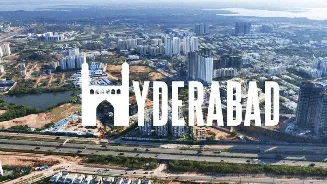
Hyderabad: A Royal Food Pilgrimage
While Hyderabad has leaned into its identity as a global tech hub, its soul remains simmered in its cuisine. June, with its rising humidity just before the monsoon breaks, is a fantastic time to dive into the city's legendary food scene. This isn't just about
grabbing a bite; it's a cultural event. The city is famous for its Hyderabadi Biryani, a fragrant, slow-cooked rice and meat dish with roots in the royal kitchens of the Nizams. But the real treasure is Haleem, a rich, pounded stew of meat, lentils, and wheat that’s especially popular in the evenings. Head to the bustling old city areas around Charminar or the vibrant food streets of Tolichowki, where generations-old eateries serve these delicacies to massive crowds. It’s a loud, delicious, and utterly unforgettable experience that connects you directly to the city’s culinary history.
Hyderabad: Art, History, and Monsoon Views
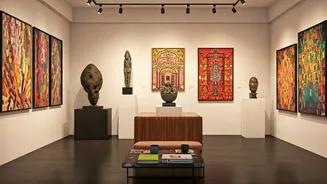
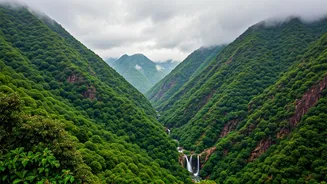
When the June heat peaks, do as the locals do: head indoors for a dose of culture. Hyderabad’s art scene is quietly thriving. You can visit the Kalakriti Art Gallery to see what contemporary Indian artists are creating or lose yourself in the Salar Jung Museum, which houses one of the world's largest one-man collections of antiques. For a taste of opulence, the Chowmahalla Palace, the former seat of the Asaf Jahi dynasty, is a stunning example of royal architecture and a cool respite from the heat. If a break in the weather provides an overcast day, a short trip to Golconda Fort offers panoramic views of the city. The arrival of the first rains often blankets the landscape in a fresh green, making the ancient stones feel even more atmospheric.
Jaipur: The Pink City Turns Green
Jaipur, Rajasthan's famed "Pink City," takes on a different hue in June. As the monsoon begins its slow advance, the arid landscape surrounding the city gets a surprising blush of green, and the pre-summer dust finally settles. This is the perfect time to explore the city's majestic forts without the scorching, triple-digit heat of April and May. A visit to Amer Fort, with its intricate mirror work and sprawling courtyards, feels less like a tourist marathon and more like a genuine discovery. The city and surrounding regions also often celebrate the season with festivals dedicated to the monsoon or the king of fruits. Keep an eye out for local listings for a Mango Festival, where you can sample dozens of varieties, from the sweet Langra to the tangy Dasheri.
Jaipur: Get Hands-On with Local Crafts
Instead of just buying souvenirs, why not make one? Jaipur is a global center for textiles and crafts, and a warm June afternoon is a great time to take an indoor workshop. Several studios and social enterprises offer half-day classes in block printing, a traditional Rajasthani art form that has been perfected over centuries. In artisan villages like Bagru, just outside the city, you can learn directly from master craftspeople. You’ll get to choose your own hand-carved wooden blocks, mix natural dyes, and print your own scarf or piece of fabric. It’s a deeply satisfying and immersive way to connect with the local culture and create a meaningful keepsake that goes far beyond a simple transaction.
Jaipur: Culture After the Sun Sets
Jaipur's cultural life doesn't stop when the monuments close. For a modern take on Indian arts, check the schedule at Jawahar Kala Kendra (JKK). This stunning architectural space, designed by the famed Indian architect Charles Correa, hosts a rotating lineup of plays, art exhibitions, film screenings, and musical performances. It’s a hub for the city’s creative community and a fantastic place to see what’s new and exciting in the regional arts scene. Grabbing a filter coffee at its iconic Indian Coffee House is a classic Jaipur experience in itself. It’s a relaxed and enriching way to spend an evening, especially on a rainy June night, and offers a glimpse into the city's contemporary pulse.