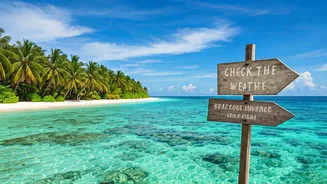



The Allure of an Unspoiled Paradise
For American travelers seeking a truly off-the-beaten-path alternative to more crowded destinations like the Maldives or the Caribbean, Lakshadweep is a siren's call. This archipelago, a union territory of India, consists of 36 islands, though only a handful
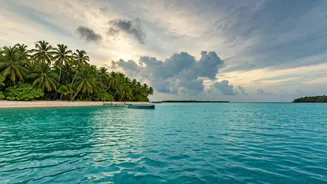
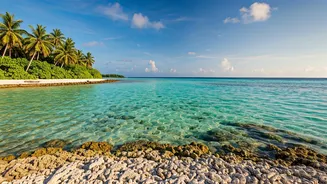
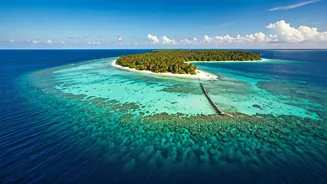
are open to tourists. Its main draw is its stunning natural beauty and relative isolation. The islands are renowned for their vibrant coral reefs, making them a world-class destination for scuba diving and snorkeling. Unlike many commercialized beach destinations, Lakshadweep has maintained a more rustic and ecologically-focused charm. Access is controlled, preserving the delicate marine ecosystem and ensuring the beaches remain uncrowded. It’s the kind of place you see in a travel documentary—remote, breathtaking, and seemingly untouched by time.
Understanding the Southwest Monsoon
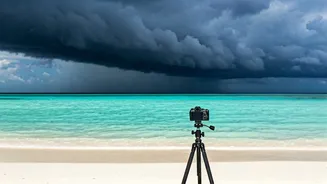
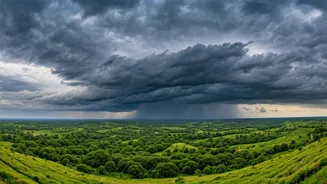
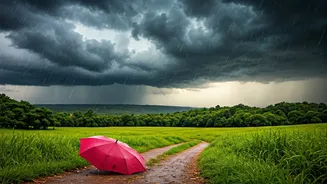
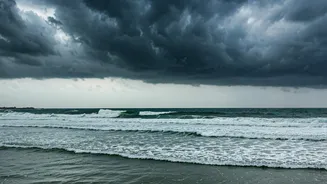
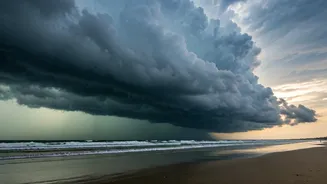
The dream of Lakshadweep, however, comes with a massive asterisk: the Southwest Monsoon. For many Americans, a “monsoon” might just sound like a heavy rainstorm. In South Asia, it’s a total climatic transformation. From roughly late May through September, the prevailing wind patterns over the Arabian Sea dramatically shift. Instead of gentle breezes, the region is battered by powerful, moisture-laden winds from the southwest. This isn't just a few rainy afternoons; it's a months-long season of torrential downpours, high-velocity winds, and, most critically for an island chain, extremely rough and treacherous seas. This seasonal weather system is the engine that powers the region's climate, and it effectively shuts down normal life and travel in Lakshadweep.
Paradise on Lockdown: Travel Realities
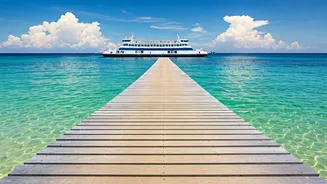
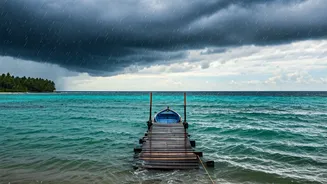
Visiting during the monsoon isn't just inconvenient; it's often impossible and always risky. The primary ways to reach the islands are by ship from Kochi on the Indian mainland or by a small propeller plane to the airstrip on Agatti Island. During the monsoon, both become unreliable or cease altogether. The seas are far too violent for the passenger ships, which are the lifeline for locals and tourists alike, leading to a near-total suspension of services. Flights are frequently canceled or dangerously turbulent due to high winds and poor visibility. Even if you manage to land on Agatti, inter-island transfers via boat or helicopter become impossible. You could find yourself stranded on one island for days or weeks. Furthermore, all water-based activities—the very reason most people visit—are shut down. Diving, snorkeling, and even swimming are forbidden due to the powerful currents and churning waves.
The Golden Window for Visitors
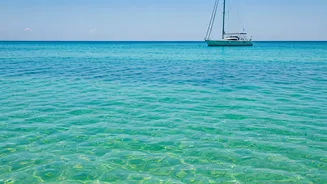
The key to experiencing Lakshadweep is timing. The ideal travel window is from October to mid-May. After the monsoon subsides, the climate transforms into a tropical paradise. The skies clear, the humidity drops, and the sea becomes calm and invitingly clear. This is the season when the islands truly shine. The water visibility is perfect for diving among the coral gardens, swimming with turtles, and exploring the rich marine life. The weather is consistently sunny and pleasant, perfect for lounging on the beach or exploring the small villages. During this period, transportation runs regularly, resorts are fully operational, and the islands are accessible and safe. Planning your trip within this 'golden window' is the single most important factor in having a successful and enjoyable visit.
Is an Off-Season Trip Ever a Good Idea?
For the average tourist, the answer is a firm no. While you might see some resorts offering steep off-season discounts, the trade-offs are immense. You aren't just risking a few rained-out beach days; you're risking your entire itinerary and potentially your safety. The risk of being stranded, the complete lack of activities, and the rough, unpleasant weather make it a poor choice for a vacation. The monsoon season is a time for the islands to rejuvenate and for locals to hunker down. It's a powerful and essential part of the natural cycle, but it's one that travelers are best advised to observe from afar. For a destination that requires significant effort to reach, it makes little sense to arrive when it's at its most inaccessible and inhospitable.