

Choose Your Champion: True vs. 'False' Jasmine
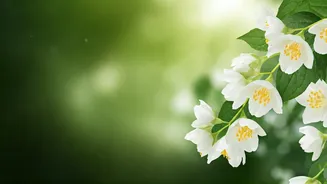
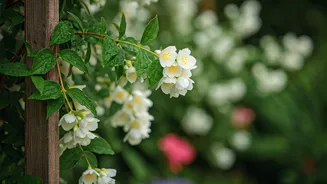
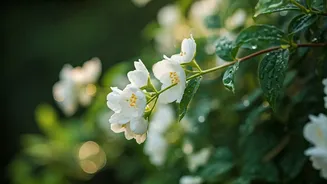
Before you buy, it’s crucial to know that not all “jasmines” are the same. The two most popular types for containers are quite different. True jasmines, from the *Jasminum* genus, include varieties like Common White Jasmine (*Jasminum officinale*). These
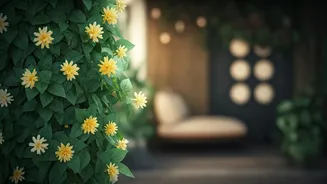
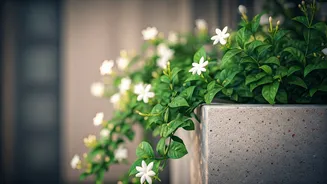
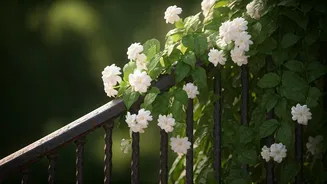
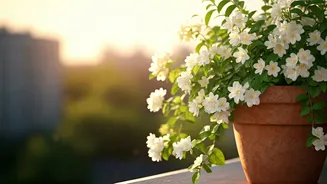
are famed for their intensely sweet, classic perfume, especially in the evening. They can be deciduous, losing their leaves in winter. Then there’s the powerhouse many Americans know and love: Star Jasmine (*Trachelospermum jasminoides*). Technically not a true jasmine, this evergreen vine is arguably better for many balcony gardeners. It’s hardier, its glossy green leaves look great year-round, and its star-shaped white flowers produce a heavenly scent that’s slightly less overpowering than some true jasmines. For most U.S. climates and container life, Star Jasmine is a reliable, beautiful, and fragrant winner.
Give It a Good Home
Your jasmine’s success starts with its pot. Don't start too small. Choose a container that’s at least 18-24 inches in diameter and just as deep. This gives the roots room to grow and prevents the plant from becoming root-bound in a single season. The single most important feature is drainage. Ensure your pot has several large drainage holes at the bottom. Jasmine, like most container plants, detests “wet feet,” which can lead to root rot. Fill your container with a high-quality potting mix, not garden soil. Bagged potting mixes are formulated to be lightweight and provide excellent drainage and aeration, which is exactly what container-bound roots need to thrive. Mixing in a handful of compost can give your plant an extra boost of nutrients from the start.
The Right Spot and a Good Drink
Jasmine craves sunlight to produce abundant flowers. Find a spot on your balcony that receives at least six hours of direct sun per day. In scorching hot climates (think Arizona or Texas summers), a location with morning sun and some afternoon shade can prevent the leaves from getting scorched. The more sun it gets, the more blooms—and fragrance—you'll be rewarded with. Watering is the most hands-on part of container gardening. Check the soil every few days by sticking your finger about two inches deep. If it feels dry, it’s time to water. Water thoroughly until you see it running out of the drainage holes. This ensures the entire root ball is hydrated. Allow the top layer of soil to dry out between waterings. Containers dry out much faster than garden beds, so be especially vigilant during hot, windy weather.
Train and Trim for More Blooms
Most jasmines are climbers, and they need your help to look their best. Install a small trellis in the pot or position it against a balcony railing it can climb. Gently weave the young, flexible stems through the support structure to guide its growth. This not only looks tidy but also improves air circulation and sun exposure for the leaves. Pruning is key to keeping your jasmine full and floriferous. The best time to prune is right after it finishes its main blooming cycle. For Star Jasmine, this is typically in late spring or early summer. Trimming it back encourages new growth, which is where next year’s flowers will form. You can also give it a light trim anytime during the growing season to maintain its shape and keep it from overwhelming your balcony space.