






1. Protein Becomes the Main Event
The most significant shift is the prioritization of protein—and lots of it. The old standard of a single egg or a splash of milk in cereal is being replaced by meals packing 30, 40, or even 50 grams of protein. Why the change? Fitness enthusiasts and their
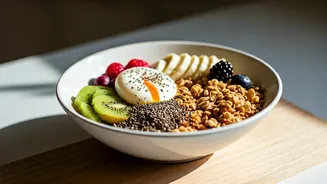
nutrition coaches understand that a protein-heavy breakfast accomplishes several key goals. First, it promotes satiety, keeping you fuller for longer and reducing the likelihood of mid-morning cravings for less healthy snacks. Second, for those who work out in the morning, it provides the essential amino acids needed to kick-start muscle repair and growth. This has led to the rise of protein-packed staples like Greek yogurt bowls mixed with a scoop of protein powder, multi-egg scrambles loaded with lean meat, and the viral trend of blending cottage cheese into smoothies or pancake batter for a creamy, low-fat protein boost.
2. Savory Bowls Win Out Over Sweet
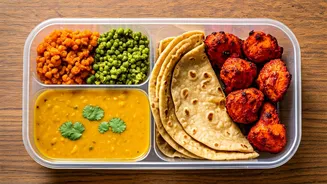
There’s a clear migration away from the sugar-laden breakfasts of yesteryear. High-sugar cereals, pastries, and syrupy waffles are being sidelined in favor of savory, nutrient-dense options. This isn't just about avoiding a sugar crash; it's about building a more balanced plate. Think of it as treating breakfast like a mini-lunch or dinner. Popular choices include avocado toast on whole-grain bread topped with two poached eggs and a sprinkle of chili flakes; breakfast burritos stuffed with black beans, salsa, scrambled tofu, and lean turkey; or even savory oatmeal, cooked with broth instead of water and topped with a fried egg, sautéed spinach, and mushrooms. This approach delivers a better balance of protein, healthy fats, and complex carbohydrates, providing sustained energy rather than a brief sugar spike.
3. Functional Add-Ins Are Everywhere
The “upgrade” isn’t just about the main ingredients; it’s also about the powerful extras being sprinkled, stirred, and blended in. These are functional ingredients chosen for their specific nutritional benefits. Chia seeds and ground flaxseed are added for their fiber and omega-3 fatty acids. A spoonful of turmeric might be stirred into a scramble for its anti-inflammatory properties. Collagen peptides, believed to support joint and skin health, are being dissolved into coffee or smoothies. Green powders containing spirulina, chlorella, or moringa are blended into drinks for a vitamin and mineral kick. This “food as medicine” approach turns a simple breakfast into a potent nutritional cocktail designed to optimize health from the inside out.
4. Carbohydrates Get Smarter, Not Scarier
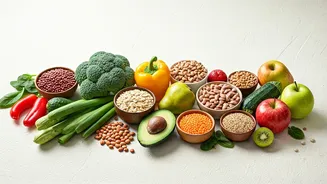
While low-carb diets have had their moments, the modern fitness-oriented breakfast doesn’t fear carbohydrates—it just chooses them more wisely. The goal is to select complex, slow-digesting carbs that provide lasting energy for workouts and daily life. Gone are the days of white toast and sugary granola. In their place are rolled oats, quinoa bowls, and slices of sweet potato. A bowl of oatmeal might be paired with berries and nuts for fiber and healthy fats, slowing digestion and preventing a sharp insulin spike. A slice of dense, seeded sourdough bread offers more fiber and gut-friendly benefits than its processed white counterpart. These smart carb choices ensure that energy levels remain stable, powering both mental focus and physical performance throughout the morning.
5. Timing Becomes a Key Tactic
Finally, *when* you eat is becoming as important as *what* you eat. The concept of nutrient timing is central to this upgraded breakfast philosophy, especially for those with dedicated training schedules. For early morning gym-goers, a small, easily digestible snack of carbs and a little protein might be consumed 30-60 minutes before a workout—like a banana with a spoonful of peanut butter. The main, larger breakfast is then consumed post-workout, rich in protein and carbs to replenish glycogen stores and maximize muscle recovery. For those who exercise later in the day, the high-protein breakfast serves to fuel their morning activities and set a metabolic baseline, ensuring they are properly nourished and energized long before they even think about hitting the weights.