
So, What Is Makhana?
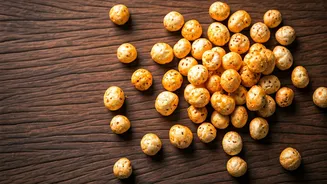
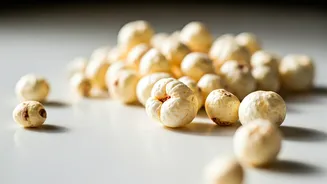
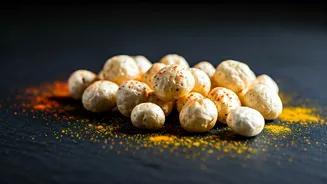
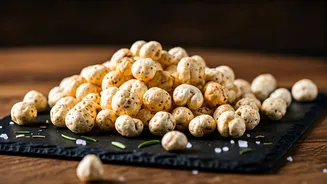
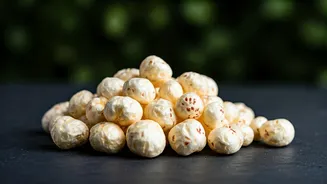
Often called fox nuts or gorgon nuts, makhana are the puffed seeds of the Euryale ferox plant, a species of water lily. Harvested from the swamps and ponds of India and other parts of Asia for centuries, these seeds undergo a laborious process of drying
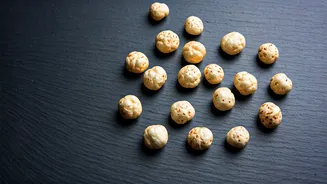
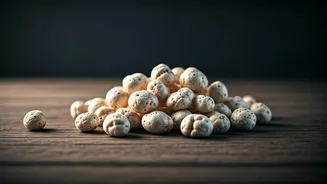
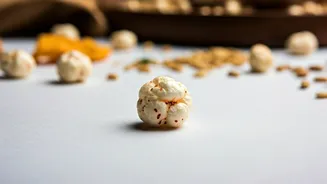
and roasting at high heat until they pop, much like corn kernels. The result is an irregularly shaped, styrofoam-light puff with a neutral, slightly earthy flavor. Unlike popcorn, which has a pesky hull and a distinct corn taste, makhana is hull-less, allergen-friendly (no corn, nuts, or gluten), and melts in your mouth. Its blank-canvas nature is its greatest strength, making it a perfect vehicle for a wide array of flavors, from savory to sweet.
A Smarter Snacking Choice
Part of makhana’s rising popularity is its impressive nutritional resume. It's naturally low in calories, fat, and sodium, making it a guilt-free choice for mindless munching. But it's not just about what it lacks. Makhana is a good source of plant-based protein and fiber, helping you feel full and satisfied. It's also celebrated in Ayurvedic traditions for being rich in minerals like magnesium and potassium, which are essential for muscle function and heart health. While it's not a magic bullet, swapping a bowl of potato chips for a bowl of seasoned makhana is an undeniably smart upgrade for anyone looking to add more wholesome choices to their diet without sacrificing crunch or flavor.
The Classic: Simply Roasted
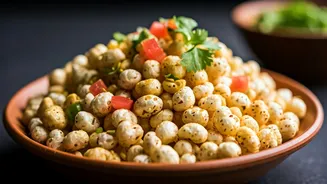
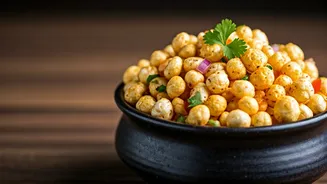
The best way to get acquainted with makhana is in its purest, most popular form: roasted. This is where you, the home cook, get to play. Start by heating a tablespoon of ghee, coconut oil, or olive oil in a wide pan over medium heat. Toss in a few cups of raw makhana and toast, stirring frequently, until they become crisp and lightly golden, which usually takes about 5 to 7 minutes. The key is to know when they're done—bite into one. If it’s still chewy, keep toasting. Once they’re perfectly crunchy, turn off the heat and season immediately. A sprinkle of sea salt is classic, but this is where the fun begins. Try turmeric and black pepper, smoked paprika and garlic powder, or even a simple dusting of nutritional yeast for a cheesy, vegan-friendly flavor.
Beyond the Snack Bowl
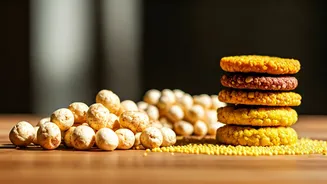
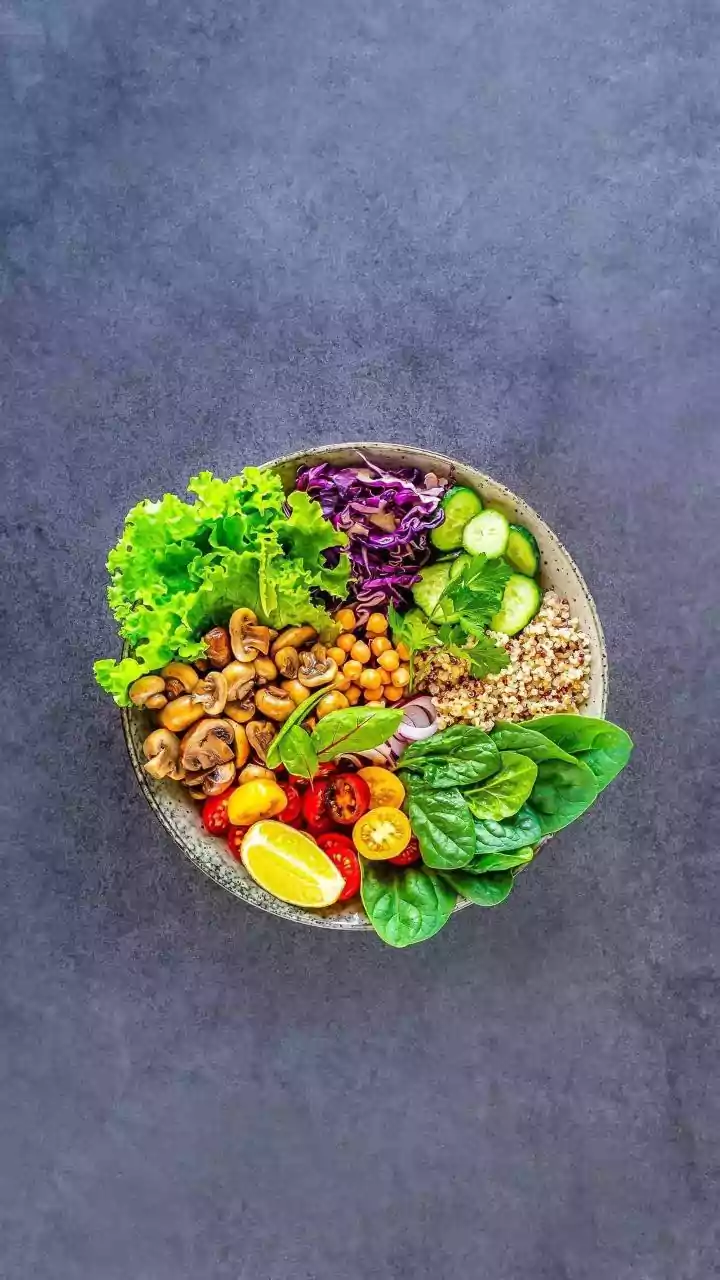
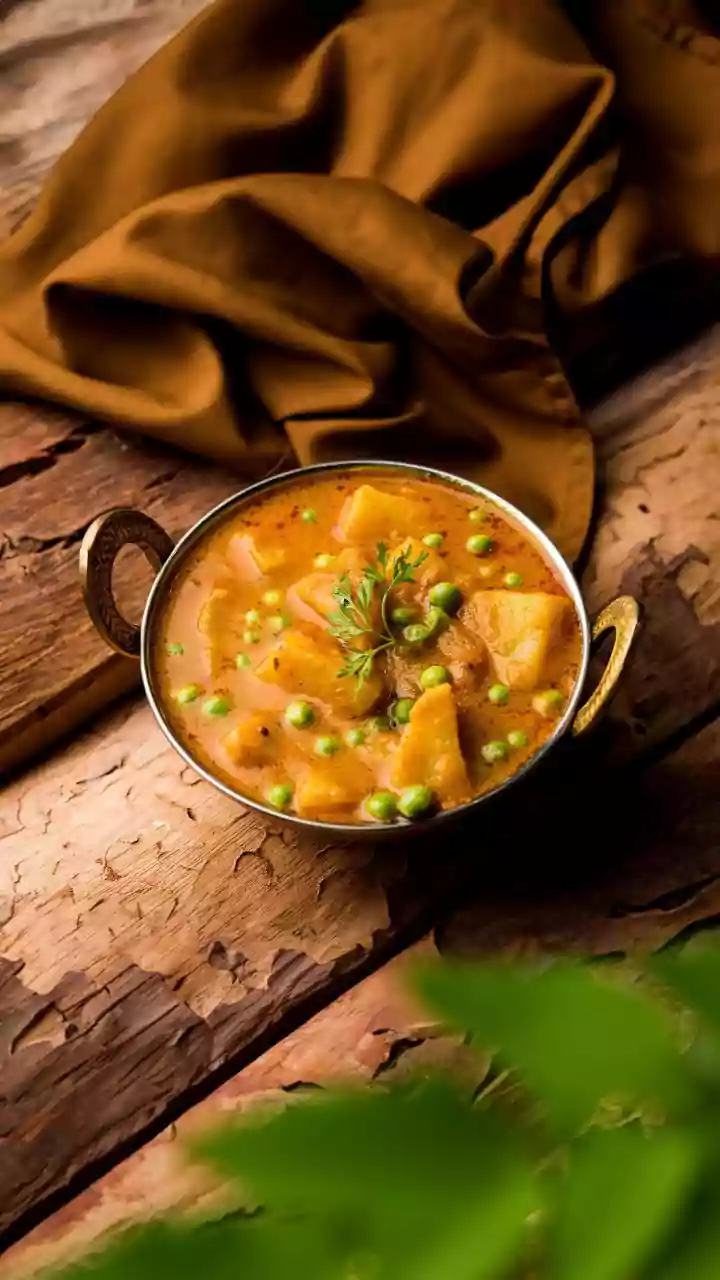
While it shines as a standalone snack, makhana’s “serious range” is revealed when you start thinking of it as an ingredient. Its crunchy texture and ability to absorb flavor make it incredibly versatile. Crush lightly roasted makhana and use it as a gluten-free breading for chicken or fish. Toss whole roasted puffs into a green salad in place of croutons for a lighter, more nutritious crunch. Its ability to soak up liquid without immediately turning to mush makes it a fascinating addition to curries and vegetable stews, where it adds body and a unique, chewy-tender texture similar to dumplings. You can also mix it into homemade trail mixes with nuts and dried fruit for a boost of texture and protein.
Don't Forget Dessert
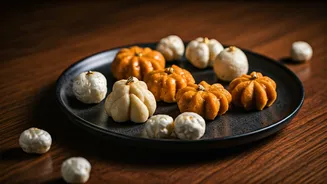
Just when you think you have it figured out, makhana reveals its sweet side. One of the most beloved traditional preparations is Makhana Kheer, a creamy Indian pudding where the seeds are simmered in milk with sugar, cardamom, and saffron until they soften. It's a comforting, luxurious dessert. For a more modern and snackable treat, try making caramel makhana. Prepare a simple caramel with butter and sugar, toss in the roasted makhana until fully coated, and then spread them on a baking sheet to cool and harden. The result is a crunchy, sweet-and-salty confection that rivals the best kettle corn. This sweet-savory duality is what truly cements makhana's status as a pantry workhorse.