

The Initial Plunge
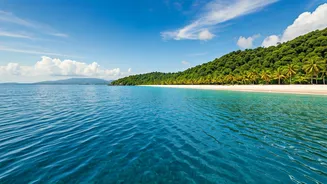
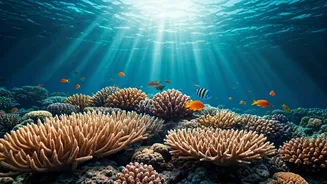
The first ten feet are a sensory recalibration. Your body adjusts to the gentle pressure, the water a perfect, warm embrace. Sunlight filters down in shimmering, dancing shafts, illuminating a universe of blue. Unlike the often-murky waters of more trodden
dive destinations, the visibility here, off the coast of islands like Havelock (Swaraj Dweep), can be astonishing—upwards of 80 feet on a good day. The effect is dizzying. You're not just looking at an aquarium; you are suspended in one. The surface world, with its emails and obligations, feels a million miles away. All that exists is the rhythmic sound of your own breathing, a slow, steady inhale and a bubbly exhale that becomes the soundtrack to this new reality.
A Different Kind of Quiet
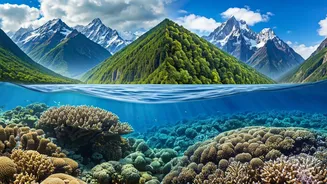
Dropping further, to 60 feet, the light shifts from bright white to a rich, saturated azure. This is where the Andamans’ first layer of “deeper” becomes apparent. It’s a quietude that’s not empty but full. Full of life that has been allowed to flourish in relative isolation. The islands are a protected territory of India, geographically closer to Myanmar and Thailand, but culturally and ecologically a world apart. Decades of restricted access have inadvertently created a sanctuary. You glide over massive gardens of plate coral, intricate brain coral formations, and delicate sea fans that wave slowly in the current. There’s a distinct lack of coral bleaching and human-caused damage that plagues so many other global reefs. The ecosystem feels robust, ancient, and profoundly alive.
Encounters in the Blue
Then come the residents. A school of yellowfin tuna, sleek and powerful, might flash past in the periphery. A majestic hawksbill turtle, old and unbothered, could be seen munching on sponges. At dive sites like Johnny’s Gorge or The Wall, the depth becomes a stage for grander appearances. A giant Napoleon wrasse, with its cartoonishly large lips and intricate facial patterns, might emerge from the blue to inspect you with a curious eye. Look down into the darker expanse, and you might spot the unmistakable shadow of a manta ray, its wings spanning 15 feet as it soars effortlessly through the water. These aren’t fleeting glimpses; they are interactions. The animals here are less conditioned by swarms of tourists, making encounters feel more genuine, more primal. You are a visitor in their sovereign domain, and the feeling is humbling.
The Weight of Remoteness
The second, more profound sense of depth comes from knowing where you are. The Andaman and Nicobar Islands are a string of over 500 islands, most of them uninhabited. They carry a complex history, once known as a brutal penal colony under British rule. Today, that very isolation is their greatest asset. Floating weightlessly a hundred feet down, you are physically and mentally detached from the mainland. There are no sprawling resorts onshore, no jet skis buzzing overhead. The experience is stripped back to its purest elements: water, life, and breath. This isn't just another dive trip; it's an expedition to one of the planet's last remaining underwater frontiers. That context adds a historical and emotional weight to the dive, making the experience feel richer and more significant.