





Embracing America's 'Monsoon' Seasons
While the term 'monsoon' often brings to mind Southeast Asia, the U.S. has its own distinct rainy seasons. In the Desert Southwest, the North American Monsoon brings dramatic, much-needed summer thunderstorms. In the Southeast and along the Gulf Coast,
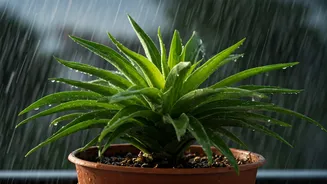
summer is defined by a pattern of hot, humid days punctuated by intense, almost daily downpours. These periods of heavy rain and high humidity create a unique microclimate. For the balcony gardener, this isn't a problem to be solved; it's an environment to be harnessed. Instead of seeing a week of forecasted rain as a threat, think of it as free, high-quality irrigation and a natural humidity boost that many popular plants adore.
The Upside: Why Rainwater Is Liquid Gold
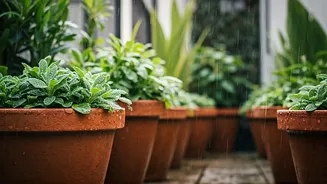
Not all water is created equal. The rainwater that drenches your pots during a summer storm is significantly better for your plants than most tap water. It's naturally soft, slightly acidic, and free of the chlorine and other chemicals used in municipal water treatment. More importantly, rainwater contains dissolved nitrogen from the atmosphere—a key nutrient that acts as a gentle, natural fertilizer, encouraging lush, green growth. This period of intense rain also means you can largely forget about your daily watering duties. The high humidity reduces moisture loss from leaves, allowing plants like ferns and tropicals to truly thrive, unfurling new leaves and looking more vibrant than ever.
The Golden Rule: Drainage Is Not Negotiable
Here's the single most important secret to rainy season success: you cannot let your plants sit in water. Overwatering is the number one killer of container plants, and a week of storms can easily lead to root rot. Your mission is to ensure water can escape your pots as quickly as it arrives. Start by choosing containers with multiple, large drainage holes. If a decorative pot has only one tiny hole, either drill more or use it as a cachepot (a decorative outer pot) with a functional nursery pot inside. Elevate your containers using 'pot feet' or simple bricks. This small air gap underneath prevents the drainage holes from getting blocked and allows water to flow freely away, keeping the roots healthy and happy even during a deluge.
Creating the Perfect Storm-Proof Soil
Standard potting soil can become heavy and waterlogged during periods of heavy rain. To create a more resilient foundation, amend your mix to improve its drainage. Before planting, combine your regular potting soil with materials that create air pockets and facilitate water movement. Perlite (the little white volcanic rocks) is an excellent, lightweight option. You can also mix in orchid bark or coco coir chunks. A good ratio to aim for is roughly two parts potting mix to one part perlite or other amendment. This creates a lighter, fluffier medium that allows plant roots to breathe and prevents the soil from compacting into a dense, soggy mud that suffocates them.
Best Plants for Your Rainy Balcony
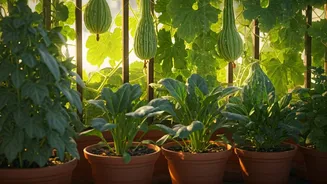
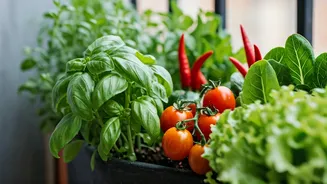
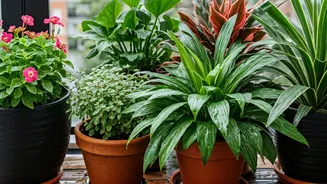
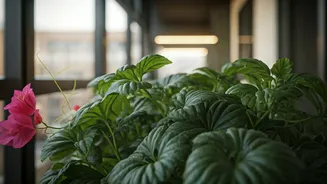
Certain plants don't just tolerate the rainy season—they flourish in it. This is the time to embrace vibrant, moisture-loving foliage. Caladiums and coleus offer spectacular color and get bigger and bolder with every storm. Tropical plants like elephant ears (Alocasia and Colocasia) will explode with growth in the high humidity. Many ferns, such as the Boston or maidenhair fern, will look their absolute best. It’s also a perfect time for herbs that enjoy consistent moisture, like basil and mint, which will grow vigorously. If you have a sunny spot, even water-loving edibles like taro or certain varieties of ginger can be grown successfully in large, well-draining pots.