


A World Apart on the Water
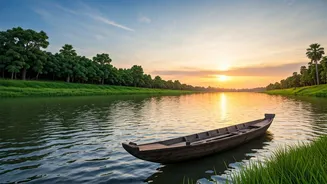
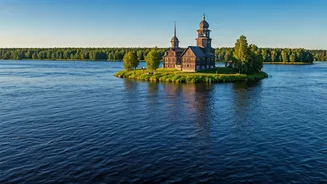
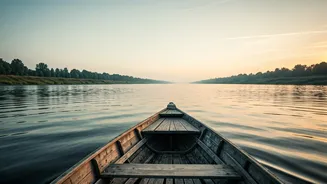
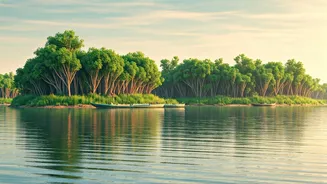
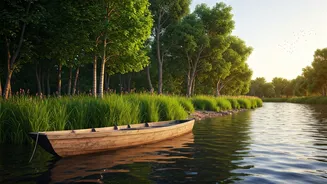
Majuli is not a destination you simply arrive at; it's a place you must journey to. Located in the middle of the mighty Brahmaputra River, it holds the title of the world's largest river island. Reaching it requires a commitment—a drive to a dusty port,
followed by a slow, rumbling ferry ride alongside locals, their motorcycles, and a few chickens. This deliberate separation from the mainland is the first filter. There are no bridges, no airports, no rush. For the slow traveler, who values the journey as much as the destination, this enforced pause is not an inconvenience—it's the entire point. The island immediately forces you to downshift, to surrender to a pace dictated by nature and a two-ferry-a-day schedule. This isolation has preserved a way of life that feels like a living museum, making it an antidote to the over-touristed, hyper-connected world.
The Heart of a Living Culture
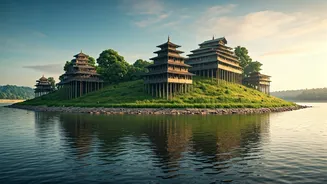
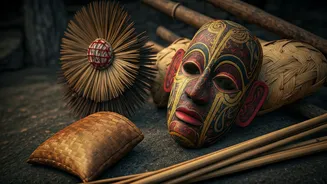
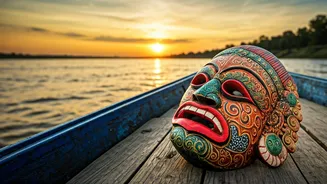
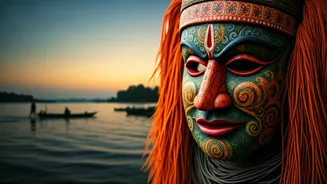
The true soul of Majuli resides in its ‘Sattras’—unique monastic institutions established in the 15th century to propagate the Neo-Vaishnavite philosophy. But these are not silent, empty relics. They are vibrant, living centers of art, culture, and spirituality. Young boys are sent here to be trained as monks, learning ancient forms of devotional dance (Sattriya), music (borgeet), and drama. Visitors can wander into a Sattra and find themselves witnessing a rehearsal, hearing the rhythmic clap of cymbals, or watching artisans painstakingly craft the intricate masks used in religious performances. This isn't a show for tourists; it's the heartbeat of the island. Slow travelers, who seek genuine cultural immersion over staged experiences, find it here. They can stay for days, observing the quiet discipline of monastic life and engaging with a culture that is practiced, not just preserved.
Life on Village Time
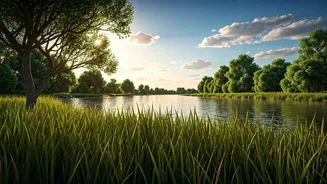
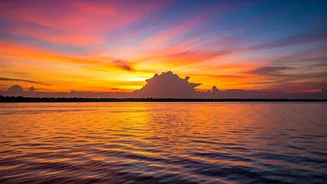
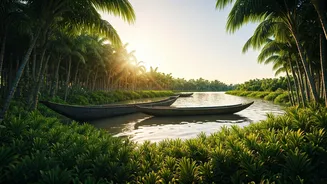
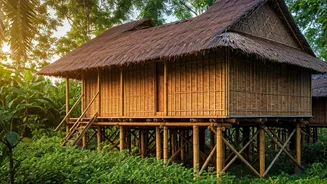
Beyond the Sattras, life on Majuli unfolds at a gentle, agrarian rhythm. The island is home to various communities, most notably the Mishing tribe, who live in picturesque stilt houses to protect themselves from the river's annual floods. Renting a bicycle or a scooter is the best way to explore the island's narrow, bamboo-lined paths. You'll pass emerald green rice paddies, fishermen casting their nets in tranquil ponds (beels), and women weaving intricate patterns on handlooms under their homes. There are no tourist traps, no aggressive hawkers, and no prescribed itinerary. A day might be spent simply cycling until you get lost, being invited in for a cup of tea, or watching the sunset paint the wide expanse of the Brahmaputra. This unstructured, serendipitous style of exploration is the very definition of slow travel—letting the day unfold organically and connecting with people in a meaningful, unhurried way.
The Fragile, Disappearing Paradise
Part of the quiet obsession with Majuli is tinged with a sense of poignancy. The island is in a constant battle for survival. Every year, the powerful currents of the Brahmaputra erode huge chunks of its landmass. Scientists predict that if the erosion continues at its current rate, Majuli could disappear within a few decades. This environmental precarity adds a layer of depth to any visit. It’s not just a beautiful place; it’s a fragile one. This reality resonates deeply with the conscious traveler, who is often more attuned to the environmental and social impacts of their presence. Visiting Majuli becomes more than a vacation; it feels like bearing witness to a unique culture and ecosystem before it's gone. The fleeting nature of the island encourages a more mindful, appreciative form of travel, where every moment feels precious because it is.