


The Rise of Outdoor Hospitality
For generations, a trip into nature was a test of endurance. It meant sacrificing creature comforts for stunning vistas and a sense of rugged self-sufficiency. You packed what you could carry, slept on the ground, and considered a lukewarm camp-stove
coffee a luxury. But a major cultural shift is underway. Americans are seeking the mental and physical benefits of the outdoors more than ever, but they’re increasingly unwilling to part with the comforts of modern life. This has fueled the explosion of 'outdoor hospitality'—a booming industry built on a simple premise: you can have your pine-scented air and your high-thread-count sheets, too. This isn’t about laziness; it’s about accessibility. By removing the barriers of discomfort and specialized survival skills, the great outdoors is opening up to a much broader audience who wants rejuvenation, not a simulation of a wilderness survival show.
Glamping Goes Mainstream
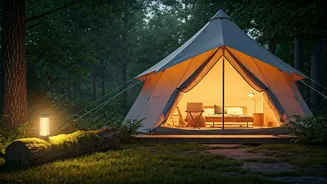
The most visible symbol of this trend is 'glamping,' or glamorous camping. What started as a niche concept has become a dominant force in travel. We’re not just talking about a slightly bigger tent. Today’s premier glamping sites offer safari-style canvas tents with hardwood floors, king-sized beds, private decks, and ensuite bathrooms with running hot water. Companies like Under Canvas and AutoCamp have built entire brands around providing hotel-level amenities in breathtaking natural settings like national parks. Guests can wake up to views of Zion's cliffs or the Grand Canyon, then enjoy a latte from an on-site barista before a guided yoga session. The experience is curated from start to finish, removing the guesswork and labor of a traditional camping trip while maximizing the immersion in nature. It’s the best of both worlds: a front-row seat to the wilderness with none of the hassle.
Beyond the Canvas Tent
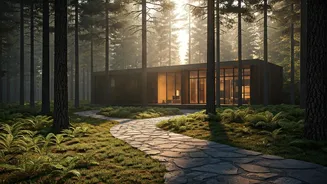
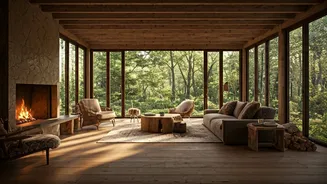
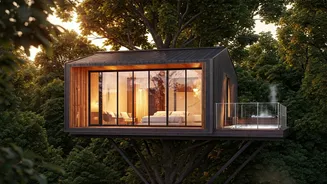
The comfort-first approach extends far beyond glamping. The market is now filled with a diverse range of stylish, nature-adjacent accommodations. Think architect-designed A-frame cabins with floor-to-ceiling windows, secluded yurts with private hot tubs, and meticulously restored Airstream trailers that offer a dose of vintage cool with modern plumbing. Services like Getaway have popularized the 'tiny cabin' rental, placing minimalist, well-equipped boxes in wooded areas just outside major cities for easy weekend escapes. These options cater to travelers who desire solitude and scenery without the commitment of owning or maintaining camping gear. They provide a turnkey solution for disconnecting from the urban grind while staying plugged into essential comforts.
How Better Gear Lowered the Bar
Even for those who still prefer a more traditional approach, 'roughing it' has become significantly less rough. A revolution in outdoor gear has made comfort and convenience more attainable than ever. Bulky, unforgiving sleeping bags have been replaced by lightweight, ultra-warm synthetic and down models. Air mattresses have evolved from leaky, back-breaking inflatables to plush, multi-chambered sleeping pads that rival a home mattress. Portable power stations, charged by solar panels, can run everything from laptops and phones to string lights and even small refrigerators. High-efficiency, jet-style camp stoves can boil water in under two minutes, transforming campsite cooking from a chore into a joy. This wave of user-friendly technology means that even a DIY camping trip can be a comfortable, restorative experience, lowering the barrier to entry for newcomers.