





1. Regrow Your Groceries on the Windowsill
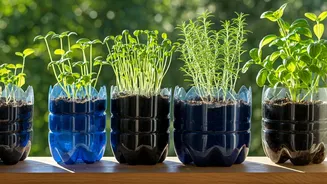
Some of the most common vegetables you buy can be regrown with nothing more than a shallow dish of water and a sunny spot. It’s the ultimate sustainable grocery hack. The easiest place to start is with scallions (green onions). Simply place the white
root ends in a small glass with an inch of water, and within days, you’ll see new green shoots emerge. The same trick works for romaine lettuce, celery, and leeks. Just submerge the root base in water, change the water every couple of days to keep it fresh, and watch your groceries regenerate. While you won’t get a full-sized head of lettuce, you’ll have a steady supply of fresh leaves for salads and sandwiches all summer long.
2. Brew a Rich, Flavorful “Scrap Stock”
Every time you chop an onion, carrot, or stalk of celery, you’re left with peels, ends, and tops. Instead of sending them to the compost bin, start a “stock bag” in your freezer. Throughout the week, add clean vegetable scraps—onion skins (they add beautiful color!), carrot peels, celery ends, mushroom stems, parsley stems, and corn cobs. Avoid cruciferous vegetables like broccoli or cabbage, which can make the stock bitter. Once your bag is full, simply empty it into a large pot, cover with water, and simmer for at least an hour. Strain the liquid, and you’ll have a deeply flavorful, homemade vegetable broth for a fraction of the cost of store-bought versions. It’s perfect for soups, risottos, or cooking grains.
3. Make a Zesty All-Purpose Cleaner
Those lemon, lime, and orange peels from your summer cocktails and salad dressings possess powerful cleaning properties and a fantastic scent. Instead of throwing them out, you can create a non-toxic, all-purpose cleaner. Pack the citrus peels into a large glass jar and pour plain white vinegar over them until they are completely submerged. Seal the jar and let it sit in a cool, dark place for about two weeks. The vinegar will infuse with the citrus oils. After two weeks, strain out the peels, and dilute the infused vinegar with an equal amount of water in a spray bottle. You now have a fragrant, effective cleaner for countertops, sinks, and floors—without any harsh chemicals.
4. Craft a Summer Simmer Pot
Want your home to smell like a summer garden without lighting a candle? A simmer pot is your answer. It’s a natural way to fragrance your home using—you guessed it—kitchen scraps. In a small saucepan, combine water with leftover fruit peels (apple, orange, lemon), a few cinnamon sticks, and the stems from fresh herbs like rosemary or mint. Bring the mixture to a boil, then reduce it to a low simmer. The gentle heat will release the aromatic oils, filling your kitchen and living spaces with a warm, inviting, and completely natural scent. It’s a perfect way to use up scraps after baking a pie or making fresh-squeezed lemonade.
5. Give Your Garden a Nutrient Boost
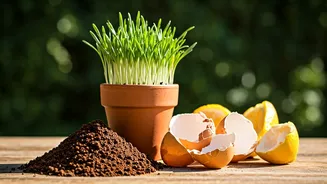
Your garden can benefit directly from your kitchen waste. Crushed eggshells are a fantastic source of calcium for your soil, which can help prevent blossom-end rot in plants like tomatoes and peppers. Just rinse them, let them dry completely, and crush them into a fine powder before sprinkling them around the base of your plants. Used coffee grounds are another garden powerhouse. They are rich in nitrogen and can be lightly worked into the soil around acid-loving plants like blueberries, hydrangeas, and azaleas. Even banana peels can be chopped up and buried near rose bushes to provide potassium. It’s a closed-loop system where your food helps grow more food.